







06 November, 2026
Rangehood Height: How High to Mount One Above Your Cooktop
Get rangehood height right for gas and electric cooktops. Our guide covers legal clearances, wall safety and ducting for a safer kitchen.

Ever cooked hunched over the stove because the rangehood sits so low it threatens to clip your head? Or perhaps yours is fixed so high it behaves like a ceiling fan instead, and steam and grease just float past and land in the cupboards? Quick answer first: the law sets a minimum gap of 650 mm between the trivet and the rangehood's bottom edge for gas cooktops, rising to 750 mm where the rangehood runs its own exhaust fan. Electric and induction cooktops don't have a legal minimum at all — the manufacturer's instructions set whatever clearance applies. Below, we unpack what all that actually means for your own kitchen.
Video Credit: CabinetWholesalers
What's Riding on Getting Rangehood Height Right
Old tradies put it simply — too high and the thing's useless, too low and it's a hazard. Mount a rangehood too high and it becomes mere decoration; steam, smoke and greasy air simply slide past and finish up in your cupboards. Set it too low, though, and you'll duck under it every time you stir a pot — or worse, create a fire hazard.
Truth is, there isn't one magic figure; your cooktop, your rangehood, and, for gas, the regulations all play a part. Let's look at each of those factors in turn.

Different Rules Apply to Gas and Electric Cooktops
For gas cooktops, your rangehood height isn't a preference, it's legislation. You must comply with the minimum height requirements, which state a minimum height of 650 mm (AS/NZS 5601.1:2022) from the top of the trivet (the pot stand) to the bottom edge of the rangehood, or 750 mm if installing a rangehood with an exhaust fan. This is the minimum; however, if the manufacturer's instructions state a greater distance, then you should follow the greater of the two distances. Additionally, no combustible materials can be installed below 450 mm above the trivet.
When it comes to replacing an existing gas cooktop, it's more confusing. In some cases — for example, a like-for-like replacement in a kitchen built before 30 March 2023 — the earlier 600 mm minimum above the highest burner can still apply (in Victoria this applies to like-for-like swaps); check with your gasfitter which rule applies to your kitchen. This applies unless your new cooktop's instructions call for a greater height.
Before fitting the rangehood, your gasfitter can check on-site to confirm which clearance rule applies to your setup.
If you're using an electric or induction cooktop, there's no specific minimum height. Instead, your rangehood height is determined by whichever installation instructions require the greatest distance, either from your cooktop or your rangehood. Not exciting, but that's the way it is.

Measure the Entire Wall
Once you know your minimum rangehood height, measure the actual wall. Not just the distance between your cooktop and the ceiling. Measure your cooktop width, your ceiling height, and whether there are cupboards above your desired rangehood position. You don't want to find there isn't enough clearance between your planned rangehood position and the cupboards above it. You also need to ensure your chimney-style rangehood has enough chimney length and ducting. If you don't, you might end up returning or exchanging a flue extension after you've already installed it.

Keeping the Wall Behind the Cooktop Safe
Heat, grease, food splatter and the odd runaway wok all wear away at the wall between cooktop and rangehood. That's exactly why splashback tiles are such a good fit here. They wipe clean easily and stand up to knocks far better than paint ever could. Work out your rangehood height first — using gas clearance rules or the manufacturer's instructions — then plan the splashback to run right up to it. Engineered stone is not an option for this job: Australia has banned its use as a benchtop, panel or slab material since 1 July 2024.

Fitting, Ducting and Power
In terms of rangehoods and cooktops, this isn't a DIY project. Moving or connecting a gas cooktop requires a licensed gasfitter in every state and territory. A licensed electrician needs to connect your rangehood, cooktop or oven to power. Your kitchen exhaust has to vent outside, never into the roof void. None of this is optional — these are practical requirements that keep condensation and grease problems at bay.
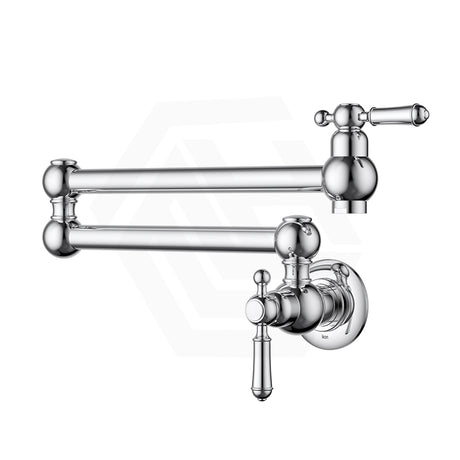
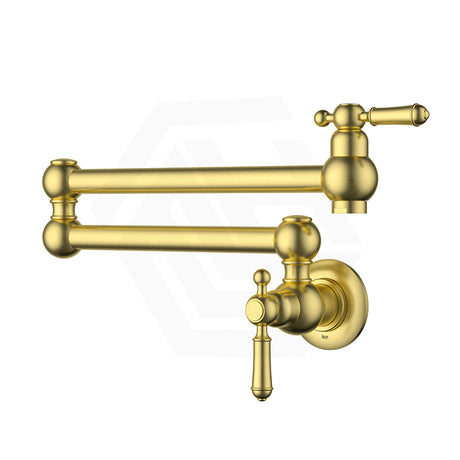
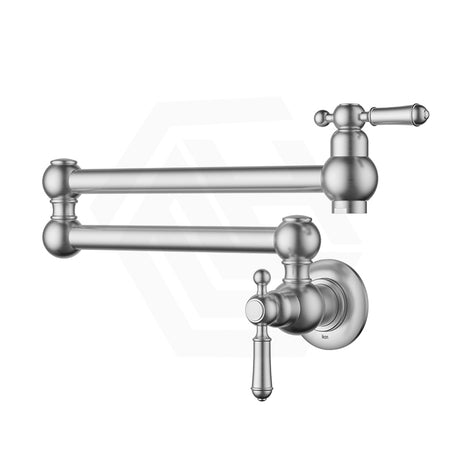
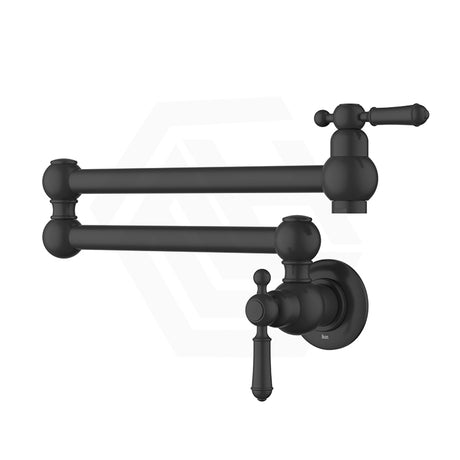
Consider, too, what else might end up on that wall. Pot filler taps are one example worth thinking about. Sitting directly above the cooktop, wall-mounted versions need water lines run through the wall itself, which means a licensed plumber gets involved. Nail down these details before the splashback goes in — otherwise you'll be re-tiling down the track just to fit pot filler taps.

Sources
Gas installations fall under Standards Australia's AS/NZS 5601.1:2022, Part 1: General installations.
You'll find condensation management addressed in Part 10.8, tucked inside the ABCB Housing Provisions of the National Construction Code.
Standards Australia publishes AS/NZS 3000:2018 Electrical Installations (Wiring Rules)
State and territory plumbing regulators set the licensing requirements for plumbing work.
References
AS/NZS 5601.1:2022 Gas installations, Part 1: General installations, Standards Australia
National Construction Code 2025, ABCB Housing Provisions, Part 10.8 Condensation management
AS/NZS 3000:2018 Electrical Installations (Wiring Rules) (incorporating Amendment 3:2023), Standards Australia