08 April, 2026
How to Use a Bidet: Benefits, Types and Installation Tips
How to use a bidet: step-by-step guide for beginners. Learn bidet types (spray, seat, electronic), benefits, installation tips and costs for Australian bathrooms.

Once you get to grips with how to use a bidet, you will wonder why it has taken Australia so long to catch on. There are lots of models on the market now, far more widely available than a few years ago.
How Does a Bidet Actually Work?
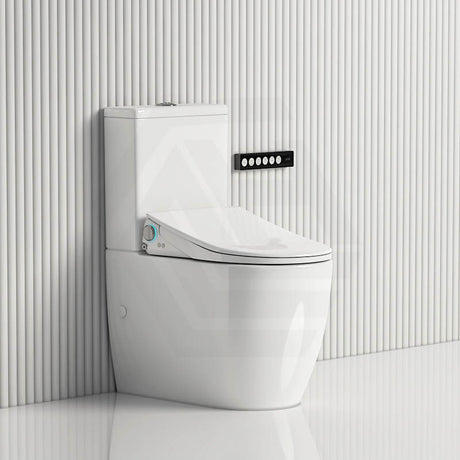
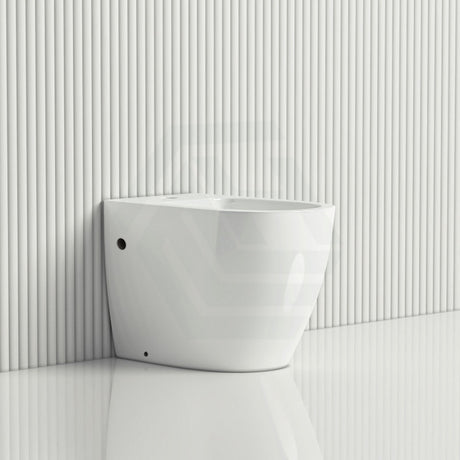
So just how does a bidet work? A bidet uses water to clean after using the toilet. That is the general principle, but the particular make and model dictates exactly how you clean. An electronic bidet seat has an extendable nozzle around the edge. Press a button and it slides out to release a fine spray. With most you can select the water temperature from 30 to 40 degrees Celsius. A handheld bidet is plumbed to your toilet water supply via a T-valve and sits in a wall holder. Water flow is controlled by your thumb on a small trigger—you control the direction yourself. A freestanding bidet is what you will see more often in Europe: a separate porcelain bowl to the side of the toilet that you straddle. Not as common in Australia, due to the extra floor space and plumbing required.

Types of Bidets Available in Australia
There are three main types are available in Australia. Electronic bidet seats are by far the most popular right now. They replace your existing seat and plug into a power point. The simplest models start at $300, with top units featuring warm air dryers, heated seats and deodorisers coming in at $1,500 or more. Brands stocked at Reece and The Blue Space have helped increase accessibility. Bidet sprayers are the most affordable way in. A quality kit costs between $50 and $150 and only takes about 20 minutes to install. Some people prefer manual control rather than a motorised nozzle. Standalone bidet fixtures are the least practical choice for most Australian renovations due to dedicated plumbing, separate drain, and floor space. Prices start at around $1,000 plus plumbing.

Bidet vs Toilet Paper: The Practical Comparison
The comparison between bidets and toilet paper comes down to hygiene, cost, environmental impact and comfort. In terms of hygiene, the evidence tilts towards the bidet. Dermatologists agree skin is cleaned more effectively with water, with far less risk of irritation. When you get something on your hand, do you dry it or wash it? Toilet paper can be a real expense. An average Australian household spends $120 to $180 a year on rolls. A handheld bidet sprayer costing $80 pays for itself within a year. Even an electronic seat at $500 covers the expense within three to four years. Environmentally, the average Australian uses around 4 kilograms of toilet paper per person each year, requiring 140 litres to produce just one roll. A single bidet wash uses approximately half a litre.

How to Use Each Type of Bidet Properly
It takes about five minutes to learn how to use a bidet. For an electronic seat: sit as you normally do, push the wash button on the control panel or remote. Start with low pressure and increase as needed. There will generally be different settings for front and back. Use the warm air dryer or pat dry with a few sheets—adds roughly 30 seconds. For a handheld sprayer: while seated, reach back with the sprayer and pull the trigger gently, pointing it where needed. Within two or three uses you will find your preferred angle. Leaning forward slightly can help. Regardless of which one you use, begin with lower pressure. You do not want a hard blast of ice cold water on day one (trust me, you have no idea).

Installation Tips and What It Will Cost
Knowing the bidet installation cost in advance helps with budgeting. A bum gun is the easiest installation. Attach a T-valve to your cistern and bidet hose, screw the hose into the valve, and add the wall holder. Total: $50 to $150, no plumber necessary, 15 to 20 minutes. An electronic seat needs a power outlet within one metre of the toilet. If there is not one, an electrician charges $200 to $400 for a new circuit. Remove your current seat, fit the toilet seat bidet using the T-valve provided, bolt it down and plug in. Check seat hole spacing and bowl shape before purchasing. A bidet in toilet seat form means no additional floor space is needed. A standalone bidet requires hot and cold supply lines, waste drain, and minimum 700 millimetres clearance. This is full plumbing work. Budget $1,000 to $2,500.