






06 November, 2026
How to Replace a Kitchen Tap: What to Buy and Who Should Fit It
Learn how to replace a kitchen tap, from measuring the tap hole and spout reach to why a licensed plumber must handle the fitting.

That chipped brass spout glaring up from my gorgeous new benchtop was the final straw — I replaced ours mid-renovation purely out of embarrassment! If you're facing the same decision, here's the short version: choose your tap by measuring the tap hole, spout reach and under-shelf height against the exact specification (don't guess at a "standard" size), then hand the job to a licensed plumber, because a kitchen tap replacement or installation is considered licensed plumbing work in all states and territories in Australia. We'll walk through exactly what to buy and why the fitting matters.
Video Credit: LRN2DIY
When a Kitchen Tap Is Worth Replacing
A leaking tap that drips at the base, a tap that crumbles when turning the handle or an old tap that looks tired and dated… these are signs that the time has come for replacement. Other tell tale signs of needing replacement are corrosion at the base, a cartridge that will not close fully and a loose spout.
If you are still unsure whether it is time to search for how to replace a kitchen tap, a licensed plumber can inspect the fitting and confirm whether a repair will do or a full replacement is the better option. There are some exceptions depending on the state, such as replacing a tap washer, so it is a good idea to check your state's rules.

Measure Before You Buy
If it is time to replace rather than repair, then you need to make sure that you get the correct sized tap for your sink or bench top and you comply with local legislation. Measuring the tap hole in your sink or bench top is essential, because they are not all the same size – don't assume you can just buy based on a standard size, measure against the dimensions listed in the new tap specification. You'll also need to measure the spout distance from the tap hole to the bowl, and the height underneath the shelf or window sill.
Look for the WaterMark licence number on the new product specification before purchasing. While unlicensed tapware can be legally sold, a licensed plumber is not permitted to install unlicensed tapware. The NCC also notes that kitchen mixer taps come into contact with drinking water and as such, the lead free requirement applies. From 1 May 2026 (NCC 2025, Volume Three, Part A5) manufacturers will only be able to manufacture Lead Free WaterMark products. Existing WaterMark-certified tapware can still be installed nationally until 30 April 2028 under the ABCB transition, though Victoria and possibly other states may apply their own dates — check your state's rules. This is not retrospective so you don't need to replace a working tap due to this. Some specifications list "lead free" tapware for specific finishes, but please note that this information should be taken directly from the specification itself. And finally, check the tap specification working pressure range to ensure the tap works for your low pressure or tank system.

Pull Out or Pull Down?
Your first consideration is whether you want a pull out sink mixer or a pull down mixer.
A pull out sink mixer has a spray head that comes towards you on a hose and often the spray head can switch between stream and spray. A pull down mixer has a high arc spout and the spray head pulls down into the bowl. Neither is more superior than the other, so consider your usage and ensure there is adequate space for the hose beneath the tapware. Please note that tapware intended to be connected to drinking water must comply with durability, corrosion resistance and hygienic safety requirements.

When a Standard Mixer Is the Better Swap
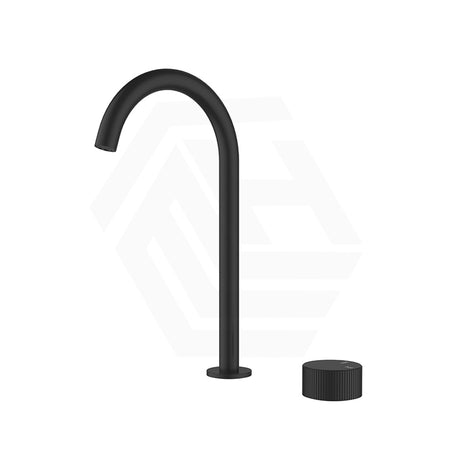
While pull out mixers can look amazing, standard sink mixers are a more straightforward swap if your old tap was a standard mixer. Standard sink mixers are a simpler replacement because there is no pull-out hose that requires space underneath. They are available in both tall gooseneck styles and simpler swivel spouts. If your sink is under a low shelf or window sill, then check the height of the spout against the specification. Regardless of which style you choose, remember that a licensed plumber must carry out the installation.

What Happens on the Day
On the day of the tap installation, your licensed plumber will turn off the water, remove the existing tap and fit the new mixer tap. Most new kitchen tapware is supplied with their own hoses, although some specifications also list the hose length. So, make sure the hose will reach the stop taps. If you want a third connection for say, a filter tap to be connected off the same supply, or if the hoses won't reach, then ask your plumber about suitable kitchen mixer accessories such as a flexible water connection or a three way stop tap for them to supply and install at the same time.
When the tap installation is complete, ask your plumber to provide you with a compliance certificate for the plumbing work, and keep this along with your WaterMark documentation for your new tapware in case it is needed in the future.
References
National Construction Code 2025, Volume Three (Plumbing Code of Australia), Part A5 Documentation of design and construction, clause A5G4, Australian Building Codes Board
AS 3718:2021 Water supply — Tap ware (incorporating Amendment No. 1:2024), Standards Australia
Plumbing licensing requirements, state and territory plumbing regulators
WaterMark Certification Scheme, Australian Building Codes Board