11 June, 2026
Tapware Meaning: a Plain-english Aussie Guide
Confused about tapware meaning? This plain-English Aussie guide explains what tapware is, from basin mixers to shower fixtures.

Video Credit: Billshowto
What Does Tapware Mean?
Tapware, the ubiquitous term for taps, will appear in every single document associated with any Australian plumbing jobs, from the plumber's invoice to the labels on the products, the signage in the showroom, and the building specifications. But it is a term that a lot of home owners have no idea what it means.
So, in simple terms, the tapware meaning is this: tapware is the general name for all taps, mixers, and fixtures that regulate the flow of water around the home, mainly in the bathroom, kitchen, and laundry. There's basin mixers, bath mixers, shower mixers, wall spouts, and kitchen sink mixers. Whatever dispenses or controls the flow of water at a wall or a benchtop or floor fixture is a tapware product in Australia.
In Australia, we use the word "tapware" and not "taps" and you'll never see the word "tap" used by a plumber, be that in an invoice or in any product specification from a local manufacturer or supplier. I wouldn't use the word if you were getting quotes, because a plumber will think you've done all your shopping on some global internet store that won't understand the difference in quality standards and specifications as compared to what is normal in Australia.
Once we know what "tapware" actually means, it makes sense to consider which specific types of tapware products come under that umbrella, because it's more than most people might suspect.

Types of Tapware Used in Australian Homes
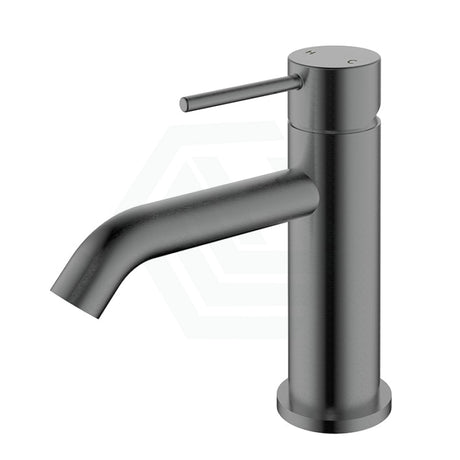
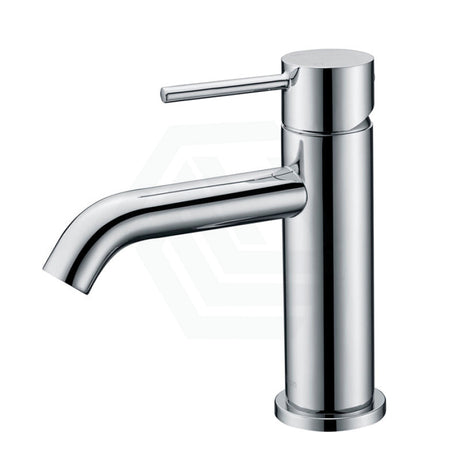
The most common types of tapware in use in Australian houses and apartments include basin mixers, bath mixers, shower mixers, kitchen sink mixers, and wall spouts. Each is designed for a specific use and installation.
Basin mixers typically sit on the benchtop or the wall next to the sink. The standard tap for use in the hob basin is for undermount and semi-recessed sinks, and this type won't work if you select an above-sink vessel basin, as a normal height mixer will not be high enough to clear the sides. We come across this mistake a lot in bathroom renovations and often it is a costly error after the tiles have been installed.
Wall mixers are installed into the wall, with the tap protruding from the wall, and can be used for baths, or more contemporary basins. There are versions that come with a spout and a diverter, which will allow you to select from two outlets, for instance a fixed shower head and a handheld shower. They are essential for shower and bath combination units. Heritage home and laundry renovations will sometimes still specify traditional pillar taps or two-handled mixers. However, these have been mostly superseded by the single lever mixer in the last few years as they are easier to use and more water efficient. Basin mixers are typically priced between $56 to $456 AUD and bath and basin tap sets range from approximately $52 to $807 AUD.

Key Components and Terminology Explained
It is useful to have a basic understanding of the parts of tapware so that it is easy to make buying decisions and comparisons.
The cartridge is the mechanism that controls both the water flow and the temperature. Most taps are designed with a ceramic disc cartridge, which typically measures 40 mm. At the moment, the 40 mm ceramic cartridge has become industry standard and has significantly outlived the rubber washers of the past. If your tap starts to drip, in most cases you only need to purchase and replace the cartridge rather than the whole tap.
The aerator is the piece at the end of your tap spout that mixes air in the water. This reduces water flow, but at the same time maintains pressure. Spout reach — typically 160 mm to 220 mm — should be matched to your basin size to prevent water splashing onto the benchtop or missing the waste entirely.
All tapware that is purchased and installed in Australia is required to have two mandatory certifications. WaterMark certification indicates that the product meets national water industry performance and safety standards under the WaterMark Certification Scheme required by the Plumbing Code of Australia. WELS (the Water Efficiency Labelling and Standards scheme) provides a rating of water efficiency. A 5-star rated tap typically produces around 6 L/min, whereas a 6-star rated tap reduces this to around 4 L/min. Tapware should always carry both WaterMark and WELS certifications. Non-certified tapware could mean that neither your council nor plumbing authorities will accept it, and can invalidate your home insurance.
Another aspect to note is that when we discuss the brass body of any tapware, this doesn't refer to the colour or finish of the product. The internal body of high-quality tapware is all brass, regardless of finish — matte black, chrome, brushed nickel, brushed gold, etc., are all simply different coloured finishes applied over a brass body.

Choosing the Right Tapware for Your Bathroom
Now that you have a better understanding of the tap terminology, let's look at how it applies to choosing the best bathroom tapware for you. While different finishes come with different appearances, levels of durability, and maintenance requirements, matte black has reigned as the leading finish on the tapware market in Australia for many years. Chrome is a traditional, easy-to-maintain finish but it does show water marks, while brushed nickel is harder to mark with fingerprints and it will age well.
Tapware can fit all budgets. Entry-level tapware is priced from $80 to $150 per fitting, while mid-range tapware ranges from $150 to $400. Premium products such as Meir begin from $400 upward. Generally speaking, premium products feature thicker brass bodies and tighter cartridge tolerances, both of which become important if you're building a bathroom that you intend to stay in for the next 15 years.
A big consideration is whether you will use freestanding bath tapware in your new bathroom. As freestanding bath tapware cannot be retro-fitted at a later date, water supply lines must be roughed through the slab before the concrete is poured. If you are using freestanding bath tapware for a renovation, check with your licensed plumber the position of the rough-in before the slab is poured. In Australia, the standard rough-in hole size for basin mixers is 35 mm. However, if you are importing tapware, the rough-in hole size may be 40 mm. It is worth checking the correct hole size prior to purchase as it is very costly to drill a new hole after tiles have been set.

Installing and Maintaining Your Tapware
In every state and territory of Australia, tapware connected to the mains water supply must be installed by a licensed plumber. A licensed plumber will connect the hot and cold water supply lines to the fittings, undertake leak testing, set the hot water temperature to no higher than 50°C at all bathroom outlets, and issue a certificate of compliance. You can, however, maintain your tapware yourself on a regular basis. The tap aerator will need to be de-scaled every six to 12 months to keep water flow rates intact. Simply remove the aerator and soak it in white vinegar before refitting it. Cartridge replacement must be undertaken by your licensed plumber. Regularly inspect your bath hose for wear and tear, paying particular attention to the rubber seals at either end of the hose. Rubber seals on a bath hose will deteriorate over time and may weep water with no visible external signs, causing hidden water damage. Finally, in planning the installation point of wall-mounted tapware, make sure you have worked out the bath shower screen location, as the frame of the screen and its hinges will impact where the tapware meaning is applied in practice — specifically, where the tapware is positioned.
References
WaterMark Certification Scheme, Australian Building Codes Board
AS 3718:2021 Water supply — Tap ware (incorporating Amendment No. 1:2024), Standards Australia
State and territory plumbing licensing authorities (Building and Plumbing Commission Victoria; Building Commission NSW / NSW Fair Trading; Queensland Building and Construction Commission; Plumbers Licensing Board Western Australia (administered by Building and Energy); Consumer, Building and Occupational Services Tasmania; Access Canberra ACT; Office of the Technical Regulator / Consumer and Business Services South Australia; Plumbers and Drainers Licensing Board Northern Territory)
AS/NZS 3500.4:2025 Plumbing and Drainage — Heated Water Services, Standards Australia