31 March, 2026
Unique Bathtub Styles: Concrete, Clawfoot and Japanese Soaking Tubs
Explore unique bathtub styles including concrete, clawfoot and Japanese soaking tubs. Plus expert tips on bath resurfacing and restoration to help you choose a standout tub for your bathroom renovation.

You’ve no doubt flicked through enough bathroom renovation inspiration to know there are plenty of options beyond your standard white acrylic bathtub. But some of the most beautiful designs around at the moment are the ones that inject a little personality into the space. Whether you like the rugged industrial look of a concrete bath, the classic elegance of a clawfoot or the meditative bliss of a Japanese soaking tub, there’s something to suit every style. Here we look at these unique styles, including everything you need to know about bath resurfacing and bathtub restoration if you’re planning to restore an old find to its former glory.
Why a concrete bath deserves your attention
Gone are the days when concrete bathtubs were the exclusive domain of high-end architects and designers. These stunning, handcrafted tubs are now within reach of everyday Australian homeowners, with a range of colours and finishes to suit anything from a crisp coastal space to a dramatic, industrial bathroom. A concrete bath is heavy, which means your floor will need to be reinforced to accommodate it, but the end result is well worth it.
One of the biggest advantages of a concrete bath is its heat retention. The thick walls of the tub allow the water to stay warmer for longer, giving you a longer period to enjoy a relaxing soak. And while concrete can be prone to staining and water damage, it can be sealed for protection, making it a far more practical option than you might imagine. If you like the idea of a truly one-off piece, this is a great way to go.

The enduring charm of the clawfoot bathtub
Who can resist the charms of a beautiful clawfoot bath, proudly positioned in the centre of the room? Supported by four ornate feet, this style of freestanding tub has been popular since the Victorian age, and remains one of the most in-demand styles for anyone renovating a period property or adding some character to a new build. Clawfoot baths look particularly effective when paired with high ceilings and unlacquered brass or copper tapware.
If you’re able to track down an original clawfoot bath at a salvage yard or second-hand shop, it’s well worth considering bathtub restoration. A professional can sand back the surface, repair any chips or cracks and apply a brand-new enamel finish, leaving you with a bath that looks and functions like new but still boasts all the charm of an original. And for anyone who prefers the reassurance of a brand-new product, reproduction clawfoot baths are widely available throughout Australia in a range of different sizes and foot designs.

What makes a Japanese soaking tub so special
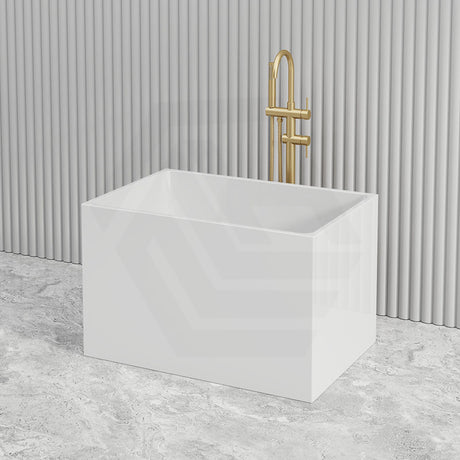
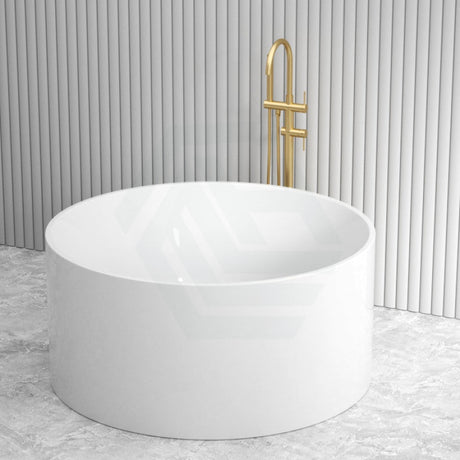
A traditional Japanese soaking tub, or ofuro, offers a completely different bathing experience again. Rather than reclining in a long, shallow bath, you sit up straight in a short, deep tub filled with water up to your shoulders. It’s a sensation of complete immersion that’s incredibly therapeutic, and one of those designs that will genuinely change the way you think about the humble act of taking a bath.
These baths are much shorter than a conventional bath, usually around 1000 to 1200 millimetres, making them perfect for smaller bathrooms or en-suites. In fact, they are often considered one of the best small tubs for small bathrooms, offering deep soaking comfort without requiring a large footprint. For even tighter layouts, some homeowners also explore a tiny corner bathtub as a space-saving alternative, especially in compact apartments or awkwardly shaped rooms. Despite their short length, they are deep, so they can hold a significant volume of water. Japanese style soaking tubs can be made from wood, stone, acrylic, or composite materials, and each option has its own unique aesthetic and maintenance requirements.

Bringing an old tub back to life with bath resurfacing
Not every bath needs replacing. If you have a cast iron or steel bath that has lost its shine, bath resurfacing is well worth considering. The process involves cleaning the surface, filling any chips or cracks, and then applying a multi-coat finish that adheres to the original material. This should only be done by a professional.
In Australia, bath resurfacing generally costs between $400 and $800 depending on the size and condition of the bath. A new finish should last around ten years or more with proper care. If you are restoring an older property and the bath is in fairly good condition, resurfacing is a smart option. Combined with bathtub restoration of the external shell, a tired old bath can become the showpiece of your bathroom renovation.

Choosing between these unique bathtub styles
It really depends on your bathroom, personal preference and how you use the space. A concrete bath is perfect as a freestanding centrepiece for the room and will appeal to anyone who loves a bold, sculptural piece. A clawfoot bath is perfect for period or heritage bathrooms and works beautifully with traditional style tapware and mixers.
If you have a small bathroom but want to indulge in a deep bath, consider a Japanese soaking tub. And if you have a beautiful old bath that is just a little worse for wear, restoration might be the best path forward. You can explore concrete soaking tub options to see the range of styles available. For a more traditional option, browse the clawfoot bath collection. And if you are updating the bathroom, it might also be worth looking at a Japanese toilet to complete the look.