





25 February, 2026
What is Hybrid Flooring?
What is Hybrid Flooring? Hybrid flooring blends laminate looks with a rigid core that resists wiped-up spills. Perfect for Aussie homes, it’s tough, stylish, and easy to install.

If you've been starting to investigate new flooring options lately, chances are you've come across the term “hybrid flooring” at least once. It's been gaining in popularity across Australian homes, and for good reason. But what exactly is hybrid flooring, and is it the right choice for your home? Let’s take a look.
So, What Exactly is Hybrid Flooring?
Hybrid flooring is pretty much just what it sounds like: a clever combination of the best features from two of the most popular flooring types, laminate and vinyl. The result is a flooring product that's rigid, highly durable and great to look at, with a plank surface and core that resist spills as long as they're wiped up promptly. Unlike traditional timber or laminate floors, hybrid flooring is engineered to handle everything modern living throws at it. Whether you've got kids running through the kitchen or pets scratching up the hallway, hybrid flooring is built to handle it.
How is Hybrid Flooring Constructed?
Understanding the construction of hybrid flooring comes down to its layered design. A typical hybrid plank consists of four main layers:
- Top Protective Layer. The topmost layer protects the floor from scratches, scuffs, and surface damage. A thicker wear layer means better long-term protection.
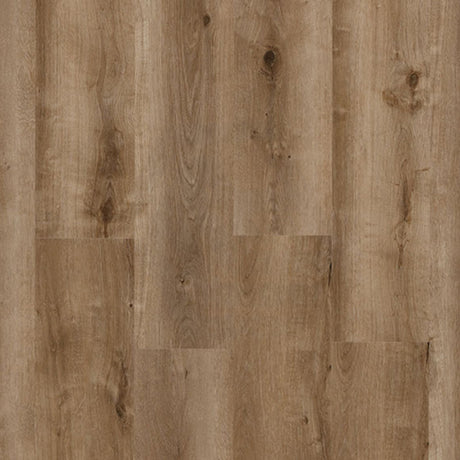
- Decorative Layer. This is the printed design layer that mimics the look of real timber, stone, or other natural materials. Modern printing technology means today's hybrid floors are remarkably realistic.
- Rigid Core. This is the heart of the hybrid plank. It’s a solid, stable core (often made from stone polymer composite or wood polymer composite) that gives the floor its rigidity and helps it resist everyday spills.
- Underlayment. Many hybrid planks come with a pre-attached underlay or backing barrier that provides sound insulation and a comfortable underfoot feel. On most of the hybrid ranges we stock, this is a cross-linked IXPE acoustic underlay.
Reasons to Choose Hybrid Flooring

Homeowners are increasingly turning to hybrid flooring for a number of reasons:
Water-Resistant Surface and Core
Unlike standard timber or laminate, which must be kept dry, hybrid flooring has a plank surface and core that resist spills, as long as they're wiped up promptly. Standing water, flooding and leaks will still damage it, because water gets under the boards at the joints and edges. That makes it a practical choice for kitchens, but it isn't suited to bathrooms, ensuites, toilets or laundries – tiles are the better choice for those rooms.
Temperature Stable
Australia's climate can be brutal, on flooring as well as our bodies. Yet, from sweltering summers to chilly winters, hybrid flooring's rigid core is designed to remain stable across a wide range of temperatures. It still needs to be laid with the expansion gaps its installation guide specifies, though, so the floor has room to move.
Easy Installation
Most hybrid floors feature a click-lock system that makes them suitable for DIY installation over existing subfloors, saving time and money on labour costs.

Versatility
One of the standout advantages of hybrid flooring is its versatility. It can run from the kitchen through the living areas, bedrooms and hallways, so you can achieve a consistent, seamless floor aesthetic from room to room. Hybrid flooring works beautifully over concrete slabs, existing tiles (in many cases), and timber subfloors.
Realistic Aesthetics
Modern hybrid floors are designed to closely replicate the beauty of natural timber and stone, giving you a premium look without the premium price tag or maintenance burden.
What Thickness is Best?
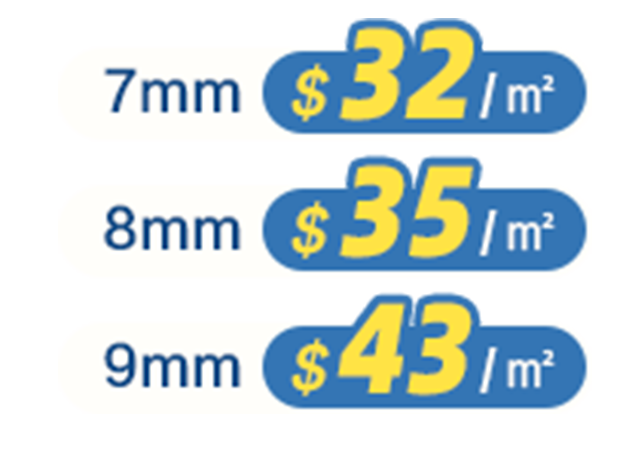
Thickness plays an important role in the performance and feel of hybrid flooring underfoot. A popular and highly recommended option for homes is 9mm hybrid flooring. At this thickness, you get a solid, substantial feel that closely mimics the sensation of walking on real timber. It also provides better sound insulation compared to thinner options.
How to Care for Hybrid Flooring

One of the reasons hybrid flooring is so popular is how easy it is to look after. Day-to-day maintenance is straightforward, since it really only takes a regular sweep or vacuum to remove dust and debris, plus some occasional damp mopping. Note, though, that it’s best to avoid harsh chemical cleaners or steam mops, as these can degrade the wear layer over time.
Is Hybrid Flooring Right for You?
If you're after a flooring solution that combines style, durability, and ease of maintenance, hybrid flooring ticks the boxes. Whether you're renovating a single room or completing a whole-home flooring update, hybrid flooring provides an excellent solution that suits a wide range of budgets and tastes.