04 June, 2026
Shower Shelf Ideas for Australian Bathrooms
Explore shower shelf ideas for Australian bathrooms. From recessed niches to built-in designs, find the perfect solution for your shower.

Video Credit: Decor Home Ideas
Types of Shower Shelves for Australian Bathrooms
Imagine the shower that you use, except this time with a place for everything. Your shampoo, conditioner, body wash, and razor all have a place on a shelf — so they do not litter the floor of your shower. An expertly designed shower shelf is the solution, which is why you should be considering one for your Australian bathroom.
So, what are your shower shelf ideas? Today, the most popular type of shower shelf in Australia is the recessed shower niche — a shelf that is built directly into the wall, placed between the wall studs and tiled to match the surrounding area. It creates a streamlined look and is suitable for either an alcove or a walk-in shower. Think of it as a built-in bookcase — a permanent shower shelf solution that is both good looking and practical.
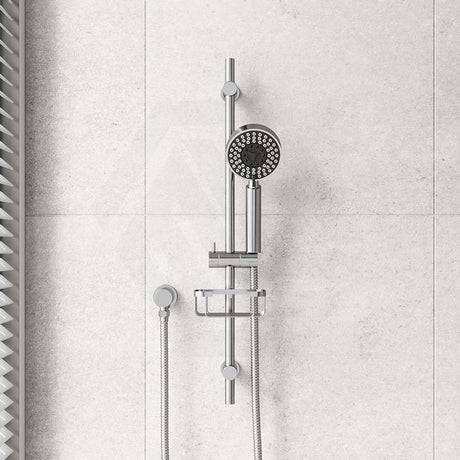
Alternatively, corner caddies fit neatly into the 90-degree angle of a corner shower. For a shelf that you want to instantly remove, without having to do any wall work, this is an ideal choice. You can obtain extremely high quality stainless steel corner caddies with plenty of space for your shower products. For an even easier option, you can use a tension pole system which does not require any drilling — simply a floor-to-ceiling pole with adjustable shelves. This is great if you are a renter or do not want to commit to a permanent shelf.
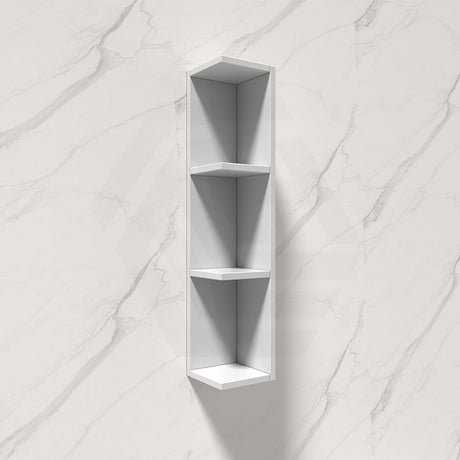
If you prefer something neat-looking without the fuss of a recessed niche, wall-mounted floating shelves can be fixed to the wall with either adhesive anchors or brackets. For bath-shower combinations, overhead ledge shelves sit over the shower rose to maximise wasted vertical space in that area.

Materials, Durability and Cost Breakdown
Now that you have an idea of which shower shelf style suits your needs, it is time to consider what your shelf should be made of. In Australian bathrooms, material choice plays a big role in the shelf's longevity and how much you will pay for it.
In Australia, 304-grade stainless steel is the go-to for shower accessories. It is durable and corrosion-resistant, and available in all popular finishes — ranging from Chrome and Matt Black to Brushed Gold and Brushed Nickel. Brands like Fienza and Aquaperla have a broad range to choose from in these various finishes. Generally, you can expect to pay $30–$80 AUD for a single wall-mounted stainless shelf, or between $200–$400 for a multi-tier system.
If you live near the coast, from the Northern Beaches of Sydney, to the Gold Coast, or the entire WA coastline, it is definitely worth paying a bit extra for 316 marine-grade stainless steel because it has a higher resistance to salt-air corrosion than the standard 304 grade. Brushed brass and powder-coated matte black finishes are very popular in Australian bathrooms today, however do be advised that they require a little more careful maintenance — wipe them down regularly and do not use any harsh abrasives when cleaning.
Tempered glass shelves bring a light, airy quality to larger walk-in showers — ensure AS/NZS 2208 safety glazing compliance (AS/NZS 2208:2023) when buying. These typically fall within the $80–$250 price range.
Tiled ceramic or porcelain inserts for recessed niches are a cost-effective finish choice. Mosaic tiles can run anywhere from $12 to $241 per piece depending on the style you opt for.

Installation Considerations and Common Mistakes
When it comes to shower shelf ideas, a lot more than just the material is involved — if a shelf is not installed properly it can quickly become a major issue, leaking and falling off the wall within months. The crucial thing to grasp is that when you are installing a recessed shower niche, the waterproofing membrane must not be penetrated at all. Under NCC 2025, shower-area walls require waterproofing to a minimum height of 1800 mm above the floor substrate. Any penetration into the wet area wall must be carried out by a licensed waterproofer and, where plumbing is involved, a licensed plumber — this is a legal requirement across all Australian states and territories. Retrofitting a recessed niche into an existing shower typically takes two to three days, including waterproofing cure time.
The most common reasons for shower shelf issues are failing to silicone all around the complete edge of the shelf so there is no gap for water to seep in, putting too much weight on glass shelves which have weight limits, and installing a shelf where the shower rose hits it and causes it to wear prematurely. When deciding how to fix a shelf to your bathroom walls, remember you will need different fixings for different wall materials — the fixings you use for plasterboard are not the same as those used for fibre cement sheeting, for example. Ensure your shelf is heavy enough to require fixing into a stud or noggin where the wall is not solid masonry.

Sizing, Placement and Practical Tips
If you now have a better understanding of the various requirements for shower shelf installation, it is a good time to discuss size and positioning. The most tile-friendly recessed niche dimension is 300 mm wide by 600 mm tall, as this aligns with standard full-size tile cuts. A niche for shampoo and conditioner bottles should have a minimum depth of 100–150 mm, and should ideally be positioned between 900 mm and 1500 mm from the floor — above the main splash zone and within comfortable reach of most adults. You can include a 250 mm triangular corner shelf in a 900 mm × 900 mm shower without it interfering with movement. In a multi-user shower, consider placing one shelf at 1200 mm for adults and another at 900 mm for children or shared products. Silicone all grout joints of any tiled niche to prevent mould.

Bathroom Storage Cabinets and Complementary Options
Even the most beautifully designed shower shelf will not hold every item you need in the bathroom. A bathroom storage cabinet can provide extra space for toiletries and should be placed near or above the vanity for easy access. Larger bathrooms may need more storage than you expect — tall bathroom cabinets help maximise vertical space, offering plenty of room to store bulky everyday items neatly behind a door. For bath-shower combinations, over bath shower screens allow you to incorporate a shower caddy or shelf rail without removing any waterproofing or tiles, making them a practical option for older-style bathroom designs. As always, if your shelf is finished in, say, Matt Black, consider choosing storage accessories such as handles, towel rails and toilet roll holders in a matching finish for a consistent, well-considered look.
References
National Construction Code 2025, ABCB Housing Provisions, Part 10.2 Wet area waterproofing
State and territory plumbing licensing authorities (Building and Plumbing Commission Victoria; Building Commission NSW / NSW Fair Trading; Queensland Building and Construction Commission; Plumbers Licensing Board Western Australia (administered by Building and Energy); Consumer, Building and Occupational Services Tasmania; Access Canberra ACT; Office of the Technical Regulator / Consumer and Business Services South Australia; Plumbers and Drainers Licensing Board Northern Territory)
AS 3740:2021 Waterproofing of Domestic Wet Areas, Standards Australia
AS/NZS 2208:2023 Safety glazing materials in buildings (incorporating Amendment No. 2:2025), Standards Australia
AS 4586:2013 Slip resistance classification of new pedestrian surface materials (incorporating Amendment No. 1:2017), Standards Australia