27 March, 2026
Bathroom Vanity Ideas: How to Choose the Right Vanity Top for Your Renovation
Not sure which vanity top to choose? This guide compares marble, engineered stone, porcelain and more — with practical tips on maintenance, durability and style to help you pick the perfect bathroom vanity top.

When you visit a bath showroom, you’re likely to be overwhelmed by choice. Marble or engineered stone? Natural stone or something more forgiving? With so many vanity top options, it can be difficult to decide which one is right for you. If you’ve been tossing around bathroom vanity ideas for weeks, you’re not alone. Let’s get into the different materials for vanity tops, their pros and cons, and how to pick one you’ll actually be happy with for years to come.
The materials you need to know about
Let’s start with the vanity top. Marble is one of the popular choices known for its unique veining and colours. However, it’s also porous, making it prone to staining and water spots. To keep your marble vanity top looking its best, you’ll need to seal it regularly. Then there’s engineered stone. If you want a low-maintenance option, this is the way to go. Made from stone particles and resin, it’s resistant to scratches, stains, and cracking. Plus, it mimics the appearance of natural stone without the upkeep.
There are other vanity top options worth knowing about, too. Porcelain tops are incredibly hard-wearing and come in finishes that mimic natural stone, timber, even concrete. Solid surface materials let you integrate the basin seamlessly — no joins, no grime traps. Your vanity top also needs to look right on whatever’s underneath it. A white marble top on an oak bathroom vanity, for example, creates a beautiful contrast between cool stone and warm timber.

Size and Proportion Matter
While it’s easy to get caught up in the excitement of choosing a vanity top material, don’t forget to consider the size and proportion of your vanity and top. A vanity top that’s too deep eats into your floor space; one that’s too shallow won’t give you enough room around the basin. This becomes even more important when you’re planning a vanity in corner of bathroom, where space efficiency and layout precision are critical to maintaining comfort and usability.
Think about edge profiles too — a thick, squared edge makes a bold statement, while a thinner profile keeps things refined. And if you’re working with a small bathroom, an integrated basin and top combo can free up precious centimetres without sacrificing style. These are the sort of bathroom vanity ideas that make a real difference to how the room feels day to day.

Making your bathroom design ideas actually work
Your bathroom vanity ideas might be everywhere, but the key is finding something that actually works for your life. A stone top might be exactly what you need, or it might be overkill. What matters is being honest about what you can afford and what you’re willing to maintain. A retired couple might well love marble. They’ll enjoy cleaning it. A family with two small children? No. Just, no. Engineered is best if you’re all about the low-fuss, set and forget approach.

Picking something you can actually live with
There’s this perception out there that if you opt for a low-fuss vanity top, you don’t have to clean it. Not true. It means when you’re running out the door to work and you only have 30 seconds to wipe the thing down, you can do so without having to worry. Opt for something without grooves to trap dirt. If you have hard water, don’t go for something that shows water marks. You know what? Just keep it simple. For the love of God, keep it simple.
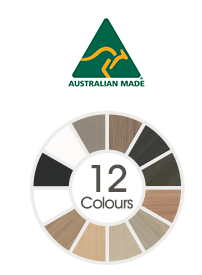
What about colour? I love colour. But, if you’re choosing a vanity top, stick to something neutral. Not because you can’t use fun colours but because you’re going to be staring at this thing for the next 5-10 years. When you chose millennial pink three years ago, it was fabulous. By 2032? Not so much. A warm grey. A cream. A timeless black. A soft white. These are all great bathroom design ideas that you won’t be cursing in a few years’ time.

What the tradies think (and why you should listen to them)
You know what? Tradies have seen some stuff. They’ve seen the best bathrooms and the worst. They know what stands the test of time and what doesn’t. Your plumber or bathroom renovator will have an opinion about your vanity top. And you should listen to them. They’ve done it before. Many, many times. They know what’s durable. They know what isn’t. Having said that, it is important this is something you can live with. If you hate their suggestion, tell them. Whether it’s an oak bathroom vanity or a marble slab, it’s your bathroom. It’s your morning routine. You’re the one who has to look at it every single day. One of the best bathroom renovation tips I’ve heard is to trust a tradie’s judgement on materials, but always go with your gut on colour. After all, a bathroom makeover is personal.