09 April, 2026
Types of Toilets: A Complete Guide to Choosing the Right One
Types of toilets in Australia explained: close coupled, back to wall, wall-hung, P-trap vs S-trap. Practical guide to choose the right toilet for your bathroom size, budget and plumbing setup.

I know, choosing a toilet is easy, you just pop into a store and choose the first white toilet you can find right? Unfortunately, not. There are many different types of toilets available, and your choice can have a big impact on the look, feel, and usability of your bathroom. And I know, who wants to spend their precious time shopping for a toilet when you could be choosing tiles, or tapware? But hear me out, it's worth putting in a little bit of time to figure out which type of toilet will suit your bathroom best, so you don't end up with one that doesn't fit, or worse still, doesn't fit your plumbing.
The toilet types you'll find in Australian bathrooms
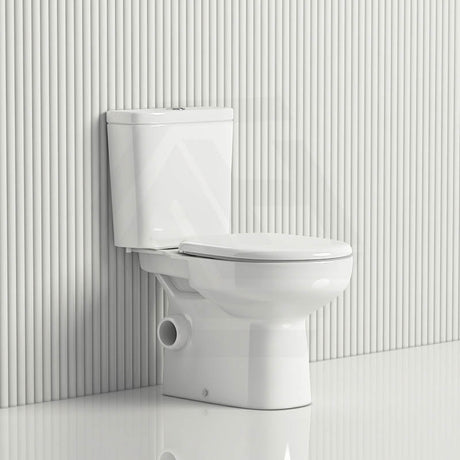
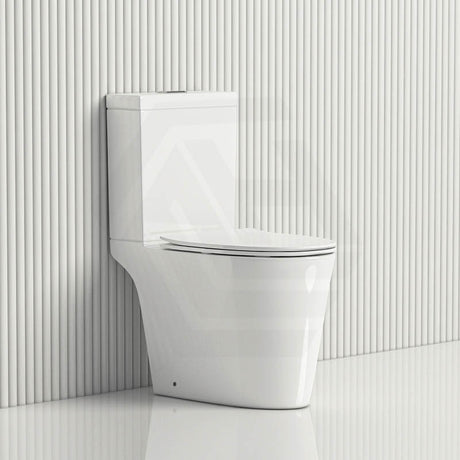
In Australia the three most common types of toilets are close coupled, back to wall, and wall hung. Let's look at each style in more detail. A close coupled toilet is probably what you're used to. The cistern sits on top of the pan, and they come as a single unit. What is a close coupled toilet? A close coupled toilet is a two-piece unit, where the cistern is connected to the back of the pan with bolts — there is no gap between the pan and the cistern. They're relatively cheap, easy to install, and when something breaks it's easy to access the internal workings of the toilet. A back to wall toilet has a concealed cistern, either built into a wall cavity, or inside a vanity unit. The pan sits flush against the wall with no pipework or cistern visible. This type of toilet is gaining popularity in Australian bathroom renovations, particularly in the main bathroom where the look and feel of the space is important. A wall-hung toilet is similar to a back to wall but takes it a step further and suspends the pan off the floor. I'll cover wall-hung toilets in more detail further on.

Close coupled vs back to wall — the big decision
This is probably where most people get stuck, and it's easy to see why. Whether you choose a close coupled vs back to wall toilet will impact your budget, ongoing maintenance costs, and the overall aesthetic of your bathroom. Close coupled suites are usually in the $300 to $800 range for a good quality unit. They're a single unit so installation is relatively simple — your plumber will connect the water supply and screw it to the floor. And if something goes wrong with your cistern you can usually just pop the lid off and fix it yourself. Back to wall toilets are more expensive, between $600 to $1,500, depending on the brand and whether you require a concealed cistern frame. The pro is the aesthetic. You don't see the cistern, so it looks neater, and gives the illusion of more space. The con is if there is an issue with the flush, getting to the cistern to fix it can be difficult (and in some cases expensive if tiles need to be removed). My view? If you are on a budget or if it is a rental you are renovating, go for a close coupled. If it's a family bathroom that you want to look fabulous, back to wall is the way to go. Just make sure your plumber determines whether a frame or cavity wall is required in the quote process.

Wall-hung toilets: worth the hype (and the price tag)?
Wall-hung toilets look amazing. I'm not going to lie. The pan appears to float in mid-air, the cistern is hidden behind the wall, and it looks like it's straight out of a five-star hotel. Cleaning the floor beneath is also a breeze, which is a bigger deal than people realise. However, they require a steel mounting frame to be installed inside the wall which must support the load of the user — it is an engineering issue, not a plumbing one. The installation is more expensive, and retrofitting into an existing bathroom means the wall must be opened up and potentially restructured. The suite itself will cost between $1,200 to $3,000, excluding installation. Is it worth it? If it's a new build or full renovation, where the walls are already being opened up, yes. If it's just a cosmetic renovation? No. It's too expensive, and too complicated.

Smart toilets and bidets
This is the category that has really come of age in Australia in recent years. Smart toilets and bidet seats are now a thing. Heated seats, self-cleaning nozzles, air dryers, automatic lids, you name it. All of this is now available in Australia from brands you will find at most bathroom suppliers. If you are interested in how to choose a toilet that does more than just flush, but aren't sure where to start, a toilet suite close coupled with a smart bidet seat is probably the easiest way to go. You don't need to rip out your existing plumbing, all you need is a power point near the toilet (yes, this means you need to get an electrician in). Full smart toilet suites are all-in-one, but they are more expensive, anywhere between $2,000 to $6,000. Ultimately, a bidet seat fitted to an existing toilet is the more intelligent choice for most of us at $400 to $1,200.

How to choose the right one for your bathroom
There are choices, and here's what I'd consider when planning. Check your trap. With so many types of toilets on the market, your waste pipe might go into the wall (p trap) or into the floor (s trap), which will dictate which toilet suite you can have. Measure the set-out before you go shopping. Space. Wall-hung and back to wall toilet suites save space. Close coupled toilet suites require a little more space behind the pan. WELS water rating. A 4-star rated toilet suite uses 3 litres for a half flush, and 4.5 litres for a full flush. That's a big difference over the course of a year, in both waters, and your water bill. Then there are the features. A close coupled toilet suite with a soft-close lid is a great starting point. But if you want to upgrade, a bidet on the toilet is a game changer for hygiene and comfort. Once you go there, you can't go back.