23 February, 2026
Kitchen Sinks Sizes and Bowl Options Explained
Standard kitchen sink sizes Australia: Single bowl 500-900mm, double 800-1200mm, depths 150-250mm. Compare options for space & easy cleaning in modern homes.

Kitchen sinks are some of the most frequently used fixtures in homes. People use their kitchen sinks to prepare food, beverages, wash dishes, and rinse their hands. However, many homeowners don’t think about the sizes and bowl styles of their kitchen sinks. They assume all kitchen sinks are there to perform a specific function, and that is all.
However, having the proper kitchen sinks sizes and bowls can improve your kitchen sink functionality and appearance in many ways. It can give you more space, reduce the risk of splashed water, and enhance the overall aesthetics of your kitchen. The best kitchen sinks sizes and bowl selections depend on the size of your kitchen countertop and your personal preferences.
In this product buying guide, you will learn more about the different kitchen sinks sizes and bowl options, and how they can impact your kitchen.
What Are the Standard Kitchen Sinks Sizes?
Australian kitchen sinks sizes are measured in three dimensions: length, width, and depth. Length is considered from left-to-right, width is from front-to-back, and depth is top-to-bottom. Here is a breakdown of the common sizes of these three dimensions of kitchen sinks:
1. Length
The length of an Australian kitchen sink can be anywhere from 250mm to 1500mm. These account for both single-bowl and double-bowl sink variations, which we will discuss in the next section.
- Small Sinks (230mm to 460mm) – Appropriate for smaller kitchens with limited spaces, especially in bachelor pads and smaller apartments. Some homeowners use these smaller sinks as bar sinks for watching glasses and bottles only.
- Normal Sinks (500mm to 1000mm) – The typical Australian homeowner will have a normal sink of this length. It should be long enough to satisfy the kitchen sink needs of an average-sized family.
- Oversized Sinks (1000mm to 1500mm) – Some people may want an oversized sink of this length if they have a large family or regularly entertain guests at their homes.
Keep in mind that some of the single bowl sink models may be just as long as some of the double bowl sink models. The difference is that double bowl sinks are divided down the middle to create two separate bowls within the same sink.

2. Width
The kitchen sink width is typically smaller than the length. Since the width goes from front to back, most sink designers want to ensure that people don’t have to stretch too far back to reach what they want in the sink. That is why most Australian kitchen sinks have widths between 250mm and 500mm.
- Small Sinks (250mm or less) – Most sinks with a small width will typically have a much bigger length. The idea is to create more room for the contents in the sink without needing to make it stretch too far to the back. The height of the person may factor into decisions about width. For instance, an older or shorter person may want a small sink to avoid straining their back, while a taller person may be more comfortable with a normal sink width.
- Normal Sinks (250mm to 500mm) – The standard kitchen sink will have a width within this range. It is suitable for both single bowl and double bowl models in the average Australian home. Even the longer sinks above 1000mm in length will still have a width of around 500mm. Keeping the width within this range will also allow you to make room for splashback installations behind the kitchen sink.
It is customary to leave about 50mm to 100mm between the back of the sink and the wall behind it if you would like to add a splashback.

3. Depth
Depth determines whether your kitchen sink is deep or shallow. The best choice might depend on the height and age of the people in your home. Generally, the depth of the average kitchen sink is between 150mm and 250mm. Sinks don’t usually get any deeper than that because people don’t want to have to reach their arms too far down into their sink, especially if filled with water.
- Shallow Sinks (150mm to 200mm) – A kitchen sink depth within this range is a bit shallower, which might be suitable for households with children or shorter people who don’t have long arms.
- Standard Sinks (200mm to 250mm) – This depth range is a bit more standard for an Australian household kitchen sink. It is suitable for washing dishes, pots, pans, and hands.
Dimensions Tips
The most common mistake homeowners make is choosing a kitchen sink without measuring their base cabinet’s internal width. The general rule is that your sink’s width must be at least 70mm to 80mm smaller than the internal width of your base cabinet. That way, you can make room for all the internal plumbing and hardware that will need to be installed.

Single Bowl Kitchen Sinks
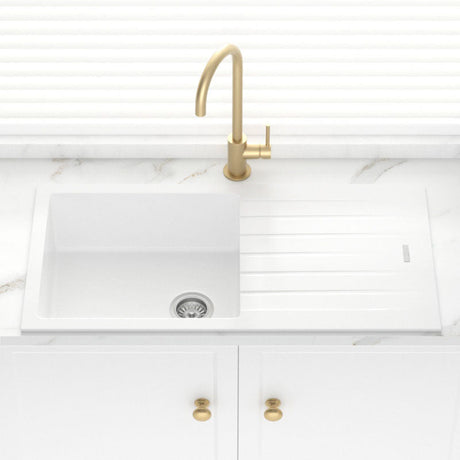
Single bowl kitchen sinks feature one large basin for storing dishes and water. Some of them can be just as long as double bowl kitchen sinks, but without the divider in the middle. Here are some of the pros and cons to consider:
Pros:
- Creates more space for your sink to hold larger pots and pans
- Easier to install because there is less plumbing work to deal with
- Minimalists prefer the modern, sleek appearance of one large basin
- More space to work with your hands when washing dishes
- Faster and easier to clean
Cons
- The inability to multitask or perform two separate tasks in the sink (e.g., washing dishes and soaking vegetables)
- Increased clutter since the dishes all share the same basin
Double Bowl Kitchen Sinks
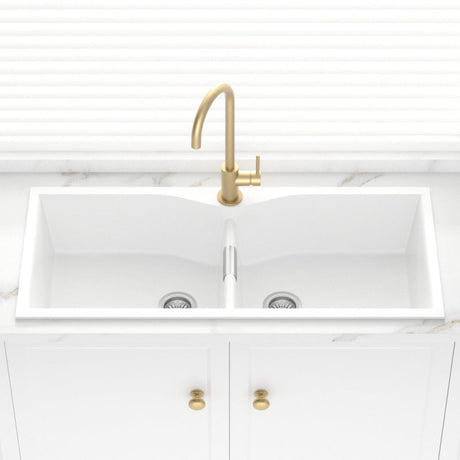
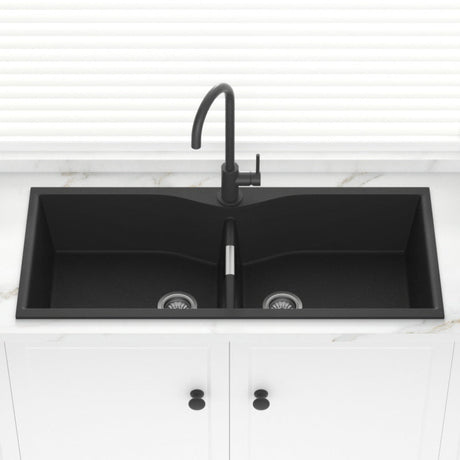
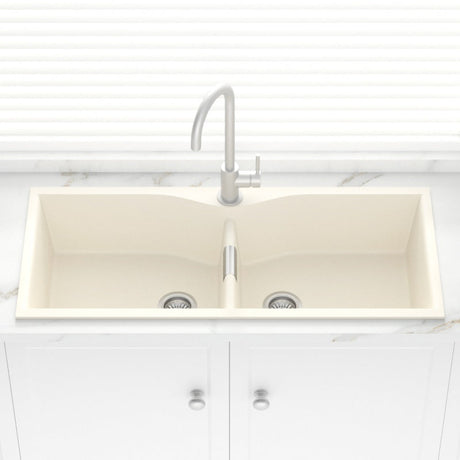
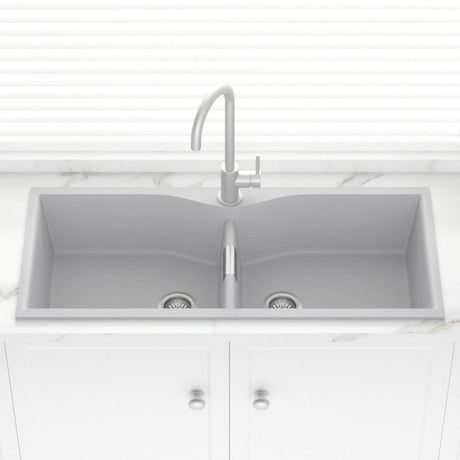
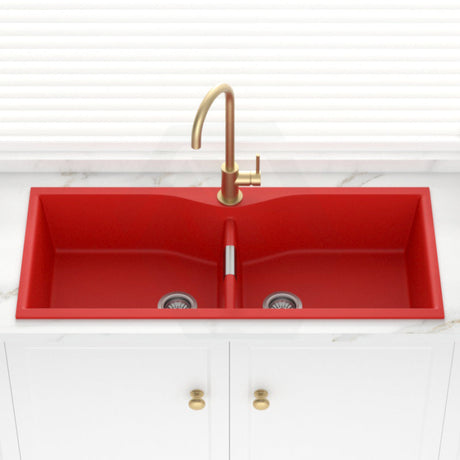
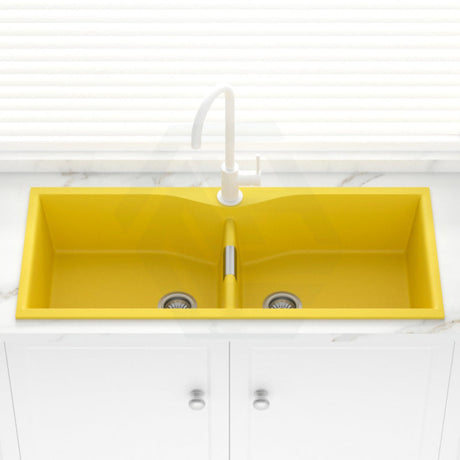
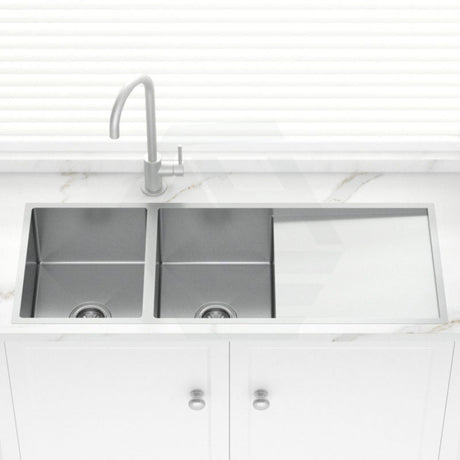
Double bowl kitchen sinks feature two basins with a divider separating them down the middle. Each basin has its own drain for the water.
Pros:
- The ability to simultaneously perform two tasks in the sink, one in each basin
- More hygienic and organised for preparing food and cleaning dishes
- Compatible with a garbage disposal on one side
- Various configuration options are available
Cons
- The divider consumes more space, leaving less room to store large pots and pans
- More complex to install due to the added plumbing needed for two drains
- More maintenance is needed to address the additional plumbing

Conclusion
Homeowners should put more emphasis on the size of their kitchen sinks because they can significantly impact the space, comfort, and functionality of an Australian kitchen. A sink that is 1000mm x 500mm x 250 mm would be about as average as you can get for a kitchen sink. Feel free to take measurements of your countertop and base cabinet to help decide which dimensions are the best for your needs.