14 January, 2026
How to Clean Kitchen Sink Properly Without Damaging the Surface
Clean kitchen sink safely: Material-specific tips for stainless steel, granite & fireclay. Daily routines with bicarb soda/vinegar remove grime, stains & odours without scratches or damage.

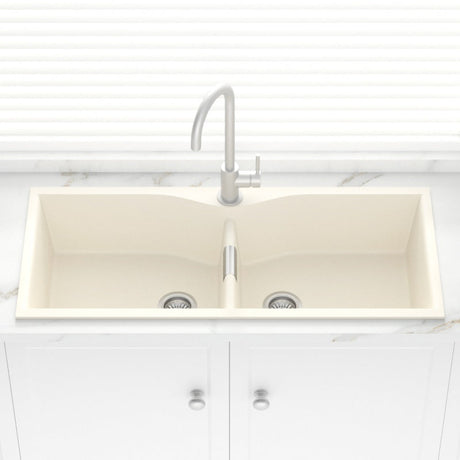
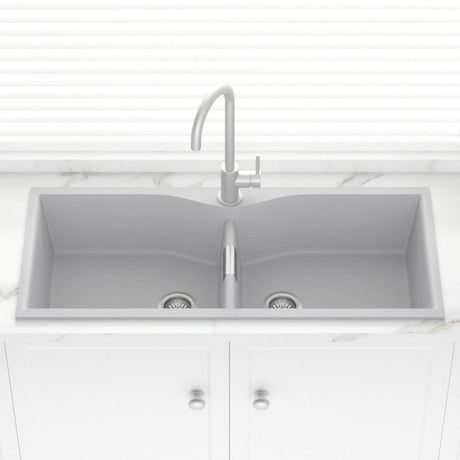
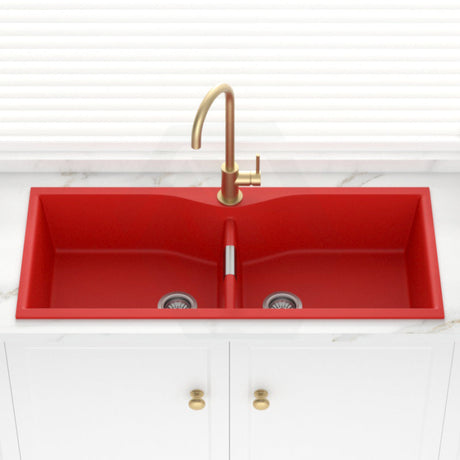
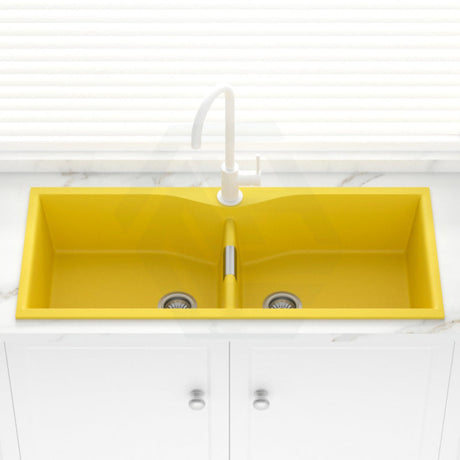
It's where you rinse vegetables, wash dishes, and somehow, it becomes the catch-all for everything from coffee grounds to pasta water. But here's the thing: not all sinks are created equal, and what works brilliantly on stainless steel might damage a composite granite sink (those stylish matte black or grey ones that are everywhere currently). Understanding your sink's material is the first step to keeping it clean and scratch-free for years to come.
Know Your Sink Material
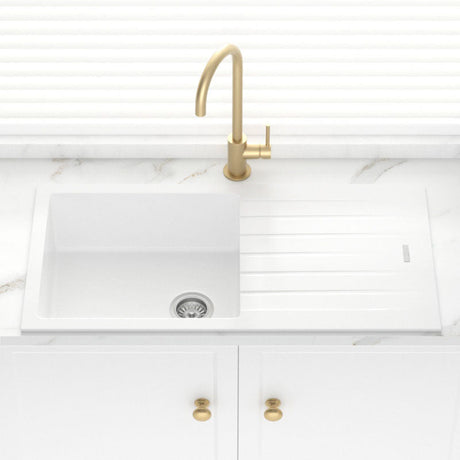
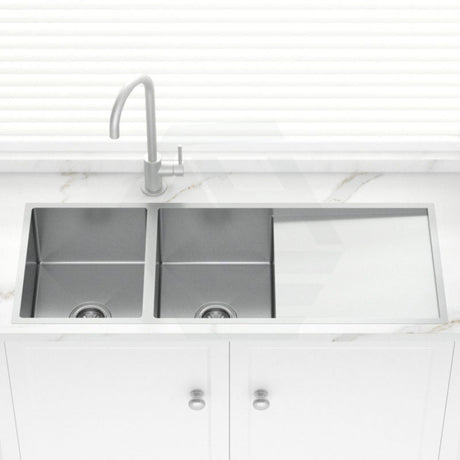
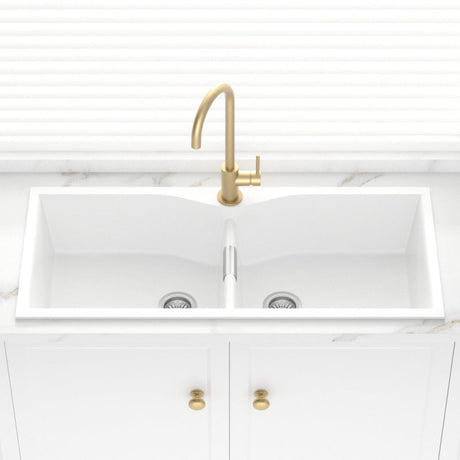
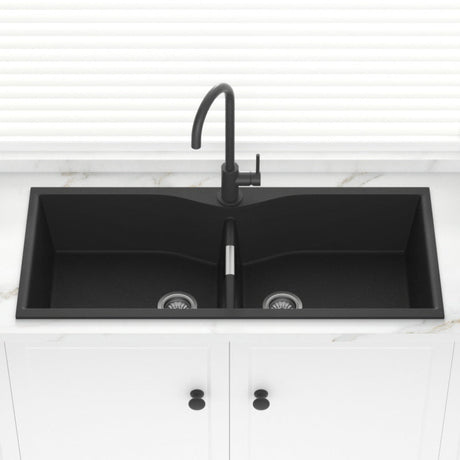
Stainless steel is the most forgiving material when it comes to kitchen sinks. It can handle a scouring and most commercial cleaners, but harsh cleansers and metal scouring pads can leave scratches that spoil the lustre entirely. Composite granite sinks are tougher than they look, but they do need to be treated gently. Porcelain and fireclay are beautiful, but if you're not careful, they can scratch and chip.
 The 5-Minute Daily Routine
Kitchen sink maintenance doesn't have to be a battle. Regular cleaning will keep off the really dirty stuff later on. A daily cleaning routine doesn't need to be complicated. Start by washing and drying dishes or stacking the dishwasher, then wipe down counters in an S-curve pattern with a warm, soapy cloth. Warm suds from dishwashing liquid are all you need for a basic everyday clean. After finishing the dinner dishes (or loading the dishwasher), use this opportunity to give your sink a once-over. It might seem like an extra step, but drying your sink with a clean tea towel or microfibre cloth makes all the difference. Though many people skip this, drying is essential to avoid water spots and the blighting of a composite sink's finish. When the job's done you have a gleaming, dry sink that looks brand new.

Quick Daily Wipe-Downs
Let your sink go unwashed for a while on days when it is hardly used. If you use it every day, spray it down before bed with a white vinegar and water solution: simply mix 1-3 parts water to 1 part vinegar or even straight undiluted vinegar. Spray this on generously, wait ten minutes, then wipe dry. This method costs only a few dollars and works just as well as expensive commercial cleaners. Depending on the type of sink that you have, your methods will change. For normal care of stainless steel sinks, bicarb soda is wonderful. First sprinkle over the entire surface and then add a squirt of detergent, which you will gently rub into the grain direction with the assistance of an ordinary cloth or mild abrasive sponge at minimum pressure so as not to scratch anything. The slight abrasive qualities of bicarb soda mean it can remove much dirt and oil without leaving marks when things dry up. Rinse all of it off with hot water, and don't forget to dry thoroughly. If you have a few minutes to spare, you might rub over a little baby oil or mineral oil before re-using the sink: this will bring back that brand-new look. If your sink is made of composite material, then treat it gently. Deposits of hard water, grease and food particles can all accumulate and work together to create one difficult case to clean. In this case, create a paste of dishwashing liquid and water or a product specifically for cleaning composite sinks and spread it around with gentle circular motions. Rinse well, towel dry completely. For really stubborn stains, use diluted white vinegar in equal parts with water. Just never let something like this sit any length of time on certain types of composite finishes – the acidity will eventually start eating into them. With fireclay and enamel sinks, these apparently fragile things are in fact quite sturdy. Use a gentle creamy cleanser. If it still does not come clean, mix a small amount of water with bicarb soda to create a paste and apply the compound gently over problem areas. Let sit for around 10 minutes before rinsing thoroughly Take care not to use steel wool or scouring powder on a steel surface like a sink. It may remove stains, but it will also strip the shine of the original finish, leaving you with a mottled look that is harder to clean. "People often think bleach is the answer to everything, but that's not the case with kitchen sinks," says professional cleaner Shannon Lush. It can be useful (if diluted) as a disinfectant for stainless sinks. Nevertheless, don't ever use bleach full-strength and it isn't recommended for coloured or enamelled sinks – it will cause discolouration, pitting and permanent damage to the surface. Most of the caustic drain cleaners are strong enough to disperse blockages by themselves. So, if they are left for an inappropriate length of time on your kitchen sink then they could damage it too. If you must use a drain cleaner, flush the sink with water afterwards.

How to Remove Stubborn Stains
Rust stains (which usually come from leaving steel wool or empty tin cans in the sink – and let's be honest, we've all done it) can be removed using a paste made of cream of tartar and hydrogen peroxide. Apply the paste to the stains and leave for about 10 minutes, then scrub gently and rinse well. This method works particularly well on white or light-coloured sinks. Hard water deposits are commonplace in areas where there is hard water. These mineral deposits can be removed by using white vinegar. The acid in vinegar dissolves lime and calcium deposits. Soak a cloth in white vinegar and place it over the affected area for 30 minutes, then wipe clean and rinse thoroughly. For dark marks around the drain and tap fittings, a mixture of bicarb soda and lemon juice creates a fizzing action that lifts grime without scratching. Moreover, it will leave your sink smelling fresh and looking clean. When cleaning sink surfaces with stubborn residue, patience is key to achieving the best results without causing damage.

Don’t Overlook the Small Things
The faucets aren't exempt; kitchen taps are used constantly, so water spots and limescale build up quickly. Wipe them each day with a damp cloth and dry them in time to stop marks from occurring. Use an old toothbrush or cotton bud around the base of the tap for those hard-to-reach spots. The area around the drain needs attention too. Once a week, put half a cup of bicarb soda down the drain and then tip in a cup of vinegar. Let it bubble away for 15 minutes and then rinse with boiling water. This way you can keep the drains odour-free and running freely without resorting to harsh chemical cleaners. This method costs only a few dollars and is as successful in clearing the drain as any commercial product you can buy from Bunnings. A quality sink cleaner doesn't have to be expensive or laden with harsh chemicals to be effective. Many household items like bicarb soda and vinegar work just as well as commercial sink cleaner products, saving you money whilst protecting your sink's finish. When you perform a proper Kitchen Sink Wash routine, you're not just removing visible dirt but also eliminating bacteria and odours that can accumulate over time. Making Kitchen Sink Wash part of your daily kitchen routine ensures a hygienic environment for food preparation. Regular cleaning sink maintenance prevents the build-up of grime that becomes increasingly difficult to remove over time. Maintaining the cleanliness of your sink needn't be complicated or time-consuming. With a little daily maintenance, the right products for your sink material and an occasional deep clean, you'll have a sparkling sink that makes your whole kitchen feel clean and inviting. And when you consider that your sink is one of the hardest-working surfaces in your home, it deserves that bit of extra care.