29 April, 2026
What Is a Bidet and Should You Get One? The Complete Guide
What is a bidet? Complete guide to bidet types, health and hygiene benefits, water savings and installation. Find out which bidet suits your Australian bathroom and budget.

What Exactly Is a Bidet?
If you have been browsing bathroom renovation images or heard a friend talk about their new "life-changing toilet upgrade", there is a high chance you would have heard the word "bidet". In short, what exactly is a bidet? Essentially, a bidet is a bathroom device designed to clean you with water after going to the toilet, in other words, a bidet is your "replacement" toilet paper. Bidets are common in bathrooms throughout parts of Asia, the Middle East and Southern Europe, but Australians are only starting to learn about these amazing devices. In fact, the trend really gained momentum during the 2020 toilet paper shortages, when we all had a reason to rethink our toilet habits. Once you try a bidet, you will find it hard to go back to the toilet paper way of doing things. So just what is a bidet doing in the modern Australian bathroom? Quite a bit actually, it can save you water and paper, and it provides a gentler, more complete clean that toilet paper just cannot.

Bidet Types Explained: From Standalone to Smart Toilet Seats
Like with many items, not all bidets are made equal, and the type you need will be determined by what you can afford, how much space you have in your bathroom, and just how much you would like your bidet to do. The classic bidet, or the separate basin you might see in hotels in Europe, is pretty rare in the Australian bathroom setting as most bathrooms do not have enough floor space next to the toilet for a bidet. If you are in the process of creating a brand new ensuite bathroom this remains an option, but for most of us this is unlikely. So what is a bidet option that actually works in an average Australian bathroom? That would be one of the three modern alternatives below.
Bidet attachments are the cheapest option and can be easily and cheaply installed under your toilet seat, with the bidet attachment being hooked up to your toilet using a T-valve to divert the water through the bidet nozzle. The bidet attachments generally do not require any electricity to run and prices can start from as little as $7 for basic bidets right through to $77 for the bidet attachments that will allow you to adjust the position of the nozzle on the bidet. This means the bidet is only operating with cold water which can take a bit of getting used to in winter.
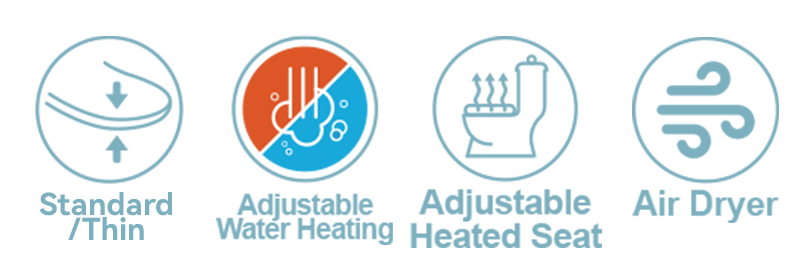
If you want to get a bit fancy with your bidet then you need to purchase a bidet seat. These devices replace the entire toilet seat, are powered and operate using heated water rather than cold water. These can feature adjustable bidet temperature, adjustable bidet pressure, a warm air dryer and in some cases a built-in deodoriser. The bidet seats can range in cost from $80 for the basic bidet seat right through to $1,846 for the bidet seat with the remote control and the night light option. Again though if you are buying a bidet seat then you need to have a power point in your bathroom in reach of your toilet seat, you may well require a licensed electrician to run a new point into the bathroom if you are currently using the traditional toilet paper.
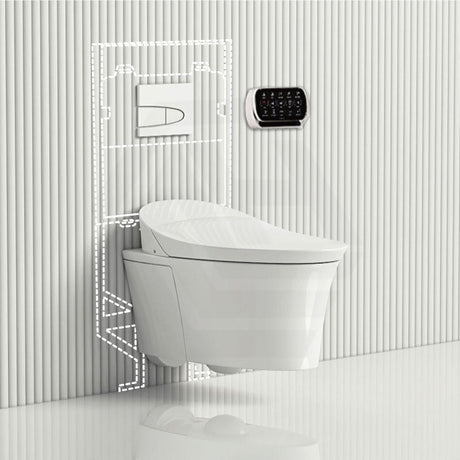
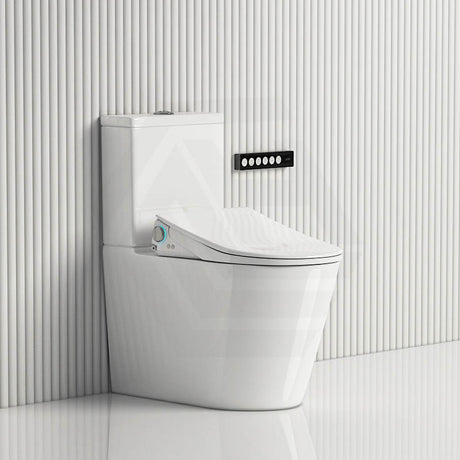
The highest end bidet options are where the toilet is actually the bidet as the two items are made together. These can range from $1,619 for brands like Fienza, Poseidon and Kohler right through to as high as $6,205 for the more high-end toilet and bidet options which has the toilet seat auto lifting option, self-cleaning bidet nozzle and app connection. These smart toilets can only be installed by a licensed electrician and a licensed plumber but look the best and take up the least space.

The Health, Hygiene and Environmental Benefits of Using a Bidet
And this is where bidets really win people over. Water cleans better than dry toilet paper. It just makes logical sense. If you have got mud on your hands, you would turn on the tap rather than grabbing a paper towel, right? The same is true down there. For anyone dealing with sensitive skin, haemorrhoids or even inflammatory bowel disease, washing can feel significantly gentler than repeated wiping. A bidet seat can be very nice for a new mother after giving birth. It could even be more convenient for elderly family members to use if they are having trouble with their physical strength to complete personal hygiene without much movement.
And then there are the sustainability benefits. The average Australian family goes through about 100 rolls of toilet paper a year. If you are using a bidet, the amount you are using could be up to 75 percent less than that, resulting in fewer packages, less shipping and fewer trees being chopped down for single use. Even though a bidet does require water, the amount needed for each wash (around 0.5 to 1 litre) is minimal compared to what is required to manufacture toilet paper.

Installation Basics: What You Need and How Much It Costs
Now you have done your research, let us get into how to install a bidet. This will depend on what type of bidet you choose. Bidet attachments and diverters are generally the easiest to install. All you have to do is turn the toilet off, swap out the old seat, add the bidet attachment to your toilet bowl and plug in the water connection included in the kit using the T-valve. You can usually complete this within 20 minutes using only a standard spanner and occasionally an adjustable wrench. If you have put a new toilet seat on before, this is a very similar process. Before you buy one of these kits, make sure your toilet seat dimensions are right and that the bidet is going to fit your toilet (whether it is round or elongated can vary by brand).
For a bidet seat, things start out the same. You will remove your existing seat, then secure your new bidet seat on top. You will also need to make a power connection. This can pose a challenge if you do not already have a power point near the toilet. Most bathrooms in Australia do not have these installed, so it may require a licensed electrician to put in a new power outlet, costing around $150 to $300 depending on the length of the electrical cable. While the actual price for these bidet toilet seats can range from $80 for a budget product to $300 to $800 on average and $1,846 for one of the fancier versions, once you factor in the cost of getting a new outlet installed, prices run between $230 to $2,150.
Putting in a full smart toilet will be a bit of a bigger project. Your old set-up will need to be pulled out by a plumber who will hook up the new bidet toilet bowl to water supplies and the drain system. The unit will also require a connection to a power source by an electrician. Plumbing and electrical labour costs on top of the bidet will generally cost between $300 to $600. And since smart toilets can run $1,619 to $6,205, the price will sit between around $1,920 to $6,800. This could potentially be the showpiece of your new bathroom renovation.

Choosing the Right Bidet for Your Bathroom and Budget
So, how do you go about choosing the right bidet for you? Consider these three key questions first: what is your budget, is there a power outlet near the toilet, and what is your available bathroom space? If budget or renting is an issue, a bidet attachment from $7 to $77 is the place to start. It takes a few minutes to install, does not require any major changes, and easily comes off when you move. The downside is cold water only and manual control.
If you own the home and want true luxury, you should go for a bidet seat between $300 and $800. Heated water, adjustable water pressure and warm air dryer actually make a difference in the experience. Just make sure to check your toilet seat dimensions and have a power outlet arranged. How to replace a toilet seat is your first step and is not hard enough for most homeowners to handle.
For a new bathroom or full renovation, a smart toilet bowl is the one that might work for you. Companies like Kohler, Fienza and Poseidon have all created models which are a mix of a toilet, bidet and dryer. If you are already paying for plumbing and power rough-ins in your bathroom renovation, the added cost to go smart is a lot less. Add matching vanities with the smart toilet, bath sinks and vanities of the same design family, and you will have a more coordinated bathroom.
When you choose a bidet, always look for the WaterMark certification (which is mandatory in Australia) and check your model's WELS water efficiency rating if it is the type with a flush. Both tell you that you are buying a product that is efficient and meets Australian standards, meaning you will not run into problems with your plumber or your water bill.