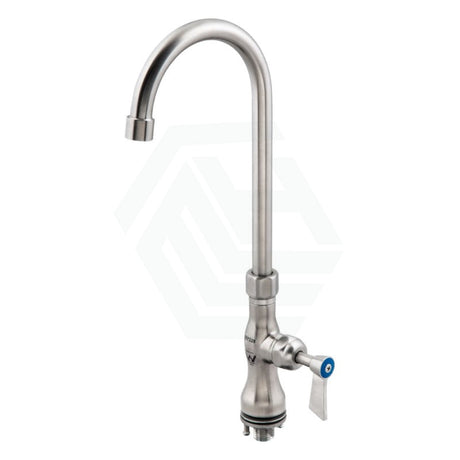
13 January, 2026
A Complete Guide to Replacing Taps With Mixers
Upgrade taps to mixers: Benefits like easier temperature control & modern style. Guide covers kitchen/bathroom compatibility, finishes, installation tips & maintenance for seamless Australian upgrades.

Upgrading a kitchen or bathroom is a gargantuan task, but it often starts with the details. One small change can make a huge difference in the functionality of a space. One of those details is to replace taps with mixers.
Whether you’re modernising an old sink by changing taps to mixers or improving water control, choosing the right mixer can improve the look and performance of a space.
This complete guide aims to break down everything homeowners need to know about changing taps to mixers, the benefits, what to consider before buying and how to find the right mixer tap replacement parts.

Why Replace Taps With Mixers?
So, what’s all the fuss about? And what’s the difference between mixers and other products on the market?
Traditional hot and cold taps were once standard in all Australian homes, but they come with their own limitations. With separate hot and cold taps, users sometimes struggle to find the right temperature quickly, and this can often lead to splashy or uneven flow.
By changing taps to mixers, users can control hot and cold water through the one spout, helping achieve the ideal temperature in one movement.
Additionally, with fewer fixtures on the sink top, mixers add a visual appeal by removing clutter in the space. This provides additional benefits in busy kitchens or family bathrooms (where I’m sure there are plenty of toothbrushes sitting on the sink).

What Goes Into Choosing the Right Mixer Tap?
There are several factors to consider when choosing the right mixer tap for a home. This ranges from mounting style to handle type and overall design.
The initial (and most important) factor is mounting style. Mixers come in different styles depending on the sink or benchtop configuration. There are desk-mounted mixers that sit on the bench next to a sink and wall-mounted mixers, which, shockingly, come out of the wall. The latter is best suited to minimalist home designs or if the homeowner has a splashback panel.
After choosing a mounting style, the next factor is spout height and reach. Homeowners should consider how they use their sinks when picking the best size. If large pots and pans are used often (like for big family dinners), a higher spout with a greater reach is best. For smaller sinks, perhaps with fewer people using the space, like single-person units, a lower profile might be more practical.
Picking the right height ensures water flows where it’s needed and doesn’t splash all over the place.
And finally, there are the personal preference factors. The first is the handle type. The most common are single-lever mixers, which have one handle that controls temperature and flow. The other popular handle type is dual-handle mixers, which bring that traditional look and feel with two handles, one each controlling hot and cold water.
There are little-to-no practical benefits here; it’s all about preference for aesthetics and usability.
And speaking of aesthetics, the final decision is finish and design. Mixer taps come in finishes like chrome, brushed nickel, matte black or stainless steel.
The decision of what metal finishes to use is usually made earlier on in the process when renovating, but for those creating a space from scratch, the finish should complement the rest of the space’s design and other features.

Where to Start When Planning the Swap?
Before removing old taps and moving to a mixer setup, it’s important to do some planning, including checking for plumbing compatibility and ensuring the mixer physically fits the space.
Most domestic plumbing setups will handle mixer installations, but it’s worth confirming if the connections and holes in a sink or benchtop are compatible. If the space isn’t suitable, there are workarounds like an adaptor plate or modifying the size. To do this, it’s recommended that homeowners reach out to a plumbing professional for a quote.
Accurate measurements are crucial as the distance from the back of the sink to the walls or splashbacks need to allow room for the mixer’s handle to operate without hitting anything behind it. In a worst-case scenario, the homeowner might not be able to get fully hot or cold water…
Maintenance Tips for a Long-Lasting Mixer Solution
Once your mixer is installed, keeping it in top condition can ensure years of reliable operation, well beyond the warranty date.
To keep the unit clean, use a mild detergent and a soft cloth to clean the finish, as harsh chemicals or abrasive pads can damage the surface over time. Additionally, mineral build-up in the mixer’s aerators can reduce the unit’s flow over time. Simply unscrew the aerator periodically and rinse under running water to check for this issue.
And finally, it’s important to occasionally check under the sink for any dampness or loose fittings. Early detection of leaks or bursts prevents bigger problems down the track.
If ever mixer tap replacement parts are needed, MyHomeware sells everything needed to repair or restore a kitchen or bathroom mixer.

So, What Are You Waiting For?
Replacing taps with mixers is a small change to a home that can deliver big benefits in quality of living and style. With choices ranging from contemporary designs to functional classics, a mixer tap can renew both kitchens and bathrooms with improved performance.
Need inspiration or ready to shop? Start with a curated range of standard sink mixers at MyHomeware.com.au.