29 May, 2026
Complete Guide to Types of Shower Screens
Explore all types of shower screens in our Australian guide. Find the right style to keep your bathroom watertight and mould-free.

Video Credit: SmartHive
What Are Shower Screens and Why the Type Matters
Have you ever stood in a bathroom showroom staring at rows of shower screens without a clue what to do? I have; I have even taken out my notepad to write down the specifications for future research! What I have learnt is this: choosing the wrong types of shower screens is going to be a major pain point for you — it is not just about the aesthetics.
A shower screen is a glass barrier which stops water entering your bathroom from the shower cubicle. But choosing the wrong shower screen can also result in water gathering on your bathroom floor, mould on your screen frames or the need to replace the screen sooner than expected. Get it right and you can expect your shower screen to be watertight, minimal maintenance and very stylish.
The three main issues you need to identify before purchase are the configuration (framed, semi-frameless or frameless, and door mechanism), glass specifications, and the hardware finish. These are independent choices — not mutually exclusive options, and knowing the difference between these factors is the difference between a confident home renovation decision and an expensive one.

The Main Types of Shower Screens Explained
Framed, semi-frameless and frameless are the three main structural types of shower screens and account for the vast majority of showers in Australian homes. Within this, there are a variety of options to cater for varying budgets, space sizes and cleaning preferences.
Framed shower screens are the most affordable with entry pricing typically starting from $130. They generally have full aluminium framing around each panel and the door — which is good for strength, but these frames can hold soap scum and need regular cleaning.
Semi-frameless are in the mid-range and in my view are the sweet spot for the average renovator. Doors and panels generally feature minimal framing — for example, just the side channel and top bar — resulting in a more modern look without the higher cost of a frameless design.
Frameless screens have no visible frames and the glass is held in place by polished hinges and minimal hardware — a frameless screen looks stunning. Walk-in (a fixed glass panel and an open front with no door) and pivot (a single door which pivots) are the most popular configurations in the frameless range.
As far as doors go, pivot or swing doors are hinged at one side and open outward, which means they require adequate clearance in the area in front of the shower. Sliding doors move along a track and are best for small bathrooms where a swinging door would not be practical. Bifold screens fold inward and are useful for very narrow shower alcoves. The choice of door will affect both the ease of installation and how the screen feels in use.

Glass, Framing and Hardware: Key Material Specs
All shower screen glass sold in Australia needs to comply with AS/NZS 2208 safety glazing requirements — every reputable supplier should be able to confirm whether their glass meets the criteria. Covey, Fienza and Aquaperla all offer certified toughened safety glass as standard across their shower screen ranges.
6mm and 10mm tempered glass are the two common thickness options. The 10mm glass is noticeably heavier, giving a sturdier, more substantial feel, but it requires greater structural support — something to discuss with your installer before committing.
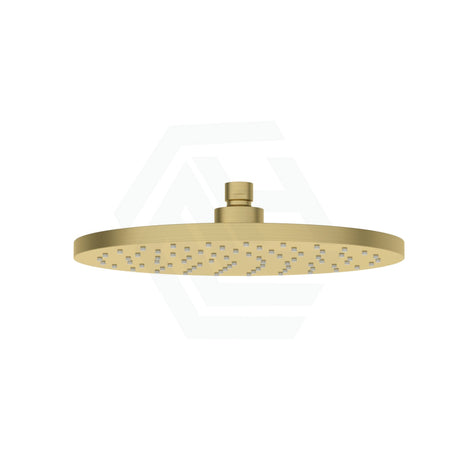
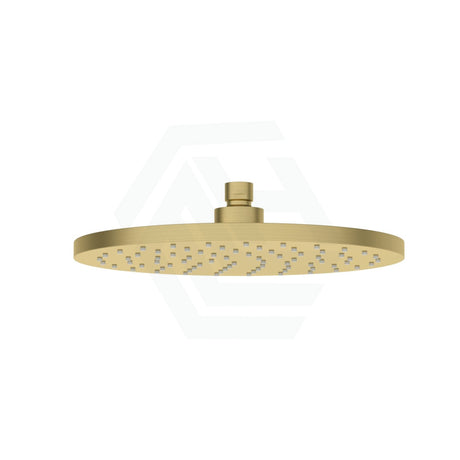
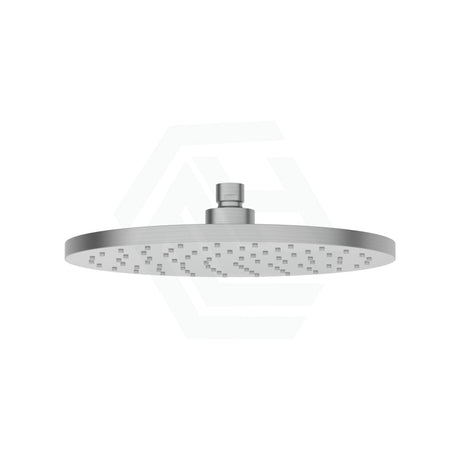
If you want ease of cleaning then consider the optional nano coating. Water beads up and rolls off, meaning fewer watermarks and soap scum build-up between cleans. Finishes have expanded significantly recently but Chrome is still the go-to choice, while Matt Black is having a bit of a moment (especially in contemporary bathrooms), with Brushed Nickel, Brushed Gold and Gunmetal Grey available on most ranges. You can also get your hardware finished to match your tapware.

Sizing, Installation and Construction Considerations
Standard Australian shower screens are 2000mm high, although many ranges offer 2100mm height to suit homes with higher ceilings. Width will vary depending on the shower alcove, corner or niche configuration and needs to be measured carefully before purchasing.
Installation should be done by a qualified tradie. Shower walls need to be waterproofed to 1800mm from the floor substrate. Most Australian states require a licensed waterproofer to carry out shower area waterproofing, and any new connection to the shower mixer must be done by a licensed plumber. Additionally, you need to consider the position of your wall hung vanity in relation to your shower screen — there are specific wall framing requirements for wall hung vanity installations, so check these before proceeding. The minimum clear opening for bathroom doorways in new builds is 820mm. Your shower base and drains are separate to your shower screen and should be planned into your project budget.
The right shower screen type for you depends on your budget, space and the time you are prepared to spend keeping your shower area clean. A framed sliding shower screen is priced from $130 to $600, a very affordable option for renovation projects, while a semi-frameless sliding shower screen ranges from $600 to $1,200 for a mid-range renovation. Frameless walk-in or pivot shower screens range from $1,200 to $2,550 and up. Installation time varies depending on configuration but two to four hours is a good rule of thumb for a standard configuration.
If you are renovating a full bath shower suite, consider all wet area aspects together — think about the types of shower screens in relation to tap finish and screen size. If you want to pair your frameless or semi-frameless shower screen with a freestanding bath, plan around this and get all measurements beforehand. For a bath shower combination, screen configuration and available floor space must both be considered early. Configuration, glass specification and hardware finish are all separate decisions — understand them so that when you walk into a showroom you can confidently choose the best screen for you, from a budget-priced framed option to a 10mm frameless walk-in.
References
AS/NZS 3000:2018 Electrical Installations (Wiring Rules), Standards Australia
National Construction Code 2022, ABCB Housing Provisions, Part 10.2 Wet Areas
AS 3740:2021 Waterproofing of Domestic Wet Areas, Standards Australia
National Construction Code 2022, ABCB Housing Provisions, Part 12.2 Livable Housing