19 June, 2026
Bathtub Meaning: a Plain Aussie Explanation
Get the full bathtub meaning — types, specs, and layout tips every Australian renovator needs to plan their bathroom with confidence!

Video Credit: The Home Depot
Right Then — What Even Is a Bathtub?
At its core? A bathtub is a fixed, water-retaining vessel purpose-built for full-body bathing. Dead simple. No jargon, no waffle. Before any bathroom reno gets underway, it's worth knowing that National Construction Code documentation, product specs, and plumbing compliance certificates all use this term — and its precise meaning matters.
A standard bathtub has four key parts. First up: the basin — that's the hollow body that holds the water. The overflow sits near the top rim — a small opening that keeps the tub from flooding when the tap's been left on. Your home's drainage system connects to the waste outlet, which sits at the base of the basin. A tap deck — where it exists — is the flat ledge or rim that bath spouts and mixers bolt onto. Many bathtubs skip the tap deck altogether — freestanding models are a prime example, usually paired with a separate floor-mounted or wall-mounted bath spout.
One small distinction's worth flagging here. In Australian product listings, "bath," "bathtub," and "soaking tub" are thrown around fairly interchangeably. For everyday conversation, "bath" does the job. "Soaking tub" tends to pop up in premium or Japanese-inspired ranges — the extra depth is the whole point, for a proper immersive soak. On NCC documentation and licensed plumber compliance certificates, "bathtub" is what you'll see — it's the formal term. Handy to know once quotes and building plans start turning up.
Definition sorted, terminology covered — now for the types on the market, because "bathtub" spans a far wider range of products than most buyers realise.

Types of Bathtubs Explained
Think of the Australian bathtub market as four broad categories, each with its own installation logic, space requirements, and price point.
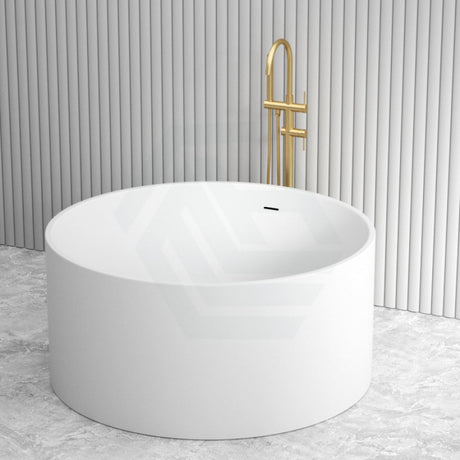
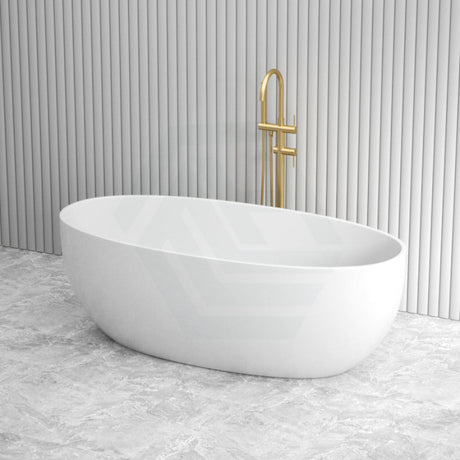
Freestanding bathtubs are the design centrepiece of a bathroom — they stand independently on the floor with finished surfaces on all sides. They require a minimum of 1,800 mm of clear floor space and are not suited to compact bathrooms. Prices range from $878 to $7,182, with brands like Broadway and Poseidon offering strong options across that range. Because they sit away from walls, plumbing connections are more visible, so floor-mounted or wall-mounted bath spouts are typically specified (sold separately — always confirm this before purchasing).
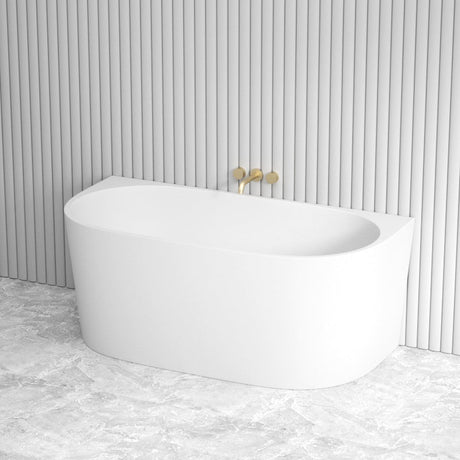
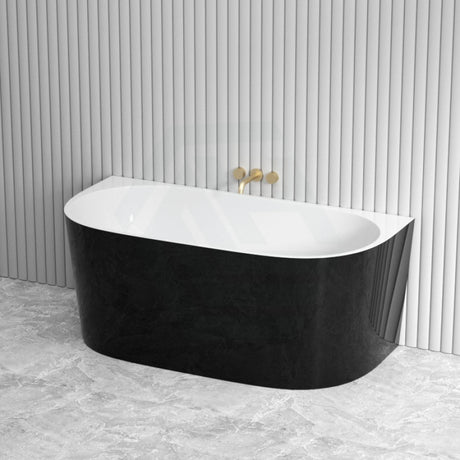
Built-in alcove bathtubs slot into a three-wall recess. They are the most practical choice for standard Australian bathrooms, with a sealed surround that makes waterproofing straightforward. Drop-in models sit into a tiled deck or platform, offering a sleek look at a more accessible price — typically $312 to $1,184. Corner bathtubs fit diagonally or squarely into a corner, making clever use of floor space, and generally range from $958 to $2,085. Back-to-wall bathtubs have one flat side designed to sit flush against a finished wall, combining a contemporary look with a relatively compact footprint — budget around $938 to $2,085 for those.
Knowing which type suits your bathroom is only half the picture — you also need to confirm the numbers stack up, so let's look at the standard dimensions and material specs that determine whether a tub will actually fit and perform in your space.

Key Bathtub Specs and Measurements
Standard Australian bathtub lengths run at 1,500 mm, 1,675 mm, and 1,800 mm. The 1,500 mm length is the practical minimum for adult bathing — anything shorter and comfort becomes a real issue. Width typically falls between 700 mm and 900 mm, and internal depth ranges from 350 mm to 500 mm, with deeper vessels offering that genuinely immersive soak.
Material matters enormously here. Acrylic is the dominant choice — lightweight, warm to the touch, and the most affordable. Cast iron retains heat exceptionally well but is heavy, often exceeding 100 kg, meaning a structural assessment of the bathroom floor must be conducted before installation. Stone resin also offers excellent heat retention, sits in the mid-to-high price range, and carries a substantial feel. A qualified structural engineer or registered building practitioner can advise whether your floor can support cast iron or stone resin. Under NCC 2025, walls adjoining your bathtub must be water-resistant to a height of at least 150 mm above the bathtub rim. Bath outlets must also be hot-limited to a maximum of 50°C, which your licensed plumber will ensure is achieved.

Choosing the Right Bathtub for Your Bathroom
Grab a tape measure and do your own measurements first. Door clearance needs a check too — make sure they can swing open freely, and that your existing plumbing rough-ins line up with your chosen bathtubs. Waste outlet position catches people out more than anything else — skip that check and unexpected costs and delays are pretty much guaranteed.
Your bathtub's sticker price is just the start — there's more to budget for. Waterproofing (required under AS 3740:2021, and must be completed before any back-to-wall bathtub installation proceeds), tiling, and plumbing all need their own budget line. Every Australian state and territory requires a licensed plumber for water supply, waste, and overflow connections — a compliance certificate comes with the job, so ask for your copy. Got jets? A licensed electrician is mandatory — jet pump wiring is nowhere near DIY territory. Ask whether a pop-up waste is included, and the same goes for a bath spout or mixer — nine times out of ten, those are separate purchases. Compliance requirements, fitout costs, the lot — get your head around all of it upfront and your budget will actually hold from day one.

How to Plan Your Bathroom Layout Around Bathtubs and Bath Vanities
The bathtub and bath vanity are separate, complementary fixtures — not alternatives to each other. The bathtub is your bathing vessel. The bath vanity is where your basin sits and where toiletries are stored. Allow a minimum of 600 mm of clear space between your bathtub and your bath vanity to permit easy movement through the bathroom. In a smaller bathroom, a wall-hung vanity can help create a sense of additional space.
Wall and floor tiling follows the bathtub install — especially for alcove and back-to-wall bathtubs, which go in first. Once tiling's done, the vanity goes in. Run this sequence past your licensed plumber and tiler before work starts — it'll save you from costly errors. Your vanity width has a direct bearing on how much floor space is left and what size bathtub will actually fit. Take a bathroom that's 2,400 mm wide — a 750 mm bath vanity leaves far more room around the tub than a 1,200 mm vanity ever would. Measure everything and plan it out before you buy your bathtub or bath vanity — the bathtub meaning stretches further than the product itself; it's about how every fixture sits within the overall layout.
References
National Construction Code 2025, ABCB Housing Provisions, Part 10.2 Wet area waterproofing
AS 3740:2021 Waterproofing of Domestic Wet Areas, Standards Australia
AS/NZS 3500.4:2025 Plumbing and Drainage — Heated Water Services, Standards Australia
State and territory plumbing licensing authorities (Building and Plumbing Commission Victoria; Building Commission NSW / NSW Fair Trading; Queensland Building and Construction Commission; Plumbers Licensing Board Western Australia (administered by Building and Energy); Consumer, Building and Occupational Services Tasmania; Access Canberra ACT; Office of the Technical Regulator / Consumer and Business Services South Australia; Plumbers and Drainers Licensing Board Northern Territory)
AS/NZS 3000:2018 Electrical Installations (Wiring Rules) (incorporating Amendment 3:2023), Standards Australia