

31 March, 2026
Types of Bathtubs: A Complete Size and Style Guide for Australia
Discover the main types of bathtubs in Australia: alcove, freestanding, drop-in and more. This guide covers popular sizes, styles and tips to choose the perfect bathtub for your bathroom space and needs.

Bathtubs come in a variety of shapes, sizes, and styles, and you have to consider all of these factors when selecting the right one for your bathroom. There’s your space to think about, the plumbing situation, your lifestyle, and of course, the budget. This guide will take you through the most common types of bathtubs, help you work out the right size, and share some tips on keeping your tub looking its best for years to come.
Built-in bathtubs and the classic alcove
The built-in or alcove bathtub is the most common type of bathtub you’ll find in Australian homes, and it is surrounded by three walls. Alcove bathtubs are affordable, easy to install, and lightweight since they are mostly made of acrylic material. If you’re working with a standard bathroom layout, this is probably what you already have, and replacing it is usually a simple job for your plumber.
Drop-in bathtubs are another built-in option. These bathtubs are installed by being lowered into a platform called a surround or deck. They are ideal for bathrooms with enough space to build a platform. You can tile the surround to match with other parts of your bathroom. They require a bit more planning during renovation, but the end result can feel quite luxurious even on a modest budget.

Freestanding bath ideas that make a statement
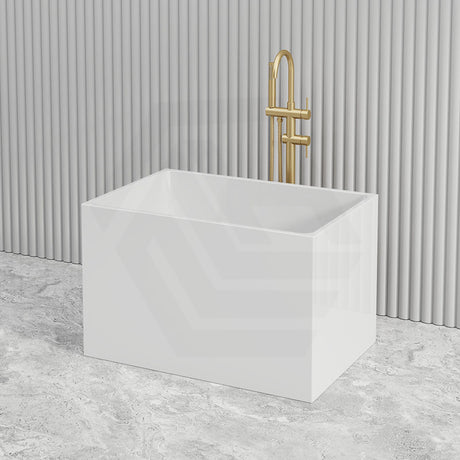
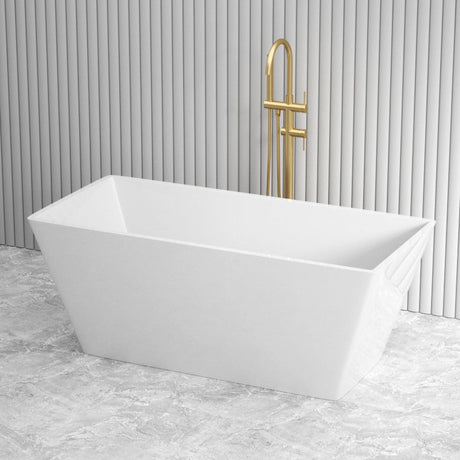
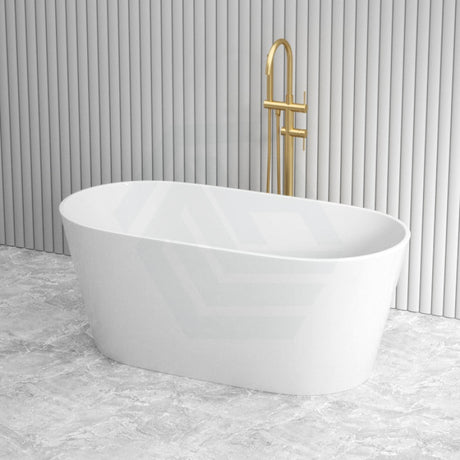
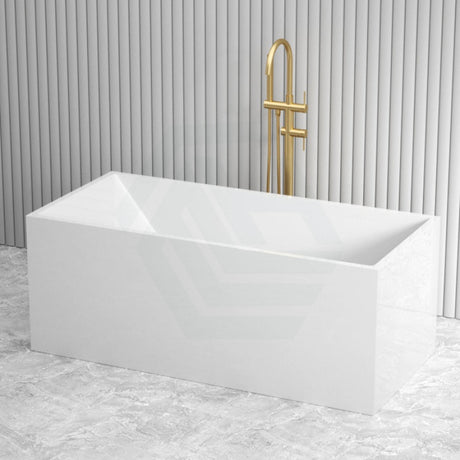
Freestanding bathtubs sit on the floor and can be placed anywhere in the bathroom. They are aesthetically pleasing and can instantly enhance the look of your bathroom. Think of a white oval tub positioned beneath a skylight or next to a floor-to-ceiling window. That kind of moment is what makes a renovation worth doing.
Modern freestanding bath ideas range from sleek minimalist ovals to sculptural egg-shaped designs, as well as more traditional styles like clawfoot tubs, which add a touch of vintage character while still functioning beautifully in contemporary spaces. Freestanding bathtubs come in various shapes, sizes, and materials, such as stone resin, solid surface, cast iron, and copper. However, their installation requires the services of a professional plumber since the plumbing has to be fitted through the floor. Freestanding bathtubs can be heavy when filled with water, so it is essential to ensure that your floor can support the additional weight. Your builder or plumber can advise on whether you need additional structural support.

Getting the size right for your bathroom
Bathtubs in Australia come in different sizes, ranging from 1500mm to 1800mm in length. The standard width of a bathtub is between 700mm to 800mm. Compact bathtubs are ideal for small bathrooms since they maximise space while providing ample room for bathing. Standard bathtubs are perfect for average-sized bathrooms and are the most common bathtub size in Australia. This is one of the first things to sort out when comparing bathtub sizes Australia wide.
When looking at bathtub sizes Australia retailers list, it’s important to consider the depth as well. While a deeper bath will hold more water and offer more immersion when lying back, it will also take longer to fill and requires more hot water. The ideal depth for most is somewhere between 400mm and 450mm. Taller bathers should opt for a bath with a minimum length of 1700mm to prevent the knees from poking out of the water.

Keeping your bathtub looking its best
Whatever the beauty of your bath, it will lose its shine if not properly cared for. Knowing how to clean bathtub surfaces properly will depend on the type of bathtub material. For an acrylic bath, simply use a soft cloth and warm soapy water. Avoid using harsh chemicals or abrasive scrubbers as they will scratch the surface and dull the sheen over time. For cast iron or enamel baths, a mixture of water and baking soda is ideal for removing minor stains without damaging the enamel.
If you’re faced with particularly stubborn mineral build-up or yellowing, turn to white vinegar. Simply spray, wait 15 minutes and wipe clean. The basic rule for learning how to clean bathtub materials is to start with the mildest method and only step up if necessary. Regular maintenance is key to keeping your bath looking its best.

Choosing the perfect bathtub for your space
Once you know it’s time to purchase, the different types of bathtubs can be a little daunting. Begin by identifying which style will best fit your bathroom floor plan. Freestanding baths offer a beautiful focal point for larger bathrooms while an alcove or small corner soaker tub are perfect for smaller spaces.
Have a look at bath tubs Australia retailers have to offer to see the full spectrum of styles. If you’re after a deeper bath, soaker bathtubs are specifically designed for this purpose, featuring deeper sides and a more curvaceous shape. Alternatively, round bathtubs offer a striking alternative perfect for larger bathrooms or as a feature of an open plan en-suite.