• 365-Day Easy Returns & Refunds

    (*Terms and Conditions Apply)

  • Chat with a Live Specialist

    Available 9am–10pm (Mon–Fri)

  • Price Beat Policy

    Your wallet deserves the best deal.

  • Outstanding Google Reviews

    Because great service speaks for itself!

NEW YEAR SALE
Ends Soon: 00 DAYS 00 HRS 00 MINS 00 SECS

Bidets for Australian Bathrooms

Discover bidet solutions designed to improve everyday hygiene and comfort. From simple bidet sprays and smart bidet seats to standalone ceramic bidets, MyHomeware offers options to suit modern Australian bathrooms and plumbing standards.

Why Use a Bidet?

Bidets offer a cleaner, gentler and more eco-friendly alternative to toilet paper. Instead of wiping, you rinse with water, which reduces irritation and removes residue more effectively. For many people with sensitive skin or conditions like hemorrhoids, bidets provide noticeable comfort and hygiene benefits.

Non-electric bidets are simple. They don’t use power and rely only on your home’s water pressure, but they still spray water effectively and clean you well.

Electric bidets do more of the work for you. They plug into a power point and can warm the water, heat the seat, move the nozzle into the right spot, and even blow warm air to dry you.

Bidets vs Toilet Paper vs Wet Wipes

Bidets provide a more thorough clean, as water can remove residual mess that toilet paper often misses. Some studies suggest bidets may reduce irritation caused by wiping, which is especially beneficial for those with sensitive skin or conditions like hemorrhoids. Bidets are gentler on the skin compared to toilet paper, leading to less discomfort and inflammation.

Toilet paper is still the most common choice in Australia, but it often leaves traces behind and uses a lot of trees, water, and energy to produce. Wet wipes, though more effective than toilet paper, can irritate the skin due to chemicals like fragrances and preservatives. Additionally, many wet wipes don’t break down easily, causing plumbing issues when flushed.

A bidet gives you a gentle, fresh wash without the problems linked to wipes or the limitations of toilet paper. It’s one of the most effective ways to stay clean every day.

Bidet Toilet Paper Wet wipes

✅ Clean with water ❌ Can irritate skin ❌ Often contain

✅ Gentle on skin ❌ Leaves residue ❌ Chemicals

✅ Eco-friendly ❌ Produces waste ❌ Can clog plumbing

How to Choose a Bidet: Video Guide & Tips

Choosing a bidet becomes easier once you understand the key features. These videos walk you through the options so you can find the best fit for your home and household.

What Types of Bidets Are Available?

Bidets come in several styles, each offering a unique mix of features and installation needs, from simple attachments to full standalone units. Let’s compare the main types to help you choose.

Smart Bidet Toilet Seats

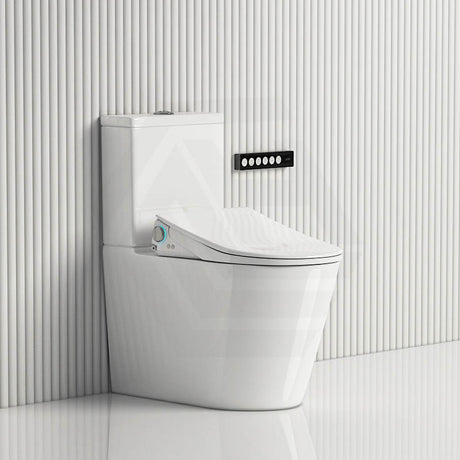
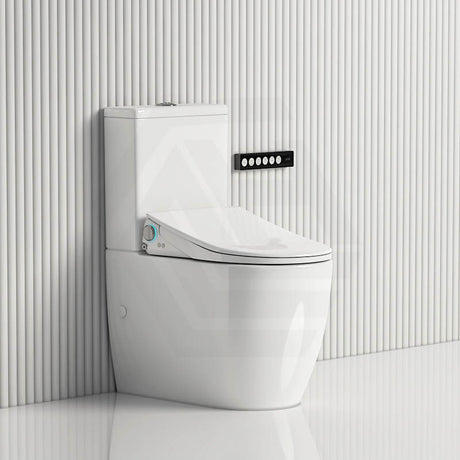
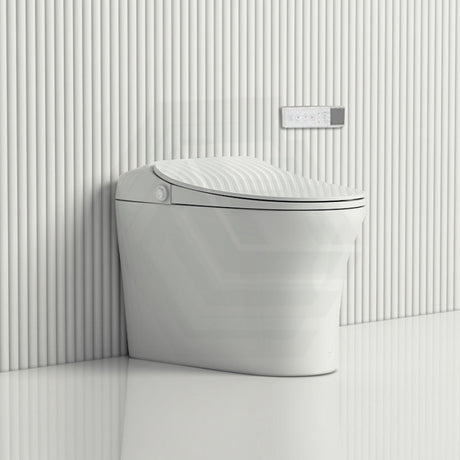
Smart toilet seat bidets replace your normal toilet seat and add helpful features like warm water, a heated seat, moving nozzles and air drying. They feel comfortable and easy to use. These bidet toilet lids are very popular in Australia because they’re simple to install and offer many features.

Recommended Products

Shop More

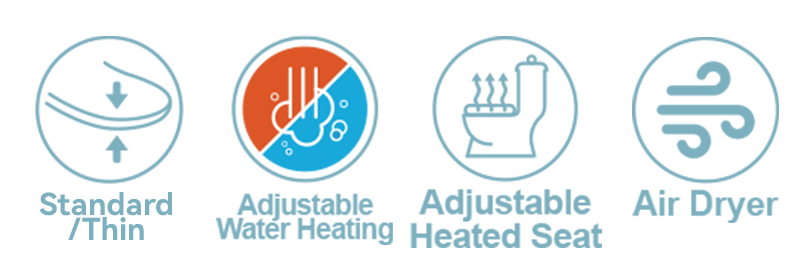
Smart Bidet Seat Key Features

  • Adjustable water temperature

    Many electric bidets warm the water for comfort.

  • Heated seat

    High-end models include a seat that warms up automatically.

  • Self-cleaning nozzles

    The spray wand cleans itself before and after each use.

  • Position control

    You can adjust the nozzle’s position for more precise cleaning.

  • Dryer function

    Electric bidets often include a warm-air dryer to reduce or eliminate toilet paper use.

  • Deodorizer

    Some models include a built-in deodorizer that filters and neutralizes odors.

How to Use a Bidet Seat

Using a bidet seat is simple once you know the steps. It cleans with water instead of just wiping, giving you a fresher feeling. Here’s how to use one correctly.

1. Use the toilet first. 

After using the toilet, you may do a light wipe to remove most residue before washing.

2. Get into a comfortable position. 

Sit or lean forward a bit so the water can reach the right area without trouble.

3. Turn on the water gently. 

Start the spray at a low pressure so it feels comfortable, then adjust the strength as needed.

4. Let the water clean you. 

Keep the spray running for a few seconds and adjust if you need more reach or comfort.

5. Dry yourself. 

Dry yourself with a little toilet paper, or use the built-in dryer if your bidet seat includes one.

How to Check If Your Toilet Is Compatible

To make sure your new bidet seat fits well, start by checking a few key measurements on your toilet.

The most important one is the distance between the two seat bolt holes, as well as the distance from the bolts to the front edge of the bowl.

Most Australian toilets follow standard bolt spacing, but measuring ensures the bidet brackets can be installed securely.

Next, check that there is enough clearance around the hinges and sides for the bidet’s mounting hardware, spray nozzles and water hose.

Electric bidet seats also need a nearby power outlet, ideally within safe reach.

Handheld bidet sprayers and simple non-electric attachments generally fit most Australian toilets, as long as the water supply can accommodate a T-valve or appropriate backflow prevention device.

How Do You Install and Maintain a Bidet

Most types of bidets follow the same simple steps. These steps work for basic attachments, non-electric seats, and even smart seats that need power.

Bidet Installation Guide (For Bidet Seats & Attachments)

Installing a bidet is easy and can be done in just a few simple steps. Here’s how to get it set up quickly and safely.

  1. Turn off the water supply to ensure it’s safe to disconnect the toilet hose.
  2. Remove the toilet seat and clean the area so the new bidet can sit flat and firm.
  3. Remove the hose from the toilet inlet, fit the T-valve in place, and reconnect the hoses. This ensures proper water flow to the bidet.
  4. Install the required backflow prevention device (as required under local plumbing regulations). Your licensed plumber will select the correct device to protect your drinking water.
  5. Connect the bidet hose to the T-valve and the bidet, tightening it by hand to avoid leaks.
  6. Place the bidet seat or attachment over the mounting holes and make sure the brackets line up properly.
  7. Tighten the bolts so the bidet stays steady and doesn’t move.
  8. Turn the water back on and test the spray. If it’s a smart bidet, plug it in and check the warm water, heated seat or any extra features.

Attention:
• Installation must be carried out by a licensed plumber. Incorrect installation may cause contamination of drinking water, breach AS/NZS 3500 plumbing standards, or void your home insurance.
• Ensure your bidet is connected to a potable water supply. Connecting to non-potable or recycled water can lead to hygiene and health risks.

Cleaning and Maintenance Tips

1. Wipe the seat and exterior with a soft cloth and mild soap.

2. Avoid bleach or harsh chemicals that can damage plastic parts.

3. Give the nozzles a manual rinse occasionally, even if they self-clean.

4. Check hose connections every few months to ensure nothing has loosened.

5. Clean around sensors gently if you use a smart bidet.

6. Keep the area dry to prevent mold or mineral buildup.

You May Also Like: More Bidet Tips & Guides

Learn, Compare & Install with Our Expert Bathroom Guides

FAQ About Bidets

What Is a Bidet?

A bidet is a bathroom fixture or add-on that cleans you with a gentle stream of water after using the toilet. Instead of wiping with toilet paper, the bidet uses water pressure or a small nozzle to do the cleaning. Today, many types are used in Australia, including bidet toilet seats, handheld sprayers, simple attachments, portable travel bidets and full smart bidet toilets.

Is bidet spray illegal in Australia?

No, bidet sprays are legal in Australia, but they must comply with plumbing regulations. Australian Standard AS/NZS 3500 requires proper backflow prevention to protect drinking water. Most states require installation by a licensed plumber and the use of an approved bidet spray with a vacuum breaker or dual check valve. Always check local council or state plumbing rules before installation.

Are bidets safe?

Yes, bidets are safe to use. They clean with water, which is gentle on the skin and often more comfortable than wiping. Modern bidets also have features like self-cleaning nozzles and controlled water pressure to keep things hygienic and easy to use. As long as the bidet is installed correctly, it’s a safe and reliable part of everyday bathroom use.

Can you install a bidet on any toilet?

In most cases, yes. You can install a bidet on many standard toilets. Bidet seats, attachments and handheld sprayers are made to fit the common toilet shapes used in most homes. You just need to check the bowl shape, the space around the seat, and whether there’s room for the brackets and hoses.

Electric bidet seats also need a nearby power outlet. As long as your toilet has the right shape, enough space and proper water access, a bidet will usually fit without any trouble.

Do bidet toilets need a separate water connection?

Most bidet toilets don’t need a separate water connection in the sense of a new supply line—most models tee off the existing toilet’s cold-water feed and connect directly to the water supply.

Can you install a bidet on a concealed toilet?

Yes—often, but it depends on access to a suitable water connection point. With concealed/back-to-wall toilets, the supply is usually hidden, so a plumber may need to tee off the inlet inside the cistern or create an accessible connection behind the pan or in the wall. In Australia, you’ll typically also need compliant backflow prevention, which can affect the setup and parts used.

How does an in-wall bidet system work?

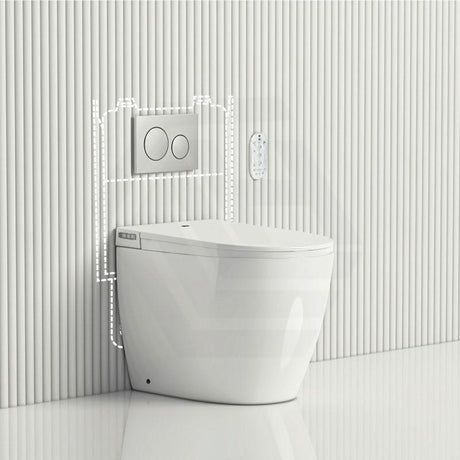
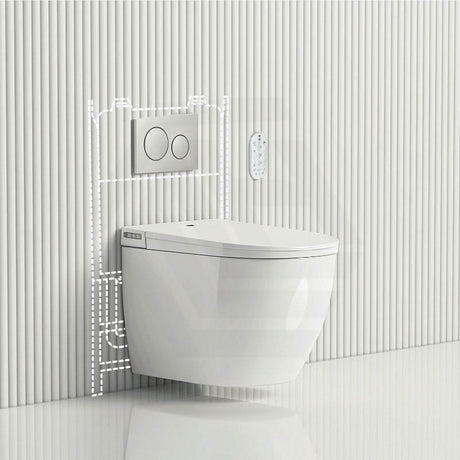
An in-wall (concealed) bidet system hides the water supply, mixer/thermostatic valve, and pipework inside the wall cavity. You control water temperature and pressure via a wall plate or mixer, which feeds a bidet spray wand or outlet at the toilet.

Do bidet seats require professional installation in Australia?

Often, yes—especially if installation involves changing plumbing connections or adding a backflow prevention device. In Australia, plumbing work that connects to the water supply typically must be done by a licensed plumber to meet regulations and prevent contamination risks. Some simple seat swaps may look easy, but compliance and correct fittings are important, so professional installation is usually recommended.

Do I need an RPZ valve for a bidet in Australia?

Yes—most bidet sprays, seats, and attachments in Australia require compliant backflow prevention to protect drinking water. Under Australian Standard AS/NZS 3500, any device connected to the water supply that could cause backflow must use the correct backflow prevention method.

For handheld bidet sprays, this is usually a testable RPZ valve, vacuum breaker, or a dual-check valve, depending on the product’s WaterMark rating and risk category. Smart bidet seats often include built-in backflow protection, but installation must still be completed by a licensed plumber to ensure compliance.

Always check the product’s WaterMark certification and follow local plumbing regulations to avoid fines, health risks, or voided insurance.

How to install bidet spray Australia?

Installing a bidet spray in Australia is fairly simple, but it must follow local plumbing rules.

1. First, turn off the water supply at the wall valve.

2. Unscrew the hose that connects to the toilet tank.

3. Fit a T-valve (or bidet dual connector) to the outlet, then reconnect the toilet hose to the top of the T-valve.

4. Attach the bidet spray hose to the side outlet of the T-valve and tighten it by hand.

5. Turn the water back on slowly and check for leaks.

6. If everything is tight and working, mount the spray bidet holder on the wall or the side of the toilet.

In Australia, the spray must include RPZ backflow protection, so always choose a product that meets Australian plumbing standards (AS/NZS 3500).

Can landlords allow bidet installation in Australia?

Yes—landlords can allow bidet installation, but permission is required because it involves plumbing work and potential changes to the property. In Australia, any bidet spray, seat, or attachment must be installed by a licensed plumber and must comply with AS/NZS 3500 backflow requirements.

Landlords often approve installations as long as:

  1. The tenant uses a licensed plumber.
  2. The product is WaterMark certified.
  3. The installation does not damage existing fixtures.
  4. The tenant agrees to restore the property if they move out (if requested).

Tenants should always obtain written approval from the landlord or property manager before booking a plumber.

How do you use bidet spray after pooping?

After pooping, remain seated on the toilet and gently spray warm or room-temperature water to clean the anal area. Adjust water pressure slowly to avoid splashing. Clean from front to back for hygiene. Once clean, pat dry with toilet paper or a towel. Turn off the spray completely and ensure there are no leaks.

What pressure should a bidet spray have for comfortable use?

For comfortable use, a bidet spray should deliver low to moderate pressure, typically around 200–300 kPa at the spray outlet. This range is strong enough for effective cleaning while remaining gentle on the skin. Users should always start at the lowest setting and increase gradually, as comfort levels can vary based on sensitivity and control of the hand-held trigger.

Are bidet seats hygienic to use?

Yes—bidet seats are generally hygienic because they clean with fresh water instead of relying only on toilet paper, which can leave residue. Many models use features like self-cleaning nozzles and adjustable spray pressure to reduce splash and contact. For best hygiene, wipe the seat as normal, clean the nozzle periodically, and follow the manufacturer’s cleaning instructions.

Can you use recycled water for a bidet?

No, bidets must be connected to potable (drinking) water only.

Recycled water comes from non-potable sources like wastewater, rainwater, and greywater. Connecting it to a bidet can lead to health risks, such as bacterial contamination and skin irritation. It may also cause drinking water contamination if backflow occurs, violate plumbing codes, and void your home insurance due to non-compliance with safety standards.

To avoid incorrect installation, always ask the builder or strata about the water system, look for purple pipes or "non-potable" labels, and hire a licensed plumber to inspect the installation.

Can a non-electric bidet attachment use warm water?

Yes, but it depends on the model and plumbing setup. Non-electric bidet attachments do not heat water themselves. Some models allow connection to a nearby hot water supply or include a hot-and-cold mixer, enabling warm water use. Models with only a cold-water inlet will provide cold water only.

Do freestanding bidets use hot or cold water?

Freestanding bidets can use cold water, warm water, or both, depending on how they’re plumbed. Many models connect to both hot and cold supply lines via a mixer tap, letting you adjust temperature like a basin. If only a cold line is available, it will rinse with cold water.

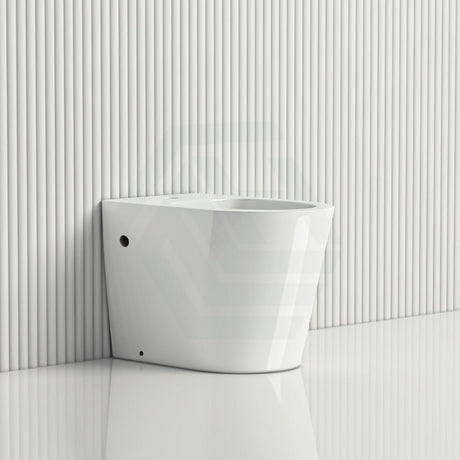
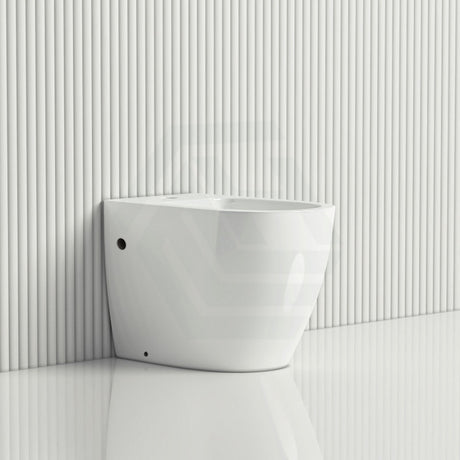
How does a freestanding bidet work?

A freestanding bidet works by using a dedicated water tap or mixer to deliver a gentle stream of water for personal cleansing after using the toilet. You sit or straddle the bidet, adjust the water temperature and pressure, and use the nozzle to clean.

Is a non-electric bidet attachment easy to install in?

Yes—physically it can be straightforward (most non-electric attachments tee off the toilet’s cold-water inlet), but in Australia it’s not always a simple DIY job because the connection must meet Plumbing Code / AS/NZS 3500 backflow (cross-connection) requirements. Depending on the product’s WaterMark/backflow design, an additional testable backflow device may be required and many installations should be done by a licensed plumber.

Do bidet toilets use a lot of water?

No, bidet toilets are designed to be water-efficient. Most models use significantly less water per wash than the amount required to produce toilet paper. In Australia, bidet toilets typically consume only a small, controlled volume of water for cleansing, and many feature adjustable pressure settings to minimise use while maintaining effective hygiene.

What Are the Pros and Cons of Using a Bidet?

A bidet has many benefits, but there are a few things to think about before choosing one. Here are the main pros and cons to consider.

Advantages include:

  • Improved hygiene and cleanliness
  • Reduced skin irritation compared to toilet paper
  • Lower household toilet paper consumption
  • Suitable for seniors, women, children and users with limited mobility

Disadvantages include:

  • Electric bidets require an accessible power outlet
  • Not all toilets are compatible with every seat design
  • Low-cost models may have restricted features
  • First-time users may require an adjustment period