05 March, 2026
Bathtub Meaning vs Spa Bathtubs Explained: A Product Buying Guide
Bathtub vs Spa Bathtub: Standard tubs offer simple soaking at lower cost. Spa bathtubs deliver jet massage luxury with heaters—but higher price and maintenance.

When homeowners want to renovate their master bathrooms, one of the most important decisions they will ever make is to upgrade their bathtubs. They are critical bathroom fixtures that people use to bathe and relax. However, they are not all the same.
The choice usually comes down to a bathtub or a spa bathtub. One might be better than the other for some people. It all depends on your particular preferences.

What is a Bathtub?
The term “bathtub” typically refers to the standard bathtub that you fill up with water, plug the drain, get inside, and wash and soak yourself in it. When you finish, you remove the plug to drain the water. Most Australian homes are built with these bathtubs in the master bathrooms.
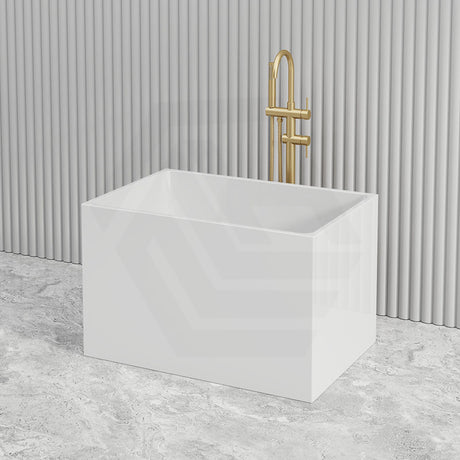
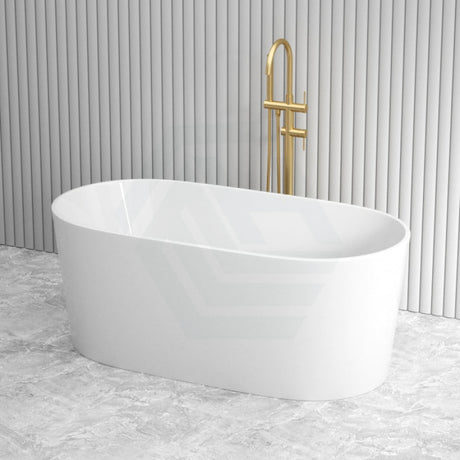
Standard bathtubs offer several design options, such as freestanding, alcove, and drop-in tubs. Homeowners on a budget will usually choose freestanding tubs because they are easier to install and don’t require any wall attachments. You can place them anywhere in the bathroom without a complex plumbing hookup. For compact layouts, many homeowners also look for tubs for small bathrooms, which are specifically designed to maximize space without sacrificing comfort.
Choosing the right bathtub material is another important consideration that you need to make. It can make all the difference in the world when it comes to retaining heat inside the bathtub. Here are the four most popular bathtub materials for retaining heat:
- Acrylic – This is the most popular material option. It is lightweight, affordable, and comes in a variety of shapes and sizes.
- Cast Iron – A classic material option for those who prefer the traditional heavy, durable bathtub. It will certainly keep water hot for a long period. Just keep in mind that it is the more expensive option.
- Stone Resin – A trending material option with a modern glossy finish (or high-quality matte) and superior heat retention.
- Copper – One of the less popular material options. Some people still like it for its rustic, vintage appearance.
Regardless of which option you choose, it is likely going to be cheaper than purchasing a spa bathtub. Any homeowner on a budget or who prefers simple baths will want a bathtub.
What is a Spa Bathtub?
Spa bathtubs are considered luxury bathroom fixtures. They feature high-powered jets, motors, pumps, heaters, and other critical hardware to circulate and move the water. The jets blast water onto your back muscles to soothe them and provide therapeutic relief. You can also use the spa bathtubs for washing, too.
Indoor spa bathtubs are different than traditional outdoor hot tubs. One of the biggest differences is that you drain the water from the spa bathtub after each use, just like with the regular bathtub. With outdoor hot tubs, you keep the water in them for months while treating them periodically. That is not how you would treat a spa bathtub.
Most Australian homeowners are less familiar with indoor spa bathtubs. They might not even realize that there are two main types of jet systems used in them. These systems include:
- Whirlpool Jets – Spa bathtubs with whirlpool jets feature an internal pump that draws water from inside the tub, forces it through a series of internal pipes, and then shoots it back out of the tub. People suffering from chronic muscle or joint pain might feel more relief from this form of hydrotherapy, as it provides a deep, targeted massage to the muscle tissue.
- Air Jets – Spa bathtubs with air jets use a motorized air blower to force heated air through several tiny holes along the bottom and sides of the tub. The result is thousands of tiny bubbles gently touching the skin for a lighter full-body relaxation experience.
All spa bathtubs include an on off switch and an electronic touch pad to control all the functions. It doesn’t require any special technical skill or knowledge to operate.

Side-by-Side Comparison Between a Bathtub and a Spa Bathtub
Here is a general breakdown of the primary features of each type of bathtub:
| Feature | Standard Bathtub | Spa Bathtub |
| Main Purpose | Washing and soaking the body. | Massaging and relaxing the body; good for washing, too. |
| Water Movement | Still water. | Jet-powered water movement circulation. |
| Installation | Requires standard plumbing installation with a drain and water supply; diverse models available | Requires more complex plumbing and electrical installation with pumps/heaters |
| Maintenance | A simple wipe-down with mild bathroom cleaner is usually sufficient. | Requires regular flushing; Must add special cleaning chemicals to remove moisture, mold, or biofilm trapped in the internal pipes. |
| Cost | More affordable bathtub and installation service | Higher bathtub and installation costs; You must hire an electrician to connect the electrical wiring; Expect higher monthly utility fees |
| Noise Level | Stay quiet after you turn off the water | Continuous noises of humming, vibrations, and water splashing |
| Bath Additives | Fully compatible with bath bombs, essential oils, Epsom salts, and soap. | Cannot use bath bombs, oils, or soaps; They clog the jets, internal plumbing, and motor. |
| Heat Retention | Depends on the tub material; Temporary heat retention | Maintain the same heated temperatures; Long-term retention |
Which is the Best Choice?
The best choice depends on your budget and personal preferences. The standard bathtub is the most popular choice because it is affordable, easy to install, and cheaper to maintain. The spa bathtub is better for those who have more money to spend on a luxurious, spa-like bathing experience.