





• 365-Day Easy Returns & Refunds

    (*Terms and Conditions Apply)

  • Chat with a Live Specialist

    Available 9am–10pm (Mon–Fri)

  • Price Beat Policy

    Your wallet deserves the best deal.

  • Outstanding Google Reviews

    Because great service speaks for itself!

Clearance Sales
Ends Soon: 00 DAYS 00 HRS 00 MINS 00 SECS

Toilets for Australian Bathrooms

Explore our range of toilets designed for Australian plumbing standards and everyday bathroom use. From back to wall and close coupled toilets to wall hung/in-wall toilet suites and smart toilets, Myhomeware offers practical, stylish solutions suited to Australian homes.

Whether you’re renovating, building new, or replacing an existing toilet, understanding toilet types, plumbing configurations and sizing will help you choose a toilet suite that suits your bathroom layout and existing plumbing.

Discover Toilet Suite Types at MyHomeware

Australian toilets are designed to suit a wide range of bathroom layouts, plumbing conditions and lifestyles. From simple, reliable designs to advanced smart toilets, our curated range helps you find the right balance of comfort, performance and long-term value.

By Installation Type

Installation type is the most common way toilets are classified in Australia. It affects how the toilet is installed, how plumbing is concealed, and how easy it is to clean and maintain.

Back to Wall Toilets

Back to wall toilets sit flush against the wall, concealing pipework for a clean, streamlined finish. They are a popular choice in modern Australian bathrooms due to their tidy appearance and ease of cleaning.

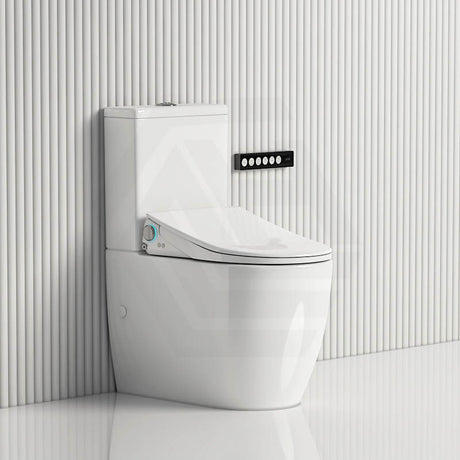
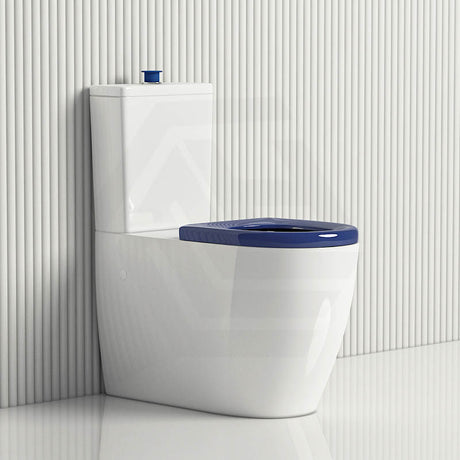
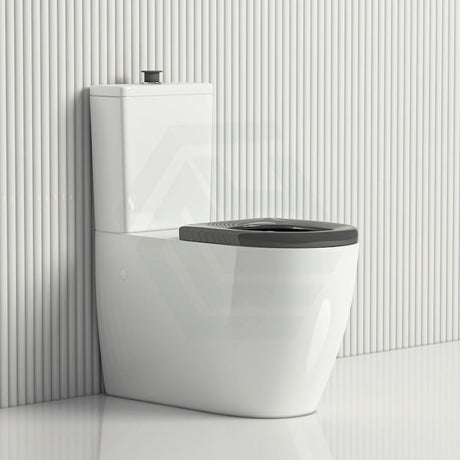
Close Coupled Toilets

Close coupled toilets feature a visible cistern mounted directly onto the pan. They are a practical and cost-effective option commonly found in Australian homes, particularly for straightforward replacements.

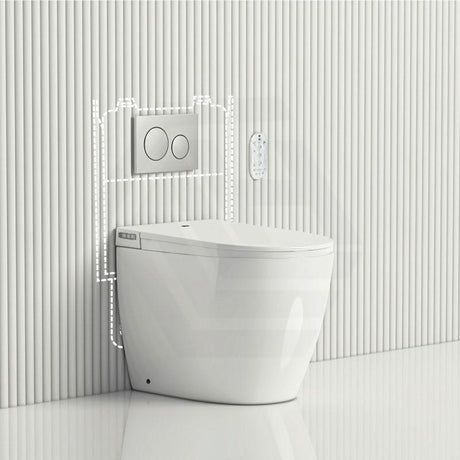
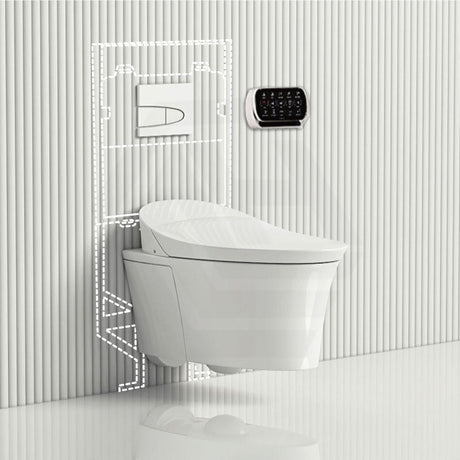
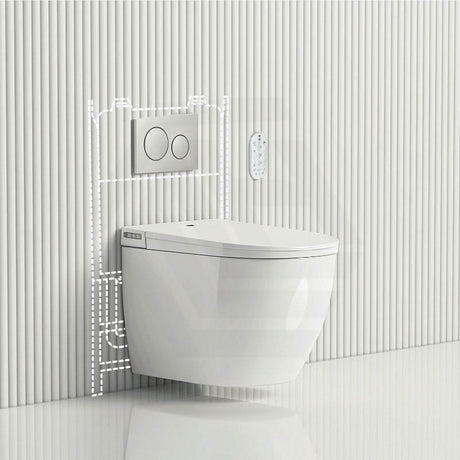
In-Wall Toilet Suites (Wall Hung & Wall Faced)

In-wall toilet suites feature a concealed cistern installed within the wall for a clean, modern finish. They are available in two pan styles:

· Wall Hung Toilets – Wall-mounted, floor-free design supported by an in-wall frame.

· Wall Faced Toilets – Floor-mounted pan installed flush to the wall, with the cistern concealed in-wall.

Link / Connector Toilets

Link or connector toilets connect the cistern and pan using a pipe. This design allows greater flexibility where standard toilet configurations are not suitable.

Skew Trap Toilets

Skew trap toilets are designed for angled or offset waste outlets, making them ideal for bathrooms with challenging or non-standard plumbing layouts.

How to Choose the Right Toilet – An Australian Guide

Choosing the right toilet in Australia involves more than just selecting a style. Understanding your plumbing setup, bathroom layout and everyday use will help you avoid installation issues and ensure long-term comfort.

Toilet Sizing & Measurements

Accurate measurements are the most important part of choosing the right toilet in Australia. Getting the measurements wrong is one of the most common reasons a toilet cannot be installed without additional plumbing work.

Follow the steps below to measure correctly and ensure your new toilet suite fits your bathroom and existing plumbing.

Step 1 - Identify the Trap Type and Measure the Set-Out

In Australia, toilets typically use S-trap or P-trap configurations. Identifying the correct trap type is the first and most critical step before choosing a toilet.

S-trap toilets discharge waste through the floor. The key measurement is the set-out, which is the distance from the finished wall surface to the centre of the waste outlet.

Most modern S-trap toilets supplied in Australia feature cut-to-length or adjustable S-traps, allowing flexibility during installation. In practice, many models can accommodate a set-out range of approximately 100 mm to 220 mm, depending on the toilet design and manufacturer.

Correct set-out alignment remains important, particularly when replacing an existing toilet. While minor variations can often be managed by a licensed plumber, significant deviation outside the recommended range may require plumbing modification or an alternative toilet configuration.

How to measure:Measure from the finished wall surface (not the skirting board) to the centre of the waste outlet or fixing bolts.

P-trap toilets discharge waste through the wall rather than the floor. Instead of a floor set-out measurement, the key consideration is the position and height of the wall outlet relative to the toilet pan.

P-trap configurations are commonly used in wall hung toilet installations and modern bathroom designs where a concealed or wall-mounted plumbing layout is preferred.

When replacing an existing P-trap toilet, correct alignment with the wall outlet is essential. While minor adjustments may be possible, a licensed plumber can advise whether modifications are required to suit the selected toilet.

Tip: If you are unsure whether your toilet uses an S-trap or P-trap, a quick visual check — or a photo shown to your plumber or bathroom supplier — can help confirm the configuration.

Step 2 - Check the Water Inlet Position

Before choosing a toilet, check how the water supply connects to the cistern.

Bottom inlet toilets connect near the floor and are the most common option in Australian homes.

Back inlet toilets connect through the wall and are often used with concealed or in-wall cisterns.

If the inlet position does not match the toilet design, additional plumbing work may be required.

Tip: Take a photo of the existing inlet position before removing your old toilet.

Step 3 - Measure the Projection (Depth)

Projection refers to how far the toilet extends from the wall into the bathroom. This affects comfort, movement space, and overall layout.

Short projection toilets (around 600 mm or less) are ideal for small bathrooms and powder rooms.

Standard projection toilets (600–660 mm) suit most Australian family bathrooms.

Larger projection toilets provide a more spacious seating position where space allows.

Step 4 - Consider Toilet Height

Toilet height plays a key role in everyday comfort.

Standard height toilets suit most users.

Comfort height (also called easy height) toilets are slightly taller and make sitting and standing easier, especially for taller users, seniors, or those with limited mobility.

Junior toilets are designed at a lower height for children.

Step 5 - Consider Pan Shape

Pan shape affects both comfort and ease of cleaning.

Round pans are compact and suit smaller spaces.

Elongated pans offer improved seating comfort.

Rimless designs are easier to clean and promote better hygiene.

Step 6 - Check Cistern and Wall Space

Wall space and available clearance should be considered when selecting certain toilet installation types.

Wall hung toilets require sufficient wall cavity depth to accommodate an in-wall cistern and supporting frame, as well as adequate structural support.

For back to wall toilets, clearance behind the pan is required to house the cistern or rear enclosure, without the need for a full in-wall system.

A licensed plumber can assess wall structure, available space, and overall compatibility before installation.

Final Check Before You Buy

Once your measurements are confirmed, you can confidently choose a toilet suite that suits your bathroom layout, plumbing configuration, and everyday needs. Measuring carefully upfront helps avoid installation issues and ensures long-term comfort.

Installation & Maintenance Guidance for Your Toilet

Proper installation and regular maintenance are essential for reliable performance and long-term durability.
Toilet installation requirements can vary depending on the installation type, plumbing configuration, and local regulations. In Australia, installation by a licensed plumber is strongly recommended and may be required to ensure compliance, warranty validity, and insurance coverage.
Installation performed by an unlicensed person may affect product warranties and could impact home or contents insurance in the event of water damage or related claims.
The information below is provided as general guidance only and should not replace professional installation advice.

Toilet Installation – General Overview

Step 1. Prepare the Space

Turn off the water supply, drain the existing toilet if applicable, and ensure the installation area is clear and accessible.

Step 2. Remove the Existing Toilet

Disconnect the water connection, remove fixing bolts, and lift away the old toilet pan and sealing components.

Step 3. Check the Plumbing Connection

Inspect the waste outlet or flange for damage, confirm the correct trap type and set-out, and ensure proper alignment before installation.

Step 4. Position and Secure the Toilet

Carefully position the toilet, secure it in accordance with manufacturer guidelines, and install the cistern where applicable.

Step 5. Test and Finalise

Reconnect the water supply, test flushing performance, and check thoroughly for leaks before completing the installation.

For product-specific instructions, measurements, and compliance requirements, always follow the manufacturer’s installation guide or consult your licensed plumber.

Maintenance Tips

· Clean Regularly

Clean the bowl and exterior surfaces routinely to maintain hygiene and appearance.

· Disinfect High-Touch Areas

Pay particular attention to the seat, flush buttons, and handles.

· Prevent Blockages

Only flush toilet paper and approved materials to reduce the risk of clogs.

· Check for Leaks

Periodically inspect around the base, cistern, and water connections for any signs of leakage.

· Inspect Flush Components

Check internal components such as valves and seals periodically and replace worn parts promptly.

· Manage Mineral Build-Up

In hard water areas, occasional descaling can help maintain efficient flushing performance.

Top Picks – Toilets by MyHomeware

Explore a selection of popular toilet suites selected by MyHomeware based on common Australian installation requirements, water efficiency standards, and everyday performance.

Compare & Choose the Toilet that Suits Your Bathroom

Product Name

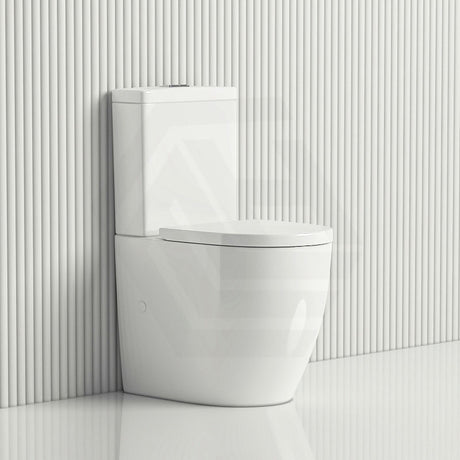
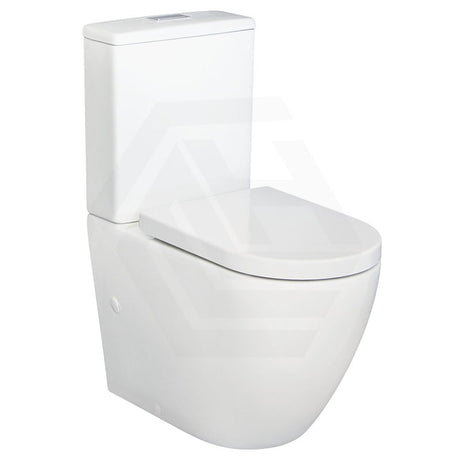
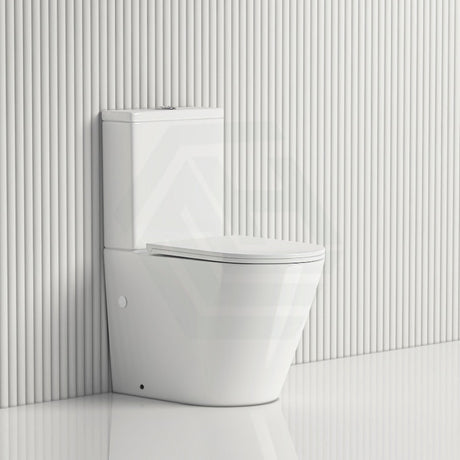
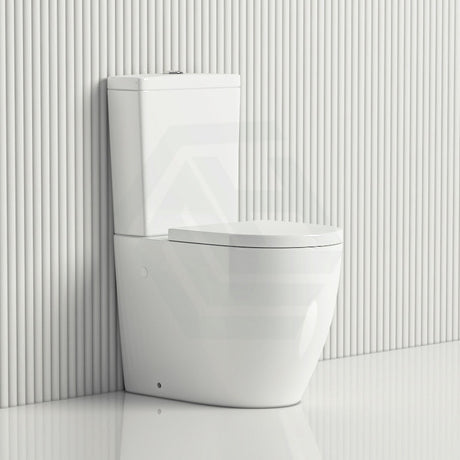
670x360x870mm Bathroom Rimless Toilet Suite Comfort Height Back To Wall White- Default

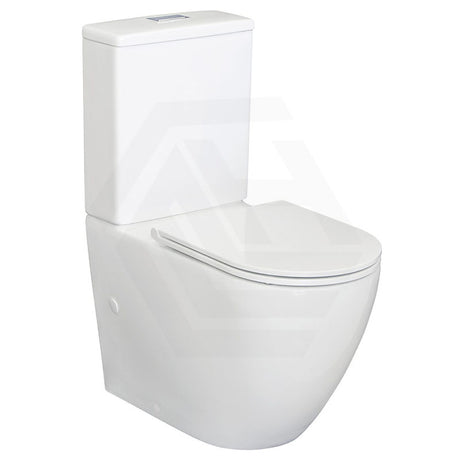
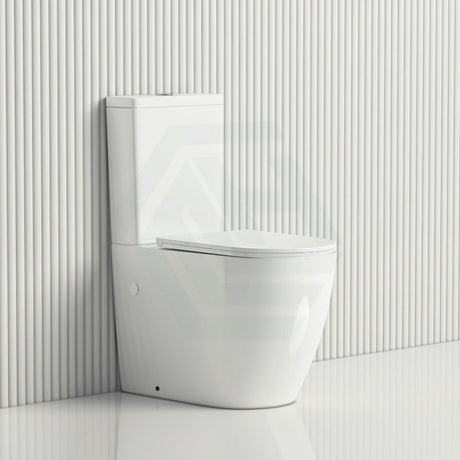
620x370x820mm Bathroom Rimless Toilet Suite Back To Wall White- Default

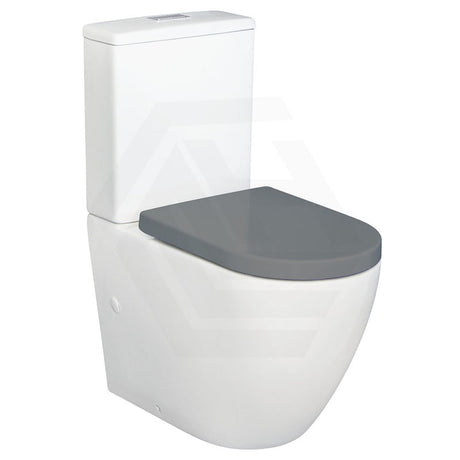
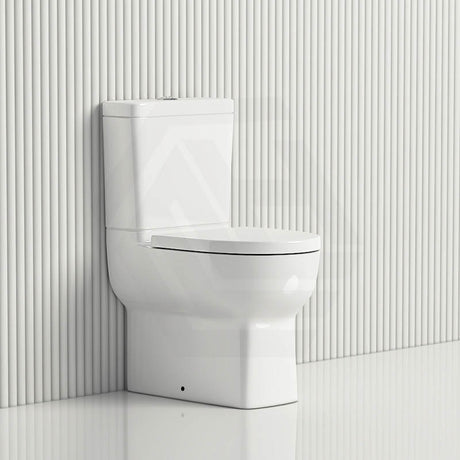
650x390x860mm Back to Wall Rimless Flushing Ceramic White Toilet Suite Soft Close Seat- Bottom Inlet (Default) / Default

Product Image
670X360X850Mm Bathroom Rimless Toilet Suite Comfort Height Back To Wall White Gloss Suites
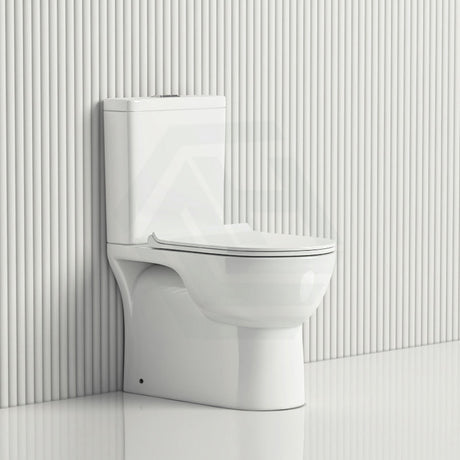
650X380X840Mm Rimless Flushing Ceramic White Wall Faced Toilet Suite Soft Seat Wels Watermark Bottom
Add To Cart
View details
View details
View details
Brand
Macho
Macho
Macho
SKU
TS2125
TS2101
TS2131
Price
From
$338
From
$271
From
$262
Dimensions

Length: 670 mm

Width: 360 mm

Height: 850 mm

Length: 620 mm

Width: 370 mm

Height: 820 mm

Length: 650 mm

Width: 380 mm

Height: 840 mm

Colour
White
White
White
Installation Type
Floor Mounted
Floor Mounted
Floor Mounted
WELS Rating
4.0
4.1
4.0
Features
  • Rimless Flushing
  • Comfort Height

Rimless Flushing

Rimless Flushing

Find Tailored Toilet Solutions for Every Need

Every bathroom comes with its own challenges — from compact layouts to busy family routines. Explore toilet solutions that balance design, comfort and practicality. From back to wall toilets to feature-rich options, MyHomeware helps you find the right fit for your lifestyle.

For Small Spaces

Small bathrooms shouldn’t feel cramped. Back to wall toilets, in-wall toilet suites and in-wall cisterns help maximise available space while keeping the room open and refined. Clever options such as skew toilets allow flexibility around tricky plumbing layouts without compromising on a clean, modern look.

Recommend Products

Shop More

FAQs about Toilets

Which type of toilet is more hygienic?

Rimless toilets are considered more hygienic because they eliminate the traditional rim where germs and dirt can hide. The smooth toilet bowl and powerful flush ensure thorough cleaning with each use.

What is a dual-flush toilet, and how does it save water?

A dual-flush toilet features two buttons allowing you to choose between a full flush (for solids) or a reduced half-flush (for liquids). This system significantly reduces water waste by using only what is necessary. In line with Australian WELS standards, most modern models achieve 4 or 5-star ratings, helping households save thousands of liters annually compared to older single-flush units.

Are wall-hung toilets practical for everyday use?

Yes, wall-hung toilets are designed for daily use and strong support. The cistern is hidden inside the wall, which saves space and makes the bathroom look cleaner and more open. Cleaning the floor underneath is also much easier.

Do all toilets fit my existing plumbing?

Not always. Toilets need to match your bathroom’s rough-in and waste outlet setup. If the measurements don’t match, installation becomes harder and may need extra work or parts. Measuring first makes sure your new toilet fits right.

How do I remove or replace a toilet seat or lid?

Most toilet seats are secured with fixing bolts located beneath the hinge covers at the rear of the bowl. These can usually be loosened from above or below, depending on the design.Always check the manufacturer’s instructions to ensure correct removal and replacement.

Which is better: a P-trap or an S-trap toilet?

Neither option is inherently better — the correct choice depends on your existing plumbing layout.

· S-trap toilets connect through the floor and are the most common configuration in Australian homes.

· P-trap toilets connect horizontally through the wall and are used where the waste outlet is positioned in the wall.

Selecting the correct trap type is essential for proper installation.

What type of toilet has the strongest flush?

Toilets featuring tornado are generally considered to provide stronger and more efficient flushing performance. Rimless bowl designs can further improve hygiene and cleaning efficiency by reducing hidden areas where residue can build up.

Keep Your Toilet in Top Condition: Tips & Tricks

A well-maintained toilet can last for years. Explore our expert tips for regular cleaning, troubleshooting common issues, and ensuring your toilet remains functional and hygienic. Keep your bathroom in peak condition with easy maintenance advice.