19 June, 2026
What Is Vanity?
Wondering what is vanity in bathroom terms? Explore types, sizes, and key components to find the perfect unit for your renovation.

If you've ever been in a showroom, flabbergasted by the number of vanities and their accompanying sales people, you'll know what it's like to be bombarded with questions. And what are the questions they will ask? Well, you're not even in the door yet and they'll already be asking you "what is vanity"? Let's rewind and answer the question that people Google a lot: what is a vanity and what do you need to know?
Video Credit: Home Channel TV
What Is a Vanity, Actually?
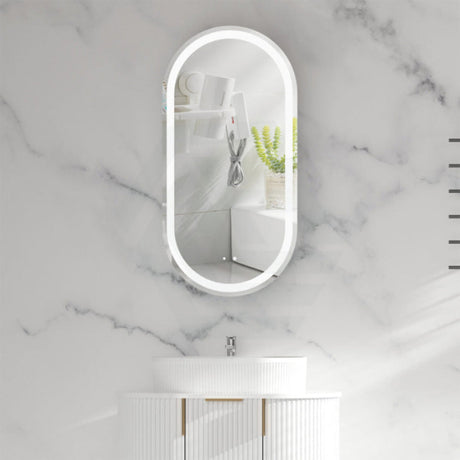
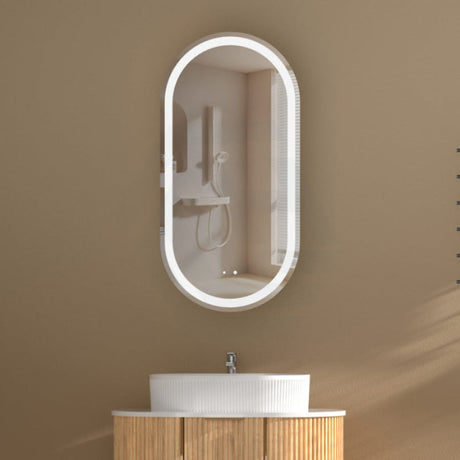
What is vanity in the simplest terms? A bathroom vanity is a combined unit consisting of a storage cabinet and a basin. The cabinet goes under or to the side of the basin, gives you storage space, and makes the bathroom useable rather than a room with a tap. While a mirror is a vanity, or a dressing table in a theatre or backstage context, it's used as a more specific term in the Australian bathroom renovation context: the combination of basin and cabinet underneath.
What is vanity in a renovation budget? It's often one of the single biggest line items in a bathroom, so getting it right matters.

The Main Components of a Bathroom Vanity
Now that we understand what a vanity actually is, you need to think about the parts it has separately. Understanding them will save you confusion as you search for a product to buy, or even save you from extra costs that can come up.
There are four parts to consider: the cabinet (carcass), the vanity top, the basin, and the tapware.
The cabinet itself, sometimes known as a carcass, is the structural base of the unit. It is made from a variety of materials like PVC, MDF, plywood, and solid timber. PVC is genuinely waterproof and excellent value for bathrooms. MDF is the most popular mid-range option. It's not inherently waterproof, so look specifically for MR-grade (moisture resistant) MDF, which is the relevant specification for bathroom cabinetry exposed to humidity (AS/NZS 1859.2:2017). Plywood is the premium choice — dimensionally stable, strong, and beautiful with a woodgrain edge.
The vanity top sits across the cabinet and can be ceramic (the most common and practical option), poly (budget-friendly and fine for a secondary bathroom), or stone and natural quartz (premium, and genuinely gorgeous). Tops are frequently sold separately from the cabinet, so always check what's included before you buy.
The basin — and do use "basin" rather than "sink" in a bathroom context — comes in three main configurations: undermount (sits below the benchtop for easy cleaning), inset (drops into a cutout in the top), or above-counter vessel style. Each changes the look dramatically.
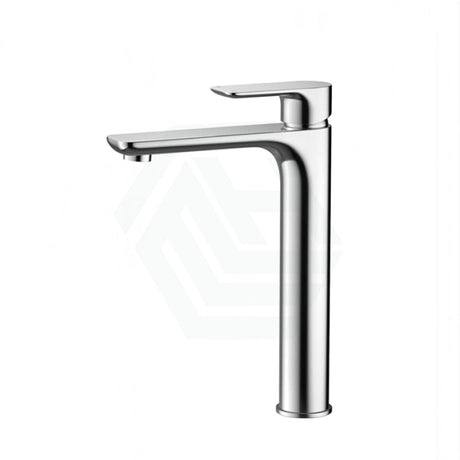
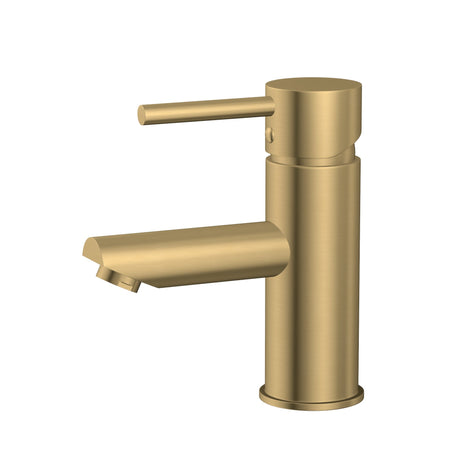
Finally, tapware. Almost every vanity cabinet is sold without a mixer and waste. Always factor those into your budget from the start. And when you do choose tapware, make sure it carries WaterMark certification — it's a mandatory national product certification for plumbing and drainage products in Australia (WaterMark Certification Scheme).

Common Vanity Types and Sizes
With the components clear, the next step is understanding how vanities are configured and what size will actually fit your space.
Wall-hung vanities — fixed to the wall with no floor contact — are enormously popular right now. They make a bathroom feel larger, cleaning the floor is a dream, and the floating look is genuinely contemporary. They do require stud mounting into solid wall framing, so that's worth confirming with your builder early.
Freestanding vanities with legs have made a real comeback, particularly in heritage homes and country-style bathrooms. They sit on the floor and are generally easier to install than wall-hung — though plumbing connection still requires a licensed plumber regardless. A corner vanity is the best option for smaller bathrooms or awkward layouts where a straight wall option won't work.
Standard widths are 600mm, 750mm, 900mm, 1200mm, 1500mm, or 1800mm. Standard depth is 460mm, and finished height including top is 850mm. Before buying, confirm the space needed for the door to swing and where your existing plumbing exits the wall — moving plumbing can be costly.

Choosing Your Vanity
Now that you know what style and size will work, it's time to factor in price, materials, and installation requirements. Entry-level bathroom vanity options start from $300–$600 and typically feature PVC or ceramic construction — perfect for a functional second bathroom or rental property. Mid-range vanities priced at $700–$1,500 generally offer MR-grade MDF or plywood cabinets, soft-close drawers, and better basin quality — great value for a main bathroom vanity. At the premium end ($2,000 and above), you'll find brands like CETO and Aulic, both of which produce vanities with Häfele hardware and natural stone top options.
You can DIY the assembly of a flat-pack vanity cabinet, but you will need a licensed plumber to complete the connection for the basin, mixer, and waste. This isn't optional.

Where to Buy Your Vanity
Now you know what you're looking for and have a good grasp of your budget, the next step is knowing where to buy. Online bathroom specialist websites generally offer the widest selection and most competitive pricing. Delivery can be as quick as a few days, though the downside is you can't touch and feel the quality before you buy. Local hardware and big-box stores carry a more limited range but are hard to beat on price for a secondary bathroom vanity, with the added benefit of same-day take-away. For a major home reno, a local bathroom showroom is the best option — you can see and feel what you're buying in person, and a knowledgeable sales team can help you work through the options.
Before heading in-store, I recommend you browse vanities online first to understand what's available at each price level and formulate questions before you buy. No matter which way you go, the plumbing connection must be completed by a licensed plumber in every state and territory in Australia, who will issue a plumbing compliance certificate upon completion.
References
AS/NZS 1859.2:2017 Reconstituted wood-based panels — Specifications, Part 2: Dry process fibreboard, Standards Australia
WaterMark Certification Scheme, Australian Building Codes Board
National Construction Code 2025, ABCB Housing Provisions, Part 10.2 Wet area waterproofing
State and territory plumbing licensing authorities (Building and Plumbing Commission Victoria; Building Commission NSW / NSW Fair Trading; Queensland Building and Construction Commission; Plumbers Licensing Board Western Australia (administered by Building and Energy); Consumer, Building and Occupational Services Tasmania; Access Canberra ACT; Office of the Technical Regulator / Consumer and Business Services South Australia; Plumbers and Drainers Licensing Board Northern Territory)