02 February, 2026
What Bathroom Tub Size Do You Really Need? A Practical Buying Guide
Find the perfect bathtub size: Practical guide to lengths, widths & depths for comfort. Measure your space, add 10cm to height, test tubs – ideal for Australian bathrooms to ensure relaxing soaks without regrets!

Listen, I’m going to level with you. A few years ago when we renovated our bathroom, I unleashed the shame and lay in display bathtubs at -so many– showrooms around Sydney. My husband just knew I was off my rocker, but here’s the thing — you will never, ever know if a bath is right for you until you lay down in it. And, so glad I did that oddly uncomfortable thing because it saved us from making an extremely expensive mistake.

The bath we first fell in love with? Gorgeous as a piece to look at, phenomenally impressive in the showroom. But once I was actually inside (fully clothed, I should add, though the sales assistant did look quite amused), I discovered my knees were practically touching my chin and there was no way to stretch out or ‘unwind’ properly. Not quite the luxury bath I’d been hoping for after wrangling two boys and working all day!
So what’s the deal with bath sizes: These are the decisions that, if you screw them up, will result in something you hate every single day. Or worse: something you look at longingly while standing in the shower because, it turns out, nobody really fits inside a regular bathtub and you have to take “baths” instead. What a waste.

A standard 1500mm x 750mm bath is common in an Australian house. That’s your typical drop-in or alcove bath, which slots snugly between three walls. It does the job, sure. But does it feel you, know, good to you? It largely depends on your height, the way you bathe and (truthfully) if you‘re going to share with the kids as well!
And here’s what I think most people don’t think about. Facey adds: "If you are over five-foot-seven (170 centimetres) or so, a standard 1500mm bath is not going to give you that relaxing luxury experience." You’re going to be doing awkward things like sliding down with your knees bent and a million other things that won’t be covered by the knee waders you can also wear, but are never thinner than 2mms because of how much cooler you get in the water. Done that, been there, no fun. For taller individuals — or anyone who really enjoys a long soak in the bath — you should be looking at lengths from 1600mm to 1700mm. Sure, they are larger, but if you have the space, it’s totally worth it. Well if you’ve got a smaller bathroom (which most of us do) you might be considering corner bathtubs. They can be great space savers and actually give you more internal bathing room than you might think. The secret with corner baths is to measure, measure, measure – they can look enormous in a showroom and yet the internal width may not be suitable for your body. I have friends who installed corner baths and when finished had something they could only sit bolt upright in, no legroom – this is because they didn't check the internal length.
There’s that and there’s the width, which people usually forget about. The larger tub means you can really stretch out and relax, even squeeze in a little side-by-side if you’re into romantic baths. Normal is about 700-800mm but if you've got the space, upgrading to 900mm can have a big effect on comfort. Just try not to go so wide that you’re sliding around and can’t brace yourself, because that isn’t relaxing, that’s obnoxious.
Then there's depth. Oh, the depth question. The standard depth of most baths is about 350-400mm, which on paper doesn’t sound too bad - but bearing in mind once you get sat in there, the water level typically only reaches your waist if you’re lucky. That full-on immersive experience where the water comes up to the shoulders and you can lie in it with that floating sensation feeling totally relaxed—you want at least 450mm depth, preferably more.

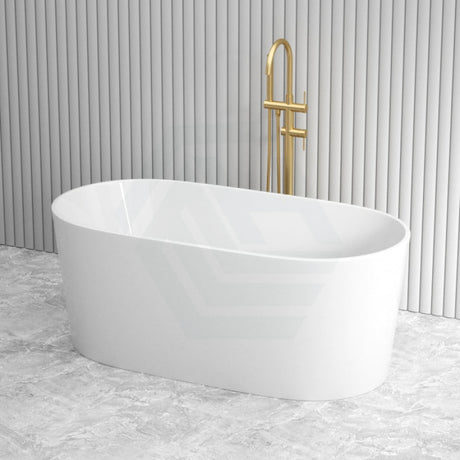
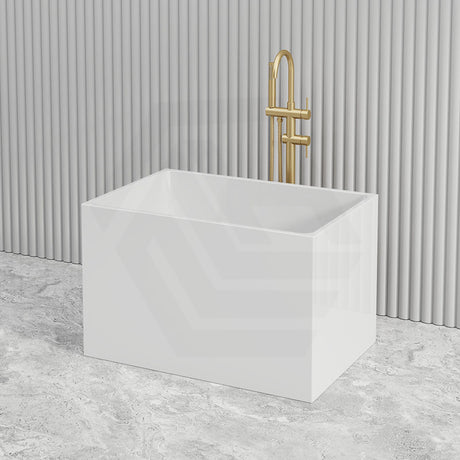
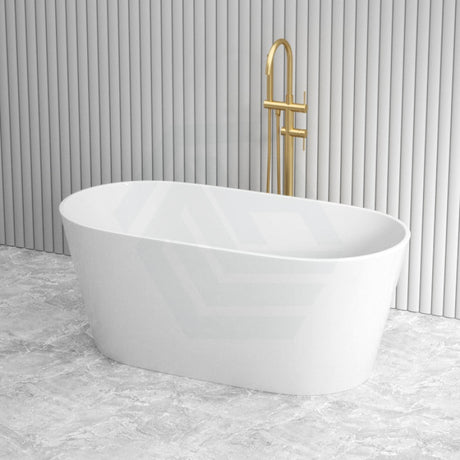
A freestanding bathtub can be beautiful and if you have the room and the funds, I say go for it! But here’s the reality punchline they don’t give you leafing through glossy magazines. They occupy more floor space than built-in versions, since you must have clearance on all sides of them, they tend to be more expensive, and the plumbing can be trickier (aka pricier to install). Are they worth it? Sometimes, absolutely. That one’s a statement piece that could really make a whole bathroom. So make sure you’re selecting one that’s truly comfortable, not only Instagram-worthy. I’ve showed you too many beautiful freestanding tubs that are essentially useless, because they’re just too shallow or too narrow or designed like an outrageous S curve that doesn’t allow for you to lie back and just RELAX.

Speaking of shapes, not all bathtubs are created equal, even when they’re the same length. Some are graduated, with a slight slope at one end that’s great for reclining. Others are more upright. Some include armrests (genius, really). Some are oval, some rectangular, some whatever that bizarre not-quite-triangle form is. The only way to know is if to try them out. Yes, I’m repeating myself because it’s that crucial.
And listen, I realize that all sounds extravagant. I can hear you now, “come on, Jen – it’s a bath — how hard could it be.” But trust me on this. We settled on a 1650mm bath, 800mm wide and 480mm deep, after my mortifying tour of the showroom. It was more expensive than the alternative, but seriously? The best choice we made in that renovation. I put it on every single week, multiple times a week. It brings me genuine joy. Tuttle meanwhile went with a gorgeous but totally impractical bath that she loved the look of, but was too small for her and too difficult to fill. She’s used it five times in three years. Such a waste.
Budget is obviously a consideration. You can buy a cheap acrylic bath for some hundreds, or thousands will get you an extravagant stone resin one. My advice? Spend as much as you can, reasonably speaking, to obtain the size and shape that will work for you, and then save money on the material if need be. Best reddit URL couples A cozy acrylic bath will always be a choice one over an uncomfortable designer model.

And one more thing — this is crucial: Make sure your floor can bear the weight. A full bath of water and someone in it is very, very heavy. Upstairs bathrooms, in particular, have to be inspected by someone who knows what he’s doing. It’s no use spending big on your dream bath, only to find it crashing through the ceiling at a crucial moment. (All right, that’s dramatic and unlikely, but you know where I’m going here.)
So here's the practical takeaway. Measure your space, obviously. Then add 10 centimetres to your height and that’s about the shortest bath length you can expect to comfortably fit in. If you can go longer, do it. Look to width and depth—the first one matters as much as the other. Test real baths, if you can, even if it feels ridiculous. And also, it’s something you’re presumably going to use for years, so it’s worth getting right.
Because your bathroom is a sanctuary, not somewhere you want to suffer. And, after a long day, there’s nothing better than soaking in a bath that finally fits.