08 May, 2026
Bidet Benefits: Why More Australians Are Making the Switch
Bidet benefits explained: superior hygiene, reduced toilet paper use, skin comfort and long-term savings. Why more Australians are making the switch to cleaner, greener bathroom routines.

What Is a Bidet and How Does a Bidet Work
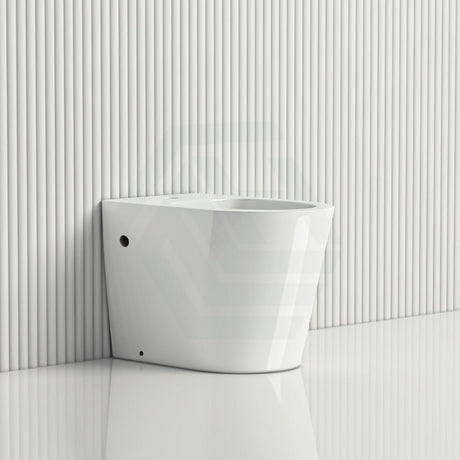
So what's a bidet and how does a bidet work? Look past the simple notion of water cleaning and the answer is far more nuanced. A bidet directs a regulated jet of water, be it any pressure or temperature required, on to the required region following toilet usage. A smart toilet seat cover that attaches to most toilet pans has an arm that extends out from under the seat, goes through the wash, and retracts and cleans itself. A freestanding bidet works the same but is a separate fixture alongside the toilet.
In Australia, bidets come in three varieties. These include:
- a freestanding bidet (typically made from ceramic)
- a bidet add-on (also known as a toilet seat cover that attaches to most existing toilet pans and is by far the most popular route of entry)
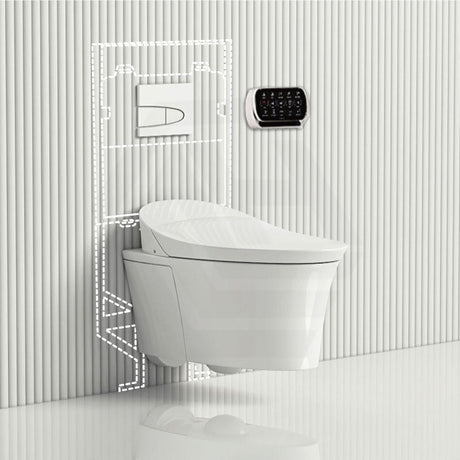
- a smart toilet suite
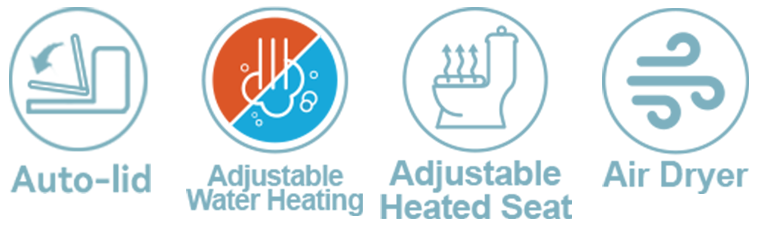
A smart toilet combines the functionality of a bidet, heated seat, warm air dryer, automatic flushing and deodorising into a single unit. And each connects to your water in a different way which you'll want to bear in mind during your bathroom planning.

Bidet Benefits for Health, Hygiene, and Comfort
What bidet benefits are argued most persuasively are hygiene related. Water cleans better than paper alone which is especially relevant if you're dealing with haemorrhoid pain or are healing from surgery or have sensitive skin. Many Australians, especially elderly Australians, say that being able to have a pressure controlled warm water spray and warm air dryer makes all the difference in the world to them.
Also worth bearing in mind is the fact that most smart bidet seats have a warm water wash setting and under AS/NZS 3500.4, the hottest water coming out of a bathroom outlet is capped at 50°C so a heated bidet wash on a quality bidet seat is designed not to scald you.
Beyond this, the bidet benefits aren't exactly what you'd expect to be the main point: less paper means less rubbing and therefore irritation and for a lot of users a much nicer experience day to day.

Bidet vs Toilet Paper: Cost, Waste, and Practicality
But beyond hygiene, many Australians are choosing bidets for very basic financial and ecological reasons. The bidet vs toilet paper battle becomes more interesting when you add up the sums. An ordinary Australian household typically spends between $150 to $250 annually on toilet paper. At the entry point, the average price of a smart toilet seat cover comes to around $80, with brands like Lukka and Macho offering the more affordable end of the market, up to a premium model that can cost $1,846. On the cheapest end, it's a near immediate payback.
But bidets also save water. Each time a bidet is used for its wash mode, it consumes around 0.5 to 1.5 litres of water, plus, consider the amount of water used to manufacture the toilet paper. While most people tend to still use a touch of paper to finish unless their unit has a warm air dryer, the savings can be substantial.

How to Use a Bidet: A Practical Guide for First-Timers
Once the maths adds up and they've decided to give bidets a try, one of the main challenges most new buyers face is what actually to do when they sit on the toilet. Knowing how to use a bidet is very simple; press the wash button, located on a side panel or using the remote control unit, depending on your model. On your initial use, I recommend starting on the lowest pressure setting to find out what pressure works best for you. The nozzle on most smart toilet seat covers self-cleans before and after each wash. I generally use the wash for around 20 to 30 seconds before pressing the dry button or just using a touch of paper to dry. For standalone bidets, depending on the fixture you've got, sit facing or away from the tap; adjust the temperature and flow to your preference and finish drying with a small towel.

Choosing the Right Bidet Setup for Your Australian Bathroom
Most bidet toilet seats are designed to fit most Australian toilets — either a round or elongated pan. A bidet with toilet seat is the starting point for the majority: the most affordable, most accessible, and requires the least disruption to an existing toilet setup.
If you are considering a complete toilet suite upgrade, first check the layout of your existing toilet setout. A toilet with s trap is the most common configuration in older Australian homes, and toilets generally come with a floor setout in the 100–120mm range, so check the layout first. Bidet seats require water pressure between 150 and 300 kPa; consult your licensed plumber to confirm what pressure you are currently supplied with. If there are young children in your household, you may want to consider a childs toilet alongside your adult bidet-equipped toilet, as the adult toilet may not be suitable for everyone.
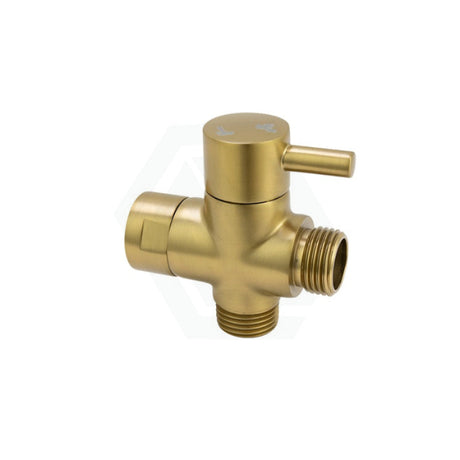
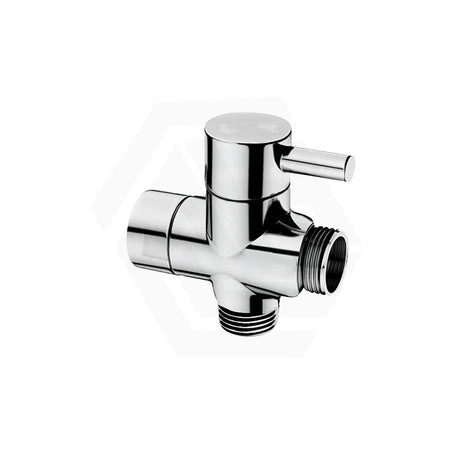
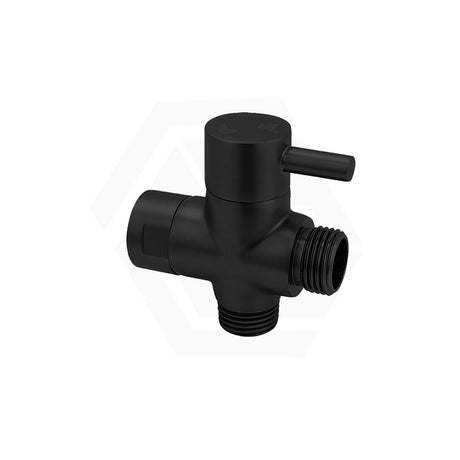
All bidet products must be WaterMark certified if installed into Australian homes. A smart toilet will require an electrical outlet located nearby; any hardwired electrical connections must be installed by a licensed electrician to the relevant electrical standard AS/NZS 3000:2018. All water supply connections, including connection of the diverter valve to the cistern inlet, must be completed by a licensed plumber. This applies to all states and territories.
References
AS/NZS 3500.4 Plumbing and Drainage — Heated Water Services, Standards Australia
WaterMark Certification Scheme, Australian Building Codes Board
AS/NZS 3000:2018 Electrical Installations (Wiring Rules), Standards Australia
State plumbing licensing legislation (VBA Victoria; Fair Trading NSW; QBCC Queensland; Building Practitioners Board WA; CBOS Tasmania; ACTPLA ACT; Building & Energy SA; ABPB NT)