31 March, 2026
Bidet Spray vs Smart Toilet: Which Washlet Toilet Is Right for Your Bathroom?
Bidet spray vs smart toilet (washlet): which is better? Compare cost, installation, features and comfort to find the right bidet solution for your bathroom and budget.

As a bathroom expert, I’ve been asked countless times whether a simple bidet spray or a washlet toilet is the way to go. The simple answer is that it depends on your budget, the layout of your bathroom, and whether you prefer convenience or ease of use. Both bidets get the job done but the experience and price are worlds apart.
What a Bidet Spray Actually Does
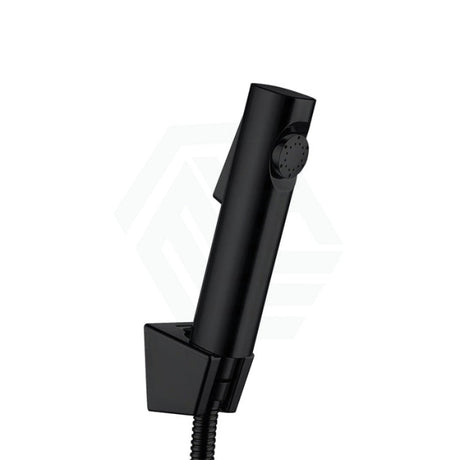
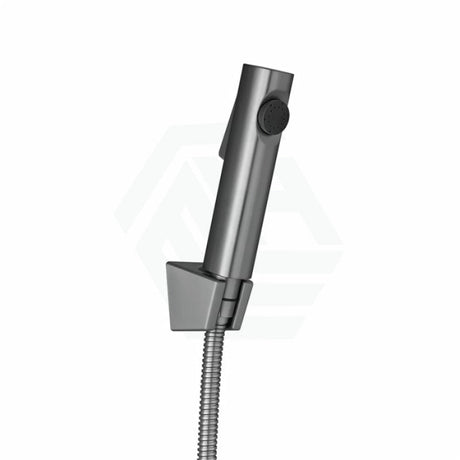
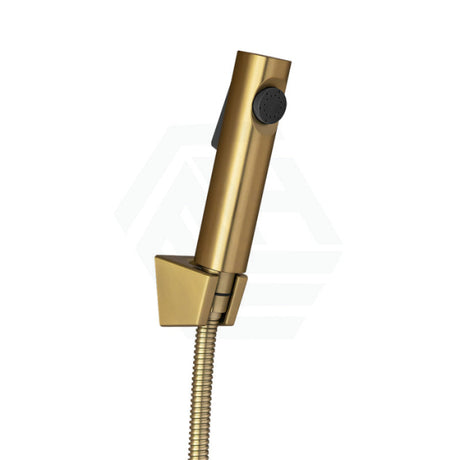
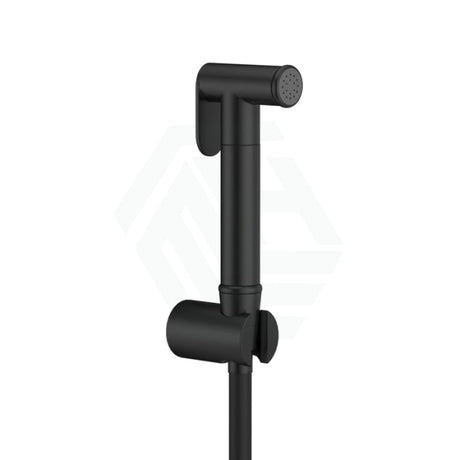
A bidet spray is a handheld unit that attaches to your toilet water supply. It’s operated manually, so there’s no real learning curve involved. Fitting is about as simple as any plumbing job: a T-piece valve, a braided hose, and a wall mounting clip. Most handy homeowners can manage it themselves in less than an hour.
The downside is that a bidet spray only delivers cold water. There’s no heating element, no drying function, and no motorised nozzle. For many of us, that’s not a problem. If you’re wondering how does a bidet work in its most basic form, a handheld spray is the perfect example, providing water where you need it, when you need it, and directed by you. I’ve fitted dozens of these in rental properties, and they do the job as advertised. Cleaning is a breeze, just wipe the nozzle clean and you’re done. There’s not much that can go wrong with a unit as simple as this, and that’s part of the appeal.

What Sets an Integrated Bidet Seat Apart
A washlet toilet has the bidet built into the toilet seat. The nozzle extends and retracts at the touch of a button, the temperature is adjustable, and many units include a warm-air dryer, heated seat, and deodoriser. Some models even come with a nightlight built into the pan. The technology has its roots in Japan, and has been refined over decades, which is why you might see these units referred to as a japanese toilet in Australian bathroom showrooms.
Unlike a basic handheld spray, a smart wc seat can provide heated water, automatic nozzle cleaning, and personalised wash settings that manual systems simply can’t offer.
Fitting is a more complex process. An integrated unit requires a 240-volt power point within reach of the toilet, which usually means calling in an electrician. The seat itself attaches to your water supply in the same way as a bidet spray, but the electrical connection adds an extra layer of complexity and expense. I’ve seen homeowners underestimate this and end up with an extension cord snaking across their bathroom floor, which is definitely not a configuration I’d recommend for safety reasons alone.
You should also factor in ongoing maintenance. Electronic components can (and do) fail, and sourcing spare parts for a lesser-known brand can be tricky in Australia. My advice to clients is always to stick with a recognised brand that offers local warranty and parts support.

Comparing the Real Costs
This is where the difference in bidet installation cost becomes really apparent. A good-quality bidet spray kit costs anywhere from $50 to $150, and you can fit it yourself. A bidet seat will cost between $400 for an entry-level model and upwards of $2,000 for a high-end unit from Kohler. If you factor in the cost of hiring a licensed electrician to install a power point, you’re looking at an additional $500 to $800.
It’s worth noting here that a washlet toilet isn’t exclusively a luxury item for high-end bathroom renovations. Mid-range seats from reputable brands provide heated water, adjustable pressure and a drying function for a relatively modest outlay. However, if you’re on a budget or renting, a bidet spray provides the primary hygiene benefit at a fraction of the cost.

Which One Suits Your Bathroom
It’s rare for space to be a determining factor, as both models are affixed to your existing toilet, and neither requires any additional floor space. The question is really whether you have access to a power point. If you already have one in your bathroom near the toilet, an integrated seat is a practical investment. If not, the cost of laying a new circuit may make you lean towards a bidet spray.
I’ve worked on bathroom renovations where the client initially installed a bidet spray to gauge whether they even liked the idea of water cleaning, and then upgraded to a full bidet seat a year later. This is a perfectly reasonable approach. It only takes a few days to get the hang of how to use a bidet, regardless of whether it’s in a seat or spray format, and most people are left wondering why they hadn’t switched sooner.
If you want premium seats, a kohler commode offers some of the most sophisticated bidet seat technology available on the Australian market. If you prefer the convenience and economy of a spray attachment, a wc jet spray can be attached to your existing water supply. If the full, integrated experience appeals to you, browsing the various japanese toilet options will give you a sense of what’s available at different price points.