08 May, 2026
What Does a Bidet Do? A Complete Explanation for Beginners
What does a bidet do? A complete beginner's guide explaining how bidets work, their hygiene benefits, and why more Australians are switching from toilet paper for cleaner, more comfortable results.

What a Bidet Actually Does
At its core, a bidet uses a controlled stream of water to wash the perineal area after you've used the toilet. That is the entire function in plain language, but in Australia, many people have never even seen one, and even fewer have used one. This is largely because the bidet wasn't popular here until very recently, while the technology has been commonplace in Europe and Asia for decades.
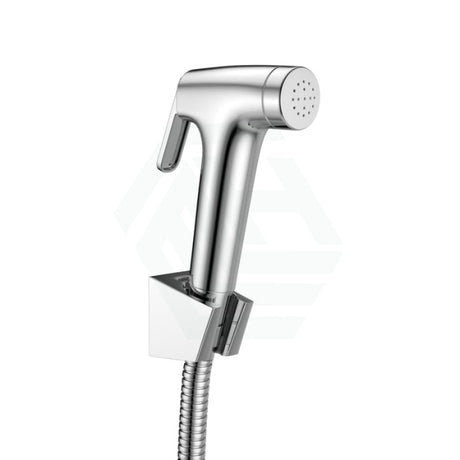
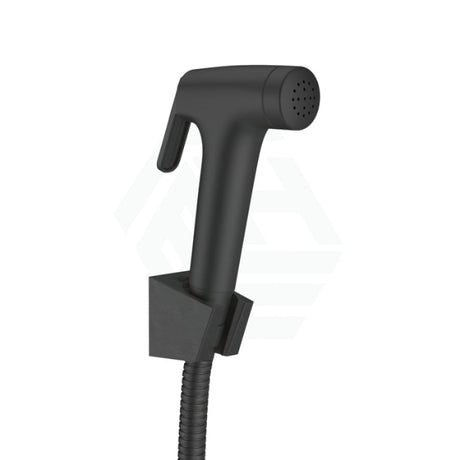
Bidet mechanics are simple: a jet of water (either embedded in a bidet toilet seat or attached to a standalone bidet basin) streams upward from a spray nozzle positioned below the user. Water flow and pressure can be adjusted to suit different people and needs. Good quality bidets will never exceed 50°C for their water flow, to prevent scalding. Basic bidet diverter attachments run on cold water alone and require no electrical power.
Before you decide to buy a bidet, it helps to understand exactly what does a bidet do, and how that function can improve your life. This knowledge is important, as a bidet cleans more effectively than just using toilet paper alone, for reasons that I will cover further in this guide.

The Main Benefits of Using a Bidet
As well as providing the core function explained above, there are a number of important bidet benefits, many of which are both practical and quantifiable.
Improved hygiene. Water removes more residue effectively and efficiently than toilet paper, which is particularly important for people with sensitive skin, haemorrhoids, or post-surgical recovery requirements. As a bathroom consultant, I have found this to be the deciding factor for most new-to-bidet customers.
Reduced reliance on toilet paper. This translates to money saved for households, since a typical Australian family spends between $180 and $260 on toilet paper per year. It also means reduced paper waste and the conservation of water and timber resources required to manufacture all that paper. A simple bidet toilet seat attachment — starting at around $80 for a basic non-electric model — will make a meaningful difference to your toilet paper consumption over the following months of use.
More comfortable toilet paper usage for households with children. For people who have children with toilet accidents, or bathrooms shared between adults and children who need assistance, having the ability to wash without paper makes the cleaning process easier.
A more comfortable toilet experience. This is difficult to quantify, but is often a very important factor for some people in making a decision to buy a bidet. The warm water wash options found on mid-range and above bidet seats often mean users who have once tried the experience find it difficult to go back to using paper.

How to Use a Bidet Step by Step
Understanding what a bidet is and the bidet benefits it can provide is one thing, but to actually make these benefits a reality in your bathroom, you need to know how to use a bidet.
Many first-time bidet users find this step difficult because they feel uncomfortable doing things they've never experienced before, but there is usually nothing to worry about. Here is a basic guide for using a bidet toilet seat.
1. Do your business as usual and remain seated on the toilet. 2. Locate the control panel for your bidet wash function (this might be on a remote control, or a side panel) and press the desired wash function for posterior or feminine wash. 3. Choose the water pressure you require by pressing the appropriate button to change the wash intensity. Most new users start with a pressure that's too intense — try setting it to low intensity first, then gradually increase as required. 4. After about 20 to 30 seconds, stop the water flow. 5. Pat dry using a small amount of toilet paper, or activate the warm air dryer. Most users still use toilet paper to dry any remaining residue unless they have a bidet seat with a warm air dryer function.
It is also possible to buy a standalone bidet basin. These are used in much the same way as a regular bidet seat, except you straddle the fixture instead.

Types of Bidets Available in Australia
While the instructions are generally the same, the options and settings will vary depending on the type of bidet you buy. There are several distinct formats available in the Australian market.
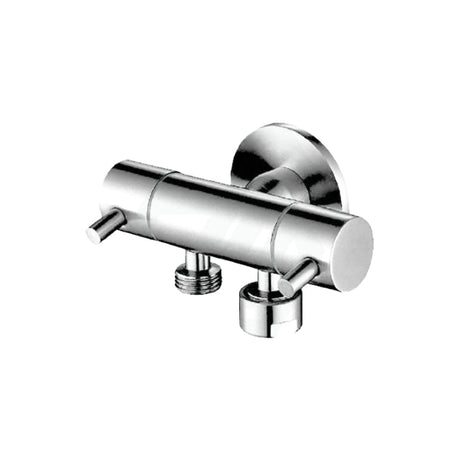
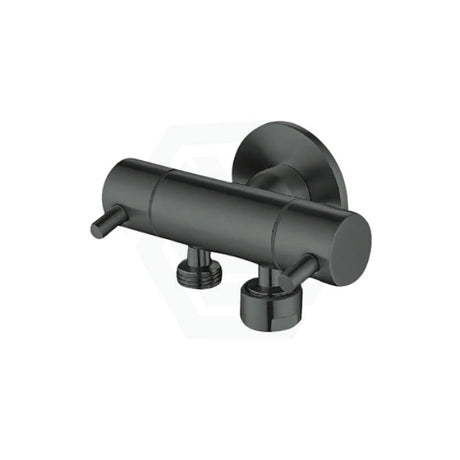
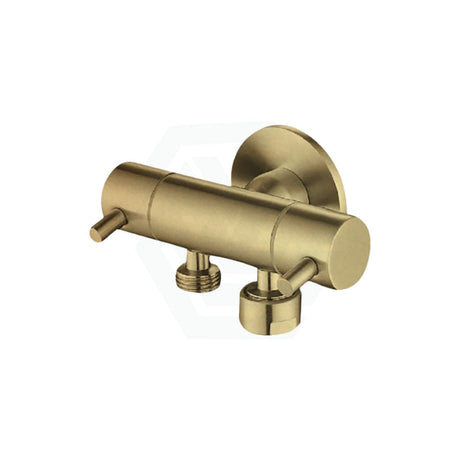
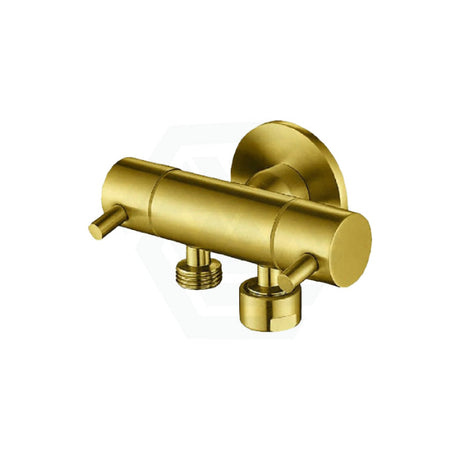
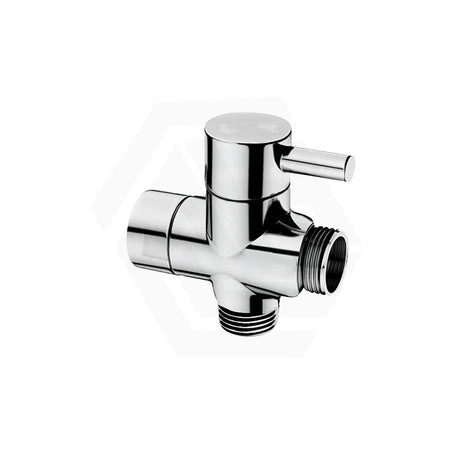
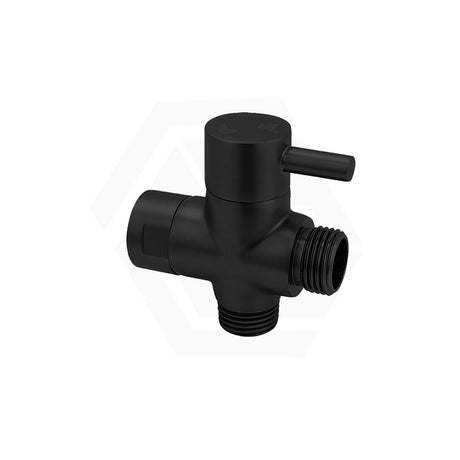
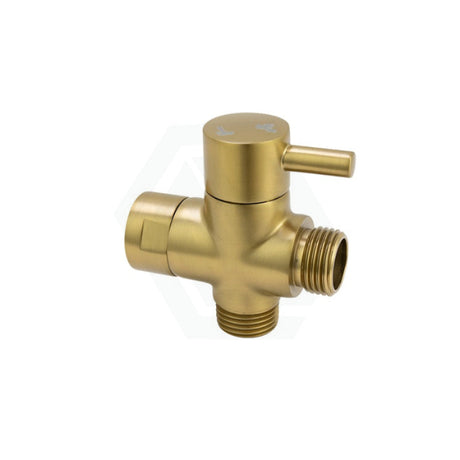
The budget option is the toilet bidet diverter — a T-valve on the water supply to the toilet, priced between $7 and $77. No power supply is needed, and installation is generally DIY-permissible, but check your state/territory requirements.
The next price point is the retrofit bidet seat, or smart toilet seat cover, ranging from $80 to $1,846. These fit most standard toilet pans (including a toilet with s trap rough-in) and higher-end models feature a heated seat, adjustable pressure, and warm air dryer. Any unit requiring a hardwired power connection must be installed by a licensed electrician (AS/NZS 3000:2018).
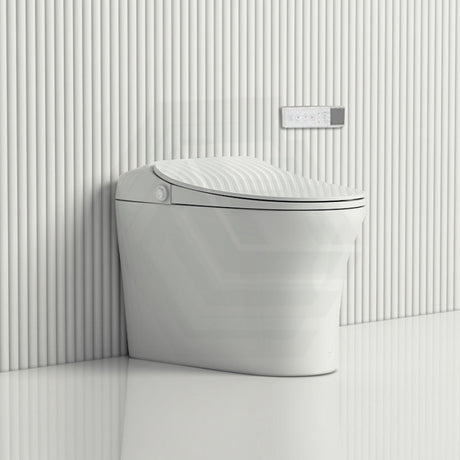
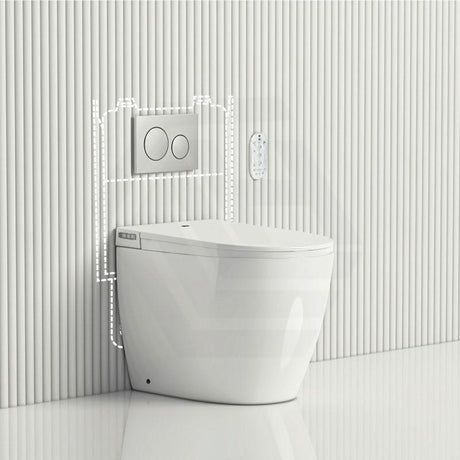
Fully integrated smart toilets — including the japan toilet bowl style — range from $1,619 to $6,205. These combine the toilet suite and bidet in one unit; more expensive models include auto flush, deodoriser, and remote control. A licensed plumber (state plumbing licensing legislation) is required to install these in all states and territories under state plumbing licensing legislation. If you're shopping for a fully integrated unit, Kohler and Fienza both offer well-specified options across a range of budgets.
For households with younger children, a kids toilet is worth considering. These come with a smaller pan size and lower seat height — a more practical solution than fitting step stools to an adult suite. Whatever product you choose, it pays to know that All products sold in Australia must carry WaterMark certification (WaterMark Certification Scheme), confirming they meet national plumbing standards.

Bidet vs Toilet Paper: Cost, Hygiene and Practicality
Now that you know what's available and the approximate prices, let's look at whether installing a bidet is worth it compared to continuing to buy toilet paper.
The bidet vs toilet paper cost comparison is straightforward to model. A mid-range retrofit bidet seat at $350 to $500, costing a few cents of water per day, versus the $200 per year average household toilet paper spend, gives a payback period of around 18 to 24 months. Premium integrated smart toilets will have longer payback periods — whether the extra features justify the cost is a personal decision.
On hygiene, water wins. Studies show water removes significantly more residue and reduces bacterial transfer compared to dry paper — a clear advantage for households with elderly residents, post-operative recovery needs, or skin conditions.
On practicality, it depends on your household. If your home loses power, an electric bidet won't function. If you travel frequently, you'll return to paper on the road. These are relatively minor inconveniences compared to the long-term benefits, and on the safety and materials side, Australian regulations have you covered. Every WaterMark-certified product sold in Australian homes must meet lead-free copper alloy (NCC 2022, Volume Three, Part A5) requirements under the relevant standards, so that is not something you need to verify independently.
The value bidets add to bathroom renovations is real. A smart toilet seat or integrated toilet unit adds measurable functional appeal — particularly now that the japan toilet bowl style is becoming more mainstream in Australia. Understanding what does a bidet do at both a functional and lifestyle level makes the decision to install one considerably easier.
References
AS/NZS 3500.4 Plumbing and Drainage — Heated Water Services, Standards Australia
AS/NZS 3000:2018 Electrical Installations (Wiring Rules), Standards Australia
State plumbing licensing legislation (VBA Victoria; Fair Trading NSW; QBCC Queensland; Building Practitioners Board WA; CBOS Tasmania; ACTPLA ACT; Building & Energy SA; ABPB NT)
WaterMark Certification Scheme, Australian Building Codes Board
National Construction Code 2022, Volume Three (Plumbing Code of Australia), Part A5 Documentation of Design and Construction — Lead-Free Copper Alloy Requirements