08 May, 2026
Are Heated Toilet Seats Worth It? Benefits and Drawbacks
Are heated toilet seats worth it? Discover the comfort, hygiene benefits and real costs of smart bidet seats versus basic models. Practical Australian guide to making the right choice.

What's a Heated Toilet Seat, and How Does It Actually Work?
To start at a basic level, a heated toilet seat is what it sounds like: a toilet seat with a ceramic or carbon fibre heating element inside, which draws somewhere between 25 and 60 watts of electricity to keep the seat surface warm. Entry-level heated-only versions will generally cost somewhere around $80 to $150 AUD and do not have the wash feature; they just keep the seat warm and work by plugging into a nearby general purpose outlet (or GPO).
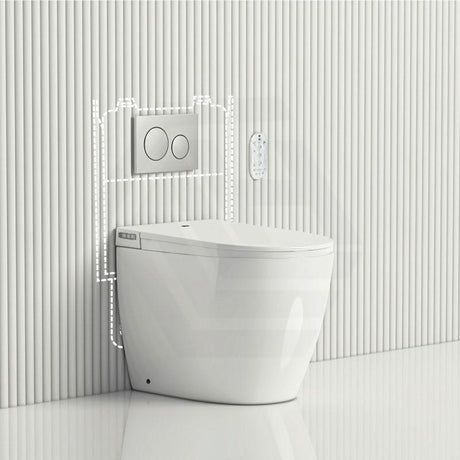
Then you have the other end of the spectrum completely, with full smart bidet seats that have the heated seat option as one of the many added bells and whistles. The full version usually includes a posterior and feminine wash, warm air dryer, deodoriser and either a handheld remote or a side panel attached to the toilet. Prices for these start around $300 up to $1,846 AUD, depending on model and features. So basically, you've got a choice between 'nice and toasty' or 'a trip to the spa.'

Key Benefits of Heated Toilet Seats
The comfort of having a warm toilet seat is almost enough on its own to justify it, but let's look at some other real benefits. Most heated seats offer adjustable temperature across three to five settings, generally ranging from 35°C to 45°C (AS/NZS 3500.4), which stays well within the anti-scald safety cap for bathroom outlets as per AS/NZS 3500.4. That range is sufficiently warm to make a real difference in an unheated bathroom during winter in Victoria or Tasmania, without being at all dangerous.
On top of that, there are strong hygiene benefits. Smart bidet seats with wash functionality are able to substantially reduce toilet paper usage, which is both an environmental and a money-saving long-term benefit. Bidet models typically have adjustable water pressure ranging from 0.04 to 0.8 MPa and can also adjust both the pressure and temperature of the water. For people recovering from surgery, managing issues with mobility or dealing with various medical conditions, having an option to self-clean at different pressures is a very practical and useful feature.
Quality heated bidet seats are also built to last, with lid and seat mechanisms rated to 50,000 to 100,000 open/close cycles and heating and wash electronics expected to perform reliably for eight to twelve years under normal household use.

Drawbacks and Limitations to Consider
This is where things start getting a little trickier. The obvious issue is the upfront cost, but there are other hidden costs you need to factor in as well. A GPO within 300 to 500mm of the toilet is a must — and plenty of Australian bathrooms simply don't have one — so you'll need a licensed electrician (AS/NZS 3000:2018) to sort that out in the wet area. Set aside roughly $150 to $300 AUD for the job — and don't even think about doing it yourself. Wet area electrical work is strictly regulated — AS/NZS 3000:2018 applies, and a licensed tradie is the only person who can legally do it. Full stop.
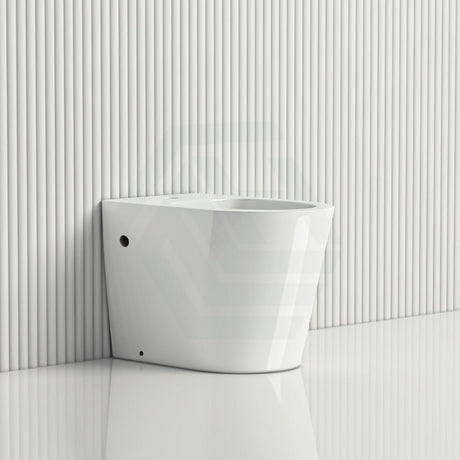
The other thing people don't think of is fitting. Not all pans are the same shape and size. D-shape, round, and elongated toilet seats all have different fixing hole centres, so make sure a bidet seat you like will actually fit your toilet. Running costs of a heated seat are relatively minor — at the lowest heat setting left on continuously, a 25 watts draw amounts to roughly 18 kilowatt-hours per month, costing less than $5 at average Australian tariffs, and $15 to $40 per year overall — but worth factoring in. And if you're going with plumbing connections, make sure it carries WaterMark certification (WaterMark Certification Scheme), otherwise your local plumbing authority may not accept the installation.

Heated Toilet Seat vs Smart Toilet: Which Is Worth It?
So, knowing what you know about a bidet seat, you might ask: would a smart toilet do the job better?
A smart toilet is an integrated pan, cistern and seat. Are smart toilets worth it? Maybe, if you're renovating your whole bathroom and ripping everything out anyway, but they start at $1,619 and go up to over $6,000 AUD, and require a full new toilet suite. The smart toilet vs bidet seat comparison comes down to retrofit ability and cost — you can fit a smart toilet seat onto your current toilet pan for considerably less. If you're not replacing your entire bathroom, the bidet seat is the smart buy.

How to Choose and Install a Heated Bidet Seat
Most households in Australia will find a smart toilet seat the best answer, so what should you buy and what's the install process?
Measure your toilet pan from fixing hole centre to fixing hole centre, as well as the overall length and width. Check you have a nearby GPO that is RCD (Residual Current Device) protected, and that your cistern inlet has a standard 3/8" BSP connection, which is the Australian standard size. Browse the full range of bidet seats for toilets to cross-reference compatibility specifications.
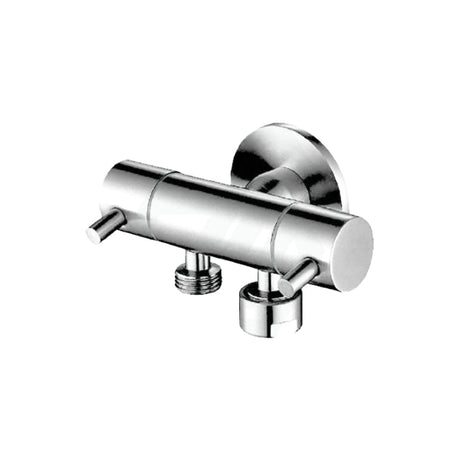
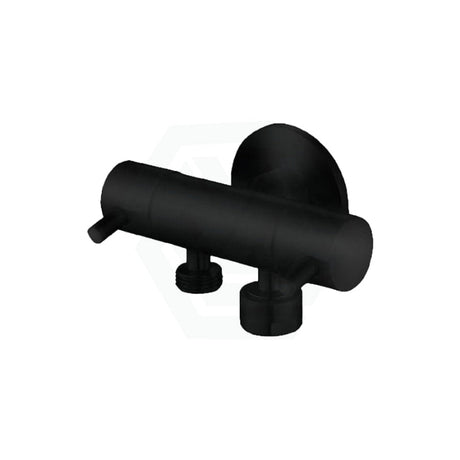
How to install bidet toilet seat: turn off the water, remove your existing toilet seat, attach the bidet seat's fixing brackets to your existing seat fixing holes, then fit the T-valve adapter to your cistern inlet and connect the seat. This is DIY-legal (state plumbing licensing legislation) under state plumbing licensing legislation — no licensed plumber required for the seat swap itself. A smart wc seat from a reputable brand will include full instructions, and most installs take under an hour. If you have no GPO and need one fitted, that work can only be done by a licensed electrician.
So, are heated toilet seats worth it? Yes. For most people, a smart toilet seat that does more than just warm the seat is the better choice — well worth it for the comfort and hygiene gains, with minimal install difficulty, especially compared to most other bathroom renovations.
References
AS/NZS 3500.4 Plumbing and Drainage — Heated Water Services, Standards Australia
AS/NZS 3000:2018 Electrical Installations (Wiring Rules), Standards Australia
WaterMark Certification Scheme, Australian Building Codes Board
State plumbing licensing legislation (VBA Victoria; Fair Trading NSW; QBCC Queensland; Building Practitioners Board WA; CBOS Tasmania; ACTPLA ACT; Building & Energy SA; ABPB NT)