

29 May, 2026
Bathtub Ideas for Australian Bathrooms
Discover the best bathtub ideas for Australian homes. From freestanding to built-in styles, find the right bath for your renovation.

Video Credit: Bathroomer
The bathroom is that special room in your house that you often don't think about until you need it. It's the space you step out of in the mornings and the one you sink into at the end of the day. And if you've ever seen a beautiful bathroom, you will know that the type of bathtub you choose makes a huge difference in how you feel. So whether you are doing a bathroom renovation or getting started fresh with a new bathroom, check out our top bathtub ideas for Australian homes. It covers everything from the type of bathtub to installation.
Types of Bathtub for Australian Homes
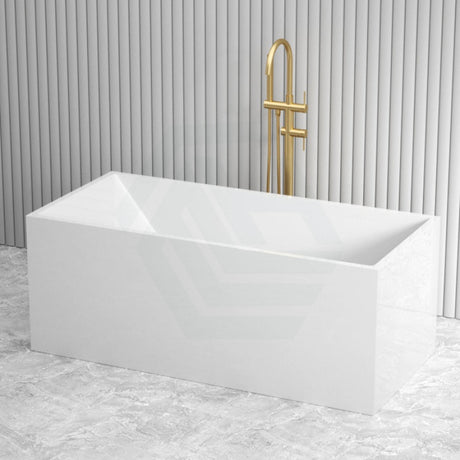
The first step is to work out what type of bathtub you want for your home. There are quite a few and you probably need to have a look at what you are able to do before getting your heart set on a specific style. First up is the freestanding bath which is exactly what the name implies. It is a bath that does not use any walls around it for support, giving it a really beautiful look in your home. It also comes in a sub-style of clawfoot bath, which is a freestanding tub with four stylish feet. You can think of this as the heritage style of freestanding bathtubs.
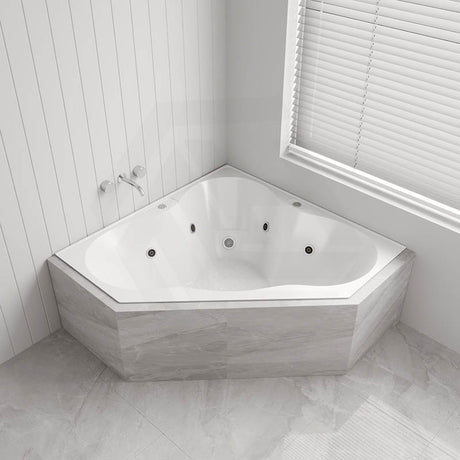
Next is the corner bath which sits into a corner of a bathroom using the usually wasted space. This is suitable for awkwardly shaped bathrooms and those with little straight wall space. Then you have an alcove or back-to-wall bathtub that sits flush against one or more walls giving it an integrated look. This type looks good in more contemporary bathrooms. Last is the drop-in bath which sits in a tiled deck where you will be able to see just the rim. Again this suits the modern look.
There are differences in every type of bathtub in terms of dimensions, installation and the size bathroom it should sit in, so it is best to understand the category you are looking at before you start looking at specific styles, saving you time (and possibly a few dollars in the process).

Sizing, Space Planning and Installation Considerations
Once you have established what type of bathtub you want and the style you like, the next important question is, "Will it actually fit in my bathroom?". This can't be answered without first knowing your layout and whether it would be practical for floor support, plumbing and layout.
In Australia standard bathtubs are generally between 1500 mm to 1800 mm in length and 700 mm to 900 mm in width, with the 1500 mm length being the practical minimum for adult bathing. You will also need to allow at least 600 mm of clear floor space along the sides and ends of the bath for comfortable access. So it is crucial to measure your space first before you start looking for products to ensure they will fit in the space you have. It seems obvious but one of the biggest (and most expensive) mistakes people make when planning out their bathroom is using incorrect measurements.
Another important factor to consider is the position of your plumbing rough-in. You can move a waste position, but you need to allow for additional labour for doing this. You may need a licensed builder to check the structural support of your floors before installing something made from heavier material, like cast iron or stone resin. This is especially so if your floors are timber framed. The waterproofing on all of the bath surround and any hobs needs to follow AS 3740:2021 and NCC 2022, ABCB Housing Provisions, Part 10.2 requirements, which require wall waterproofing to extend a minimum of 150 mm above the bath rim (NCC 2022, ABCB Housing Provisions, Part 10.2) (AS 3740:2021). In every Australian state and territory, you must engage a licensed plumber to make all plumbing connections. This rule is not up for negotiation or debate.
If you think you might like a spa bath, remember that the wiring to the jet pump must also be completed by a licensed electrician and meet the requirement to have RCD protection per AS/NZS 3000:2018. Now we are talking about two licensed trades.

Materials, Costs and Budget
Once you have your dimensions and installation requirements, the next step is to decide on the most appropriate material. This choice will impact your initial budget and the maintenance required over time.
Acrylic is the most popular bath material in Australia and generally the most affordable. Acrylic is lightweight, warm to the touch and easy to repair if scratched. Cast iron brings exceptional heat retention and extraordinary longevity, though some baths weigh more than 100 kg. Stone resin sits somewhere in between, with good heat retention, a substantial feel and good looks, but it can also be very heavy.
A drop-in bathtub costs from $312 and this is the most affordable choice of the main bath styles. Back-to-wall and corner bathtubs cost $938 to $2,085. Freestanding bathtubs cost from $878 and up to $7,182 for premium stone resin or solid surface models, though bath spouts, mixers and the waste are mostly sold separately and need to be included in the budget.

Freestanding and Clawfoot Bath Ideas
If you want to add a freestanding bath or clawfoot bath to your bathroom, pay special attention to the weight of the bath material and how much clear floor space you have.
A freestanding bath doesn't need to touch any walls but leave a minimum of 900 mm of clear space on all open sides. This style is not really suited to smaller bathrooms since it requires space for viewing from the sides as well as the front. Positioning your bath in front of a large window or skylight is an easy win on the design side. Note that freestanding baths don't always include an overflow and you need to confirm where the taps will be located with your plumber before you order, either wall-mounted or floor-mounted.
A clawfoot bath shares the same freestanding form but carries more character and a heritage design look. The claw legs are normally finished in chrome, brushed nickel, matte black or antique brass and these can be coordinated with your tapware finishes. This is a beautiful option for a heritage property or an elegant feature in a crisp, modern white bathroom.

Corner Bath Ideas and Layout Options
If your bathroom space can't support a freestanding bath, a corner bath still offers a feature design at a more accessible price. A corner bath costs from $958 to $2,085 in Australia.
Corner bathtubs come in triangular, square and asymmetrical shapes. These shapes can really help solve awkward layout scenarios where an under-utilised area at the end of the room can be put to more productive use. Keep in mind that the hob or deck contributes to the overall footprint, which needs to be factored into the layout. Also note the waste is positioned at the corner, angled to the walls, but the exact rough-in location needs to be confirmed with your plumber before ordering. Plan also to leave space for an access panel on the side or rear of the bath so that the waste and spa jets are accessible if servicing is ever required.
With some design ingenuity, your unused corner can become a focal point. These bathtub ideas for corner layouts prove that a practical choice can still be a striking one.
References
AS 3740:2021 Waterproofing of Domestic Wet Areas, Standards Australia
National Construction Code 2022, ABCB Housing Provisions, Part 10.2 Wet Areas
State plumbing licensing legislation (VBA Victoria; Fair Trading NSW; QBCC Queensland; Building Practitioners Board WA; CBOS Tasmania; ACTPLA ACT; Building & Energy SA; ABPB NT)
AS/NZS 3000:2018 Electrical Installations (Wiring Rules), Standards Australia