21 October, 2025
Shower Screen Sizes and Types for Modern Bathrooms: Full Guide
Explore standard shower screen sizes in Australia with our 2025 guide. Learn popular types for small to large bathrooms, and expert tips for measuring and fitting your space perfectly.

Getting the measurements right for a new shower screen is a key part of planning a bathroom project. Choosing the correct shower screen sizes not only ensures a proper fit but also impacts how well water is contained and how easy it is to get in and out of the shower. This guide walks through standard Australian dimensions and key factors to consider, helping you choose with confidence. Read on!

Common Shower Screen Sizes in Australia
In Australia, shower screens come in a range of standard, off-the-shelf sizes to suit most bathroom layouts. While custom designs are available, the standard options usually fit common setups perfectly. The typical shower screen height in Australia is between 1900 mm and 2100 mm, depending on the style and brand. Below is a table showing the most common shower screen dimensions, including height, width, and panel sizes for different configurations.
| Screen Component | Standard Width Range (mm) | Standard Height (mm) |
|---|---|---|
| Fixed Shower Panel | 900 - 1200 | 2000 - 2100 |
| Pivot Door | 750 - 1000 | 1900 - 2000 |
| Sliding Door Panel | 900 - 1800 (Total Width) | 1900 - 2000 |
| Return Panel (for corners) | 800 - 1000 | 1900 - 2000 |
| Over-Bath Screen | 750 - 900 | 1400 - 1500 |
Popular Shower Screen Types and Their Dimensions
The type of shower screen you choose will influence the required dimensions. Each style is designed to work with different shower configurations.
Fixed Panel (Walk-In) Screens
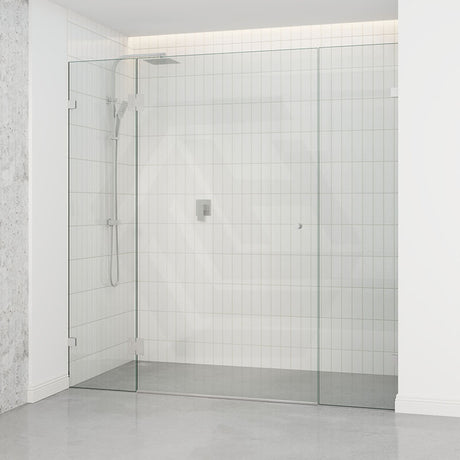
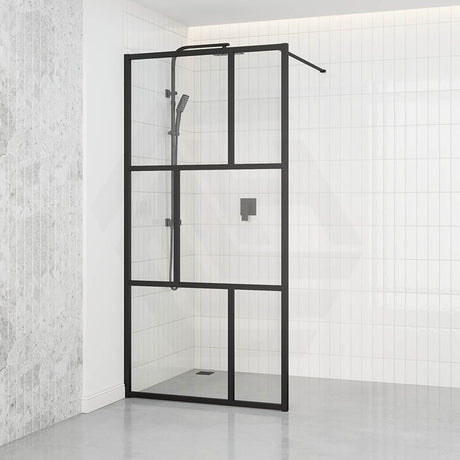
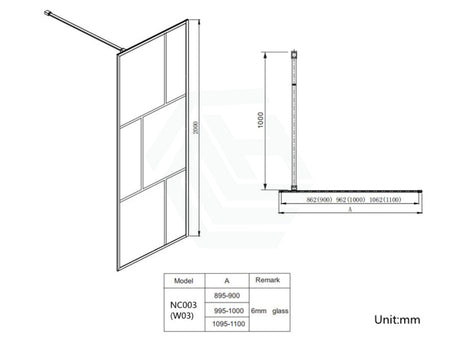
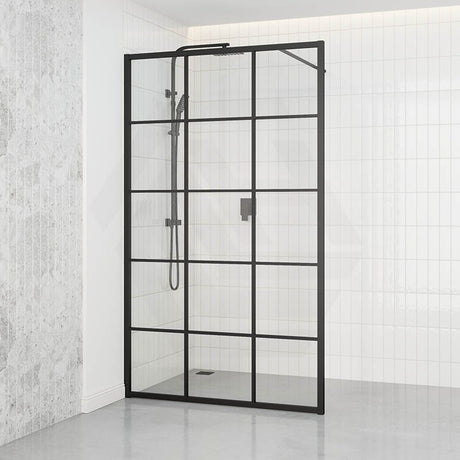
A popular choice for modern bathrooms, the fixed panel creates a doorless, walk-in shower. The width for these panels typically ranges from 900mm to 1200mm, with wider panels offering better splash protection. The height is usually 2000mm to 2100mm to maximise water containment.
Sliding Door Screens
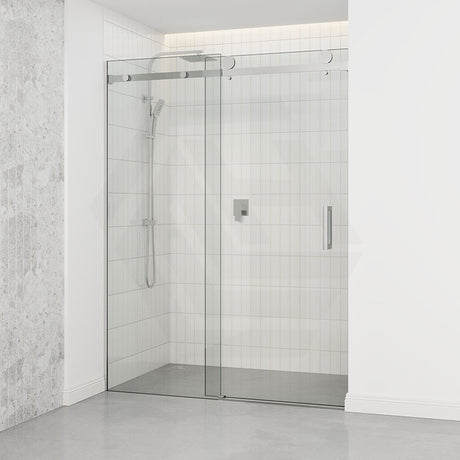
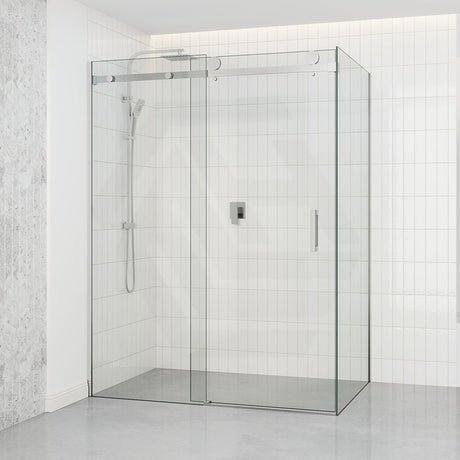
Ideal for bathrooms where space is limited, as the doors don't swing outwards. Sliding door screens are available for openings from 900mm up to 1800mm. This total width consists of one or more fixed panels and one or two sliding doors, with a standard height of around 1900mm or 2000mm.
Pivot Door Screens
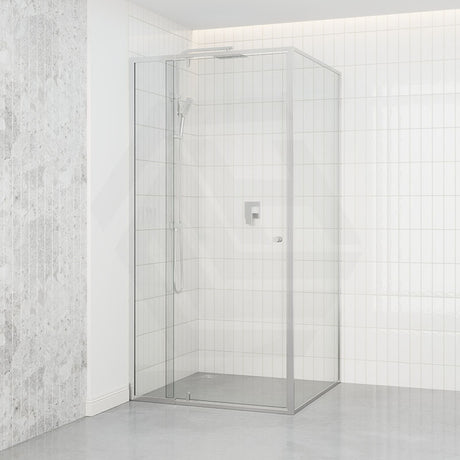
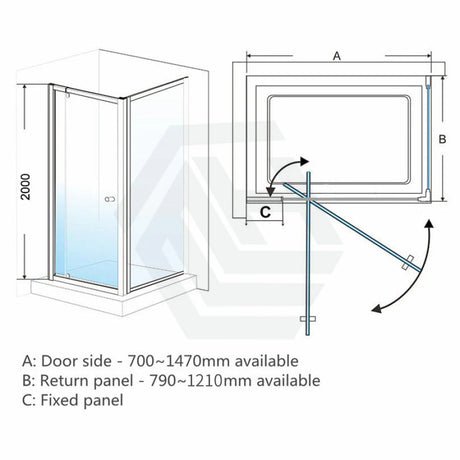
A classic choice that swings open like a standard door, requiring clearance space in the bathroom. The door itself is usually between 750mm and 1000mm wide and is often combined with inline panels for wider openings. The height is commonly 1900mm or 2000mm.
Over-Bath Screens
Designed to be installed on the edge of a bathtub to create a combination shower and bath. Standard widths are 750mm to 900mm, which is wide enough to prevent most splashes. Their height is lower than standard shower screens, typically 1400mm to 1500mm from the tub edge.

Shower Screen Sizes for Different Bathroom Layouts
The size of your bathroom is a primary factor in determining the appropriate shower screen size.
Small Bathrooms & Ensuites
In small bathrooms or ensuites, the key is to make the most of the space without it feeling crowded. Sliding doors, bifold doors, or a single fixed glass panel work best since they save space and keep the layout open. A 900mm x 900mm shower enclosure is a popular size for square spaces, while a single panel between 750mm and 900mm often works well for smaller setups. Choosing clear glass helps the room look bigger and brighter. Also, check that any swinging door has enough space to open without hitting the vanity or toilet.
Standard Family Bathrooms
Family bathrooms usually offer more space and layout options. You can choose from pivot doors, sliding doors, or a walk-in shower with a fixed glass panel. Typical shower enclosure sizes are 1000mm x 1000mm or 1200mm x 900mm, giving plenty of room for comfort and movement. For walk-in showers, the fixed panel is often between 1000mm and 1200mm wide, creating an open, modern look while keeping water neatly contained.
Large & Master Bathrooms
In bigger bathrooms, you have the freedom to design a spacious and luxurious shower area. A large walk-in shower with a wide fixed panel or a custom frameless enclosure adds both style and comfort. Fixed panels in these spaces are often 1200mm or wider, allowing for a more open look. For an even more indulgent setup, a double shower can reach a total width of 1500mm or more, giving plenty of room for two people to shower comfortably.
Factors to Consider When Choosing a Shower Screen Size
Before deciding on your shower screen size, take a moment to think about a few key details that affect how it will fit and function in your bathroom. They include:
Available Space and Layout
First, measure the total area allocated for the shower. This will determine the maximum footprint for your shower screen and will help you decide between a space-saving corner unit or a more expansive walk-in design. Consider the overall flow of the bathroom to ensure the shower doesn't dominate the room.
Shower Base Dimensions
If you are using a pre-made shower base or tray, its dimensions will dictate the exact screen size you need to purchase. The screen must be compatible with the base's length and width to ensure a waterproof seal and a proper fit along the base's raised edges or hob.
Door Clearance and Access
For pivot or hinged doors, you must account for the door's outward swing path. Measure to ensure it won't hit the vanity, toilet, or bathroom door when opened. The entrance to the shower should also be wide enough for comfortable and safe access, regardless of the door type.
Location of Fixtures
Pay attention to where your shower head and taps are placed. Their position can affect the best spot for your shower screen and door, helping to reduce water splashes outside the shower area. Also, make sure the frame or hardware of the screen doesn’t block or make it hard to reach the taps.
How to Measure Your Bathroom for a Shower Screen
Taking the right measurements helps your shower screen fit just right. Follow the simple steps below to measure your space correctly.
1.Measre the Width: For an alcove shower, measure the width between the walls at the top, middle, and bottom of the shower area. Walls are not always perfectly straight.
2.Measure the Height: Measure the desired height from the top of the shower base or tile hob to where you want the screen to finish.
3.Check for Plumb: Use a spirit level to check if your walls are perfectly vertical (plumb). If they are not, you may need a screen with some adjustability or a custom order.
4.Note Obstructions: Record the location of any taps, windows, or other fixtures that could interfere with the screen.
Conclusion
Picking the right shower screen size helps your bathroom look great and work well. Good measurements make installation easier, keep water where it should be, and make your shower more comfortable. With so many options, like fixed panels, sliding doors, or pivot doors, there’s something to suit every space. The right size doesn’t just add convenience; it also lifts the whole style of your bathroom. Check out MyHomeware for quality shower screens and expert tips to start your upgrade with confidence.