12 June, 2026
How Do I Increase Water Pressure in Shower: a Step-by-step Aussie
Wondering how do I increase water pressure in shower? Our Aussie step-by-step guide covers common causes and easy fixes.

Video Credit: Billshowto
Nothing is worse than hopping under the shower and realising it is, quite literally, a drizzle. Not a rain shower. Not even a mist shower. Just a drizzle. If you have found yourself in this position, you are not alone. I get quite a few questions from my readers about how to boost their shower pressure during home renovation projects, when they inevitably realise they have to fix it. The good news is this is not a particularly difficult problem to solve.
Why Your Shower Pressure Is Low in the First Place
There are any number of reasons your shower pressure could be low. Maybe you turned the isolator valve ever so slightly when renovating and neglected to turn it back to the on position. Your showerhead might be clogged with mineral build-up, or the galvanised pipes in your house might be clogged with sediment. It could be the pressure-limiting valve — or PLV — which is set quite low and/or has degraded over the years. It is a small valve on the incoming pipe to your house, close to the water metre, that regulates water pressure.
Most houses in Australia will have a mains pressure anywhere from 200 and 500 kPa, although that varies depending on where you live. If the PLV has been conservatively set or is not working properly, everything downstream will suffer. Static pressure and flow rate can be very different. You could have great static pressure, but your shower might still be weak because something is obstructing the flow path.

How to Diagnose the Root Cause Before You Fix Anything
Once you have got a handle on what causes this problem, you want to find out exactly which cause is the one you have so that you do not go and spend money fixing the wrong thing.
Start by testing water pressure at some other fixtures in your house, like the kitchen, laundry and bathroom basin. If it is low pressure everywhere, then you may have an issue with the PLV and/or mains supply. If it is only low pressure in the shower, you are dealing with something more specific.
Here is a practical check: grab a 9-litre bucket and put it under your showerhead and time how long it takes to fill. If it takes less than 60 seconds, you have got adequate flow. Any longer than that and you have a problem on your hands.
Then, take the showerhead off and see if there is a flow restrictor in the fitting — a tiny mesh disc. If you live in a hard water area, scale could be building up and restricting your water flow. Check the isolator valve on your supply line; if it is fully open (parallel with the pipe), the flow will be unaffected, but if it is closed even just a little, it will have a major impact on your shower's water pressure. Do not assume the showerhead is causing low water flow when the PLV is the real culprit. This is a common and expensive mistake.

Step-by-Step: Practical Fixes to Increase Shower Water Pressure
Now you know the source of the low shower pressure, start addressing it with the least expensive and easiest DIY solutions before moving on to more complex plumbing repairs.
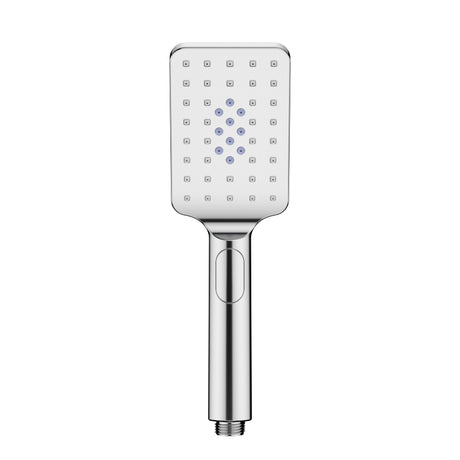
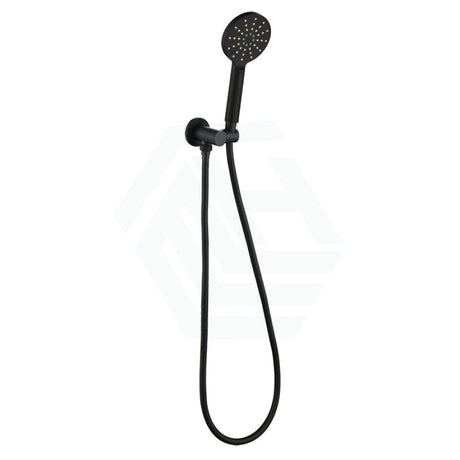
Start by removing the showerhead and soaking it overnight in white vinegar and warm water. This step costs essentially nothing but can restore surprising amounts of flow. If your showerhead is old and corroded beyond redemption, replace it — quality units from brands like Fienza or Aquaperla start around $60. To replace it, simply unscrew the old unit, apply thread tape to the threads, and screw the new showerhead on.
If the isolator valve on your supply line is not fully open, open it as far as possible. This is one way people wonder how do i increase water pressure in shower without calling anyone — and this one is fairly self-explanatory. You can probably clean the flow restrictor inside your showerhead instead of removing it entirely, as removing it may void the WELS rating. It is better to upgrade to a showerhead with a higher flow rate. If your mains pressure is genuinely low, a licensed plumber can install an inline shower pump for between $300 and $800 installed.

Upgrading Your Shower Hardware for Better Pressure
If the basic fixes restore adequate pressure, upgrading your shower hardware can take things further.
Some showerheads are rated for low water pressure and require a minimum inlet pressure of 150 kPa, which suits homes with lower mains pressure. All showerheads sold in Australia must be WaterMark certified. You can check your showerhead's Water Efficiency Labelling and Standards (WELS) rating against AS/NZS 6400:2016. A 3-star WELS rated showerhead delivers 9 litres per minute, while a 4-star showerhead delivers 7.5 litres per minute. If you are looking to achieve maximum flow, opt for a 3-star rating.
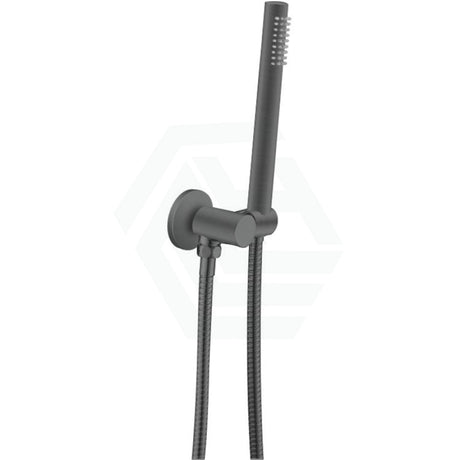
Selecting a bath hose with a wider internal bore also makes a real difference. Opt for a bath hose with an internal bore of 10 to 12 mm instead of the standard 8 mm so that more water can flow through. When fitting a new showerhead, also make sure to install an appropriate bath shower screen to avoid losing pressure through leaks or ineffective containment.
If you are renovating your bathroom, it is also a good time to consider a rimless commode. Rimless commodes are considerably easier to clean than rimmed ones, especially around the bowl interior, which reduces the build-up of bacteria. While a rimless commode has no effect on shower pressure, it is a smart addition to any bathroom renovation project. Ensure all taps, shower mixers and valves meet the requirements for strength, flow rate and hygienic performance under AS 3718:2021, and that all new products are WaterMark certified.

When to Call a Licensed Plumber — and What It Will Cost
If you have worked through every step above and the shower pressure is still weak, you are likely dealing with a failing PLV, corroded pipes, or insufficient pressure from your water authority. In all states and territories, licensed plumbers are required by law to carry out certain plumbing works and provide certificates of compliance.
A faulty PLV or badly corroded pipes require a licensed plumber who can adjust or replace the PLV, install an inline pump, or inspect your pipes. Realistic cost ranges to plan for: a diagnostic visit runs $100 to $200, PLV adjustment or replacement sits around $200 to $400, and pipe relining can climb from $500 to well over $2,000 depending on scope. A diagnostic visit costs $100 to $200, and labour rates are generally $80 to $120 per hour. Installing an inline pump typically takes two to four hours.
Note that many continuous flow hot water systems require a minimum inlet pressure of 150 to 200 kPa to operate. Your plumber will confirm whether your mains supply meets this threshold. Make sure the plumber you engage is appropriately licensed in your state, and obtain at least two or three quotes where possible. If you are still asking how do i increase water pressure in shower after a DIY reno and nothing has worked, contacting a licensed plumber without delay will likely save you money in the long run.
References
WaterMark Certification Scheme, Australian Building Codes Board
AS/NZS 6400:2016 Water efficient products — Rating and labelling (incorporating Amendment No. 1:2022 and Amendment No. 2:2022), Standards Australia
AS 3718:2021 Water supply — Tap ware (incorporating Amendment No. 1:2024), Standards Australia
State and territory plumbing licensing authorities (Building and Plumbing Commission Victoria; Building Commission NSW / NSW Fair Trading; Queensland Building and Construction Commission; Plumbers Licensing Board Western Australia (administered by Building and Energy); Consumer, Building and Occupational Services Tasmania; Access Canberra ACT; Office of the Technical Regulator / Consumer and Business Services South Australia; Plumbers and Drainers Licensing Board Northern Territory)