

07 May, 2026
Bathtub Resurfacing Cost: Restoring Old Tubs Without Full Replacement
Bathtub resurfacing cost guide: restore your old tub with professional reglazing for a fraction of replacement price. Save thousands while reviving your Australian bathroom.

The Process of Tub Resurfacing
Your bathroom has it, that old bathtub with the yellowed enamel and the stain you can't get out and the chipped waste fitting. The one you've been wanting to fix for two years. What if you can have that exact same tub, resurfaced until it's shiny and new. And all it costs you is a tiny fraction of a complete replacement job?
Bathtub resurfacing, or reglazing, or refinishing (in Australia, we tend to use these terms interchangeably, as they all refer to the same process), is where you take your existing bathtub and give it a chemical clean, an acid etch, a primer coat, and a bonding topcoat on top of your existing surface. First, you clean off the old bathtub with chemicals to remove any soaps or oils or other surface impurities, then you use acid etch to rough up the existing surface so that your primer and topcoat will actually be able to adhere to the tub itself. Finally, you apply the finishing materials, often an epoxy resin, polyurethane or acrylic, in one or more layers to your tub surface and you have a smooth new top layer over what you had before.
Bathtub resurfacing can be used to refurbish all kinds of bathtubs, and in particular most common materials of bathtubs in Australia, which includes acrylic (the most common by far), fibreglass-backed acrylic, cast iron, or pressed steel. Acrylic bathtubs make up the great majority of bathtubs installed in homes, and are ideal for the process because the coatings adhere well to a properly prepared surface. It is also common to resurface a cast iron bathtub if a new one is not feasible.
Of course, the resurfacing of a bathtub is not going to last forever, but you can expect a professionally finished bathtub to last five to ten years with care. This can be a good option if your bathroom is in good overall shape, and it is a genuinely smart way to buy another decade of life from a perfectly functional tub.

Bathtub Resurfacing Cost Breakdown
Now, knowing what the process of bathtub resurfacing involves and what materials are used for it, the natural question is how much do you pay to get one done? Does the bathtub resurfacing cost add up in comparison with the cost of replacing the tub?
For a do-it-yourself resurfacing job, like a kit from Rust-Oleum Tub and Tile, the price runs from around $50 to $150 at hardware stores. To get a professional bathtub resurfacing, on the other hand, you can expect to pay in the region of $300 and $700 for a standard acrylic or fibreglass bathtub. Larger freestanding baths or cast iron tubs — which demand more preparation, more product, and more time — can push that figure up to $900 or even $1,200 (HIA Bathroom Renovation Cost Guide 2025).
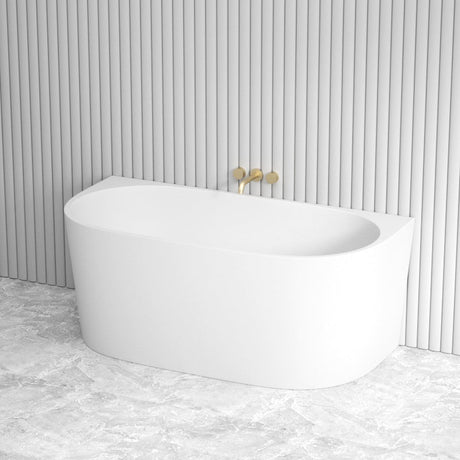
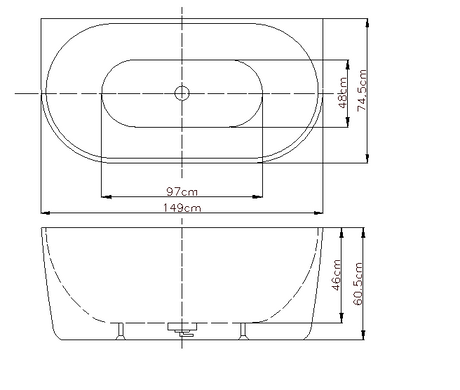
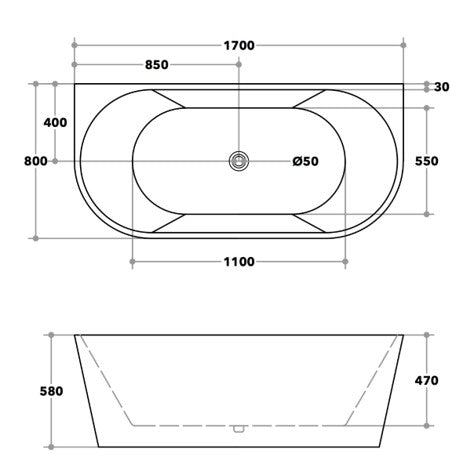
On the other hand, if you're replacing your bathtub entirely, you're going to pay considerably more. A drop-in tub starts from $312, with back-to-wall options from $938 to $2,085 and freestanding tubs ranging from $878 all the way to $7,182 for premium options. Factor in a licenced plumber to dismantle the waste and plumbing fixtures, waterproof and install the unit, and a full bathtub replacement can cost $1,500 to $5,000 or more. Suddenly, resurfacing makes an awful lot of sense.

What Affects the Final Price?
The above price points offer a ballpark guide, but your final bill will largely hinge on a few specific variables associated with your particular bathtub and its location.
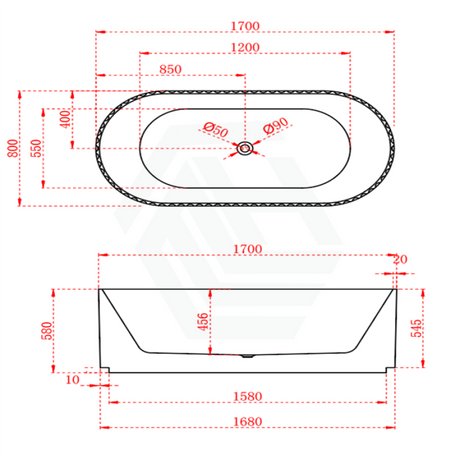
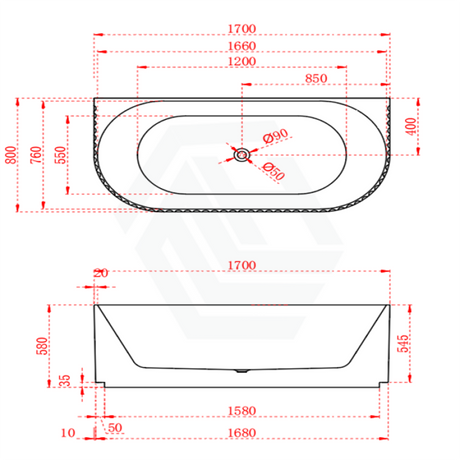
What your bathtub is made from has an impact. Resurfacing a cast iron bath will take longer and require more specialised coatings, and therefore cost more than a more common acrylic bath, and the size of the bathtub also makes a difference. A 1,500mm long drop-in bath is easier to resurface than a 1,700mm freestanding unit, and the amount of damage also plays a part. Light stains on the surface are fairly easy to tackle, but deep chips, stress fractures or mould that has taken root require attention first, which increases the overall cost.
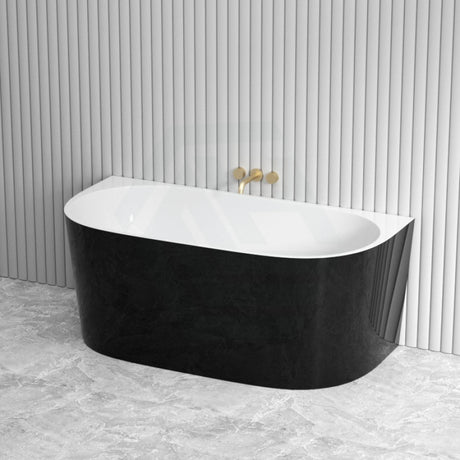
Labour costs also differ around the country and, as usual, Sydney and Melbourne are the most expensive. Adding new coloured finishes will increase the price as there is more prep work and product used, so going from a dated bone-white to a fresh modern white or even a moody charcoal will cost more. A non-slip finish may also cost a little more but is worth considering.

DIY vs Professional Resurfacing: Which Is Worth It?
Now you know how the price can change, you can start to consider whether to do-it-yourself, with a kit, or engage a professional for the work.
A DIY resurfacing kit at $50 to $150 is appealing, but the main reason for DIY failures is surface preparation. Not thoroughly cleaning and acid etching the surface, applying coating in high humidity — a concern in Australia's coastal cities — and the lack of appropriate ventilation will cause a poor finish and the tub will be peeling in months. Professional resurfacing involves hazardous isocyanate-based coatings requiring proper PPE and ventilation, something that is difficult to replicate safely in a domestic setting.
Professional resurfacing specialists will not only have the right equipment and appropriate coatings but will also use their expert knowledge and experience to assess the bathtub surface before work begins. Professional resurfacing will have between 24 and 72 hours cure time, with the bathroom being off limits, and the majority of resurfacing specialists will warranty their work, typically between one to three years. Beyond the cure time and warranty, ventilation is another critical factor to get right before any resurfacing work begins — the National Construction Code also requires that bathroom exhaust ventilation meets minimum standards — a windowless wet area needs at least 25 litres per second of extraction (NCC 2022, ABCB Housing Provisions, Part 10.8) — so ensure your bathroom ventilation is functioning properly before any coating work begins.
Once you're satisfied your ventilation is up to scratch, it's also worth considering the structural condition of the bath itself — for cast iron baths, if the cracks are severe, or if the bath waste or overflow is to be removed as part of the surface preparation, this is a job that must be done by a licensed plumber. The disconnection and reconnection of waste water plumbing and bath waste fittings is a licensed job, period.

How to Get the Most Out of Your Resurfaced Tub
Regardless of the path you follow, the ultimate durability of a resurfaced finish comes down to how well the finish has been looked after post-curing.
Allow 24 to 48 hours — and potentially even 72 hours in cooler or more humid conditions — before using the bathtub after resurfacing. This is an important step. Premature disturbance in this period is the quickest way to reduce the life of a resurfaced surface.
When the tub is back in service, proper care goes a long way. Abrasive scrubbing powders and bleach spray detergents are known for their corrosive effect on coatings and will wear away the topcoat much faster. A pH neutral bathroom cleaner and a microfibre cloth or non-scratch sponge will help ensure the service life of the coating remains close to the maximum of ten years. Knowing how to clean a bathroom properly — using gentle, non-abrasive products throughout — is just as important for a resurfaced tub as it is for any other bathroom surface. Similarly, knowing how to clean toilet bowls and other fixtures with pH-neutral products will help you build good habits across the whole bathroom.
While you're keeping on top of regular cleaning, it's also worth periodically checking the waterproofing on the adjacent bath walls is especially relevant if any resurfacing work has been done near the surround. The NCC 2022 Housing Provisions state that the wall adjacent to a bath must be waterproofed at least to 150mm (AS 3740:2021) (NCC 2022, ABCB Housing Provisions, Part 10.2) above the bath rim. If resurfacing work has extended near the surround and hob, make sure the waterproofing of the surrounding area is fully intact before using the bath again. A bath caddy costs between $29 to $139 and is a practical way to keep bottles and accessories off the bath surface and avoid scratches. While inspecting the bathroom, also check for a dripping tap near the bath or basin — even a slow drip can cause mineral staining on a freshly resurfaced surface over time.
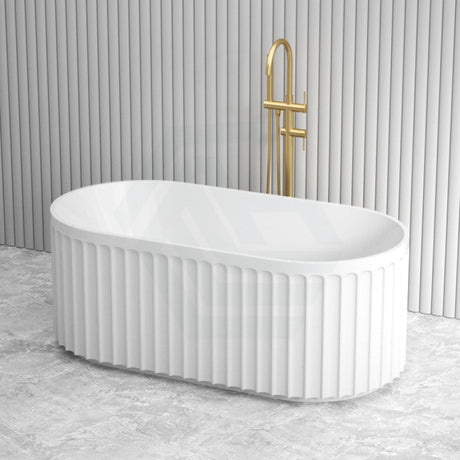
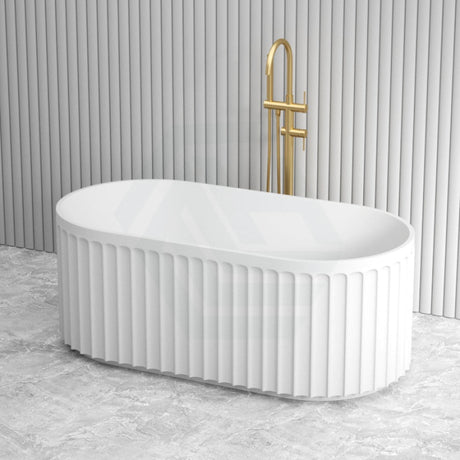
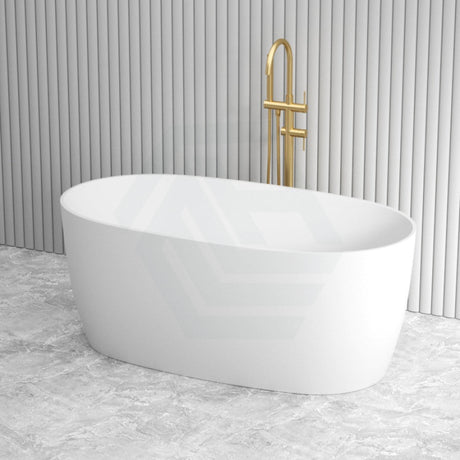
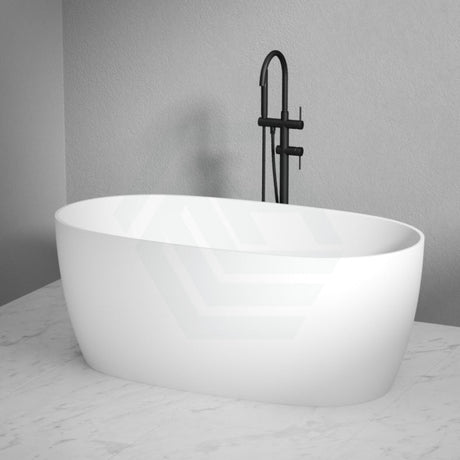
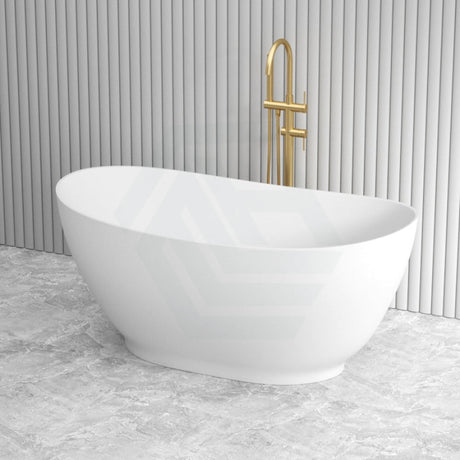
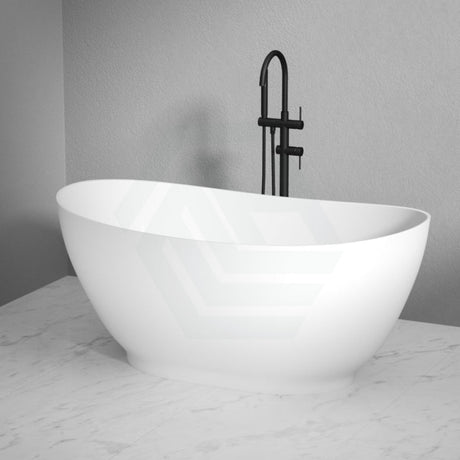
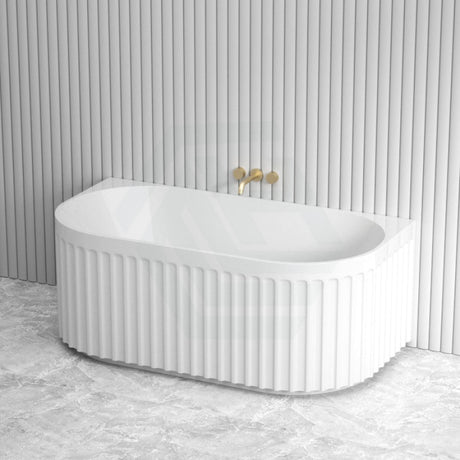
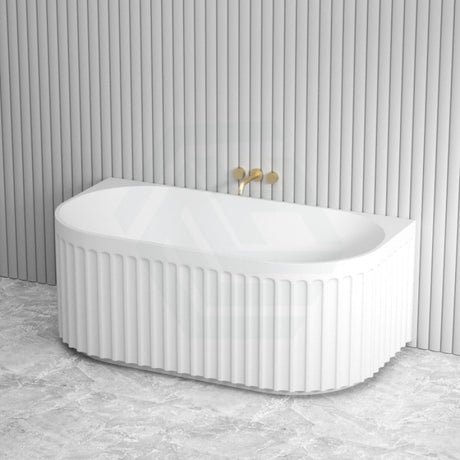
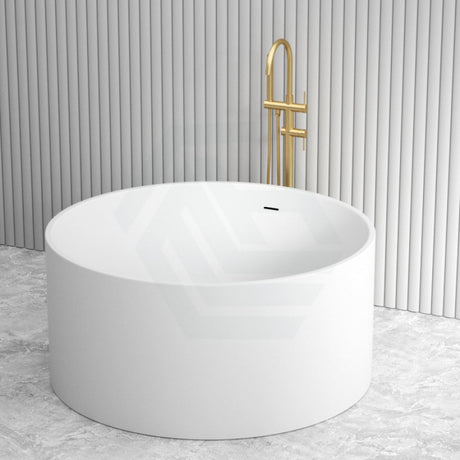
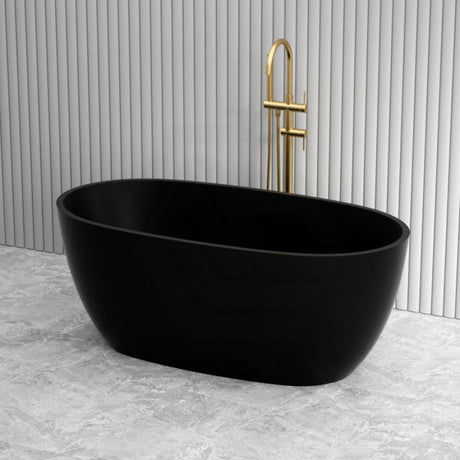
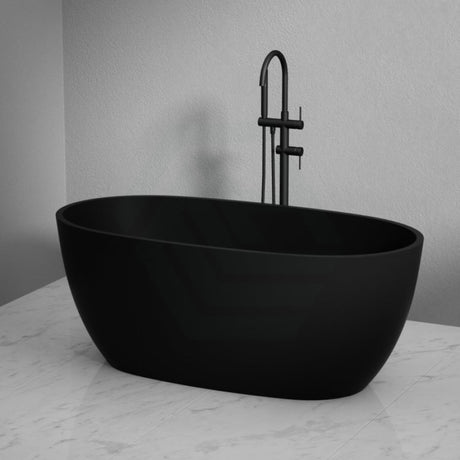
At some stage the coating will have reached the end of its serviceable life, visible either as a change in lustre or flaking at the edge. The decision then is to have another cycle of resurfacing which is perfectly possible and will continue to be more cost-effective than replacement or, if the structure of the tub itself has failed through cracking or the fibreglass backing has become brittle, you will be better off replacing the whole bathtub. If you are considering an upgrade, elegant options such as claw foot bath tubs or a compact 1500 freestanding bath are worth exploring, a 1500mm bath tub in particular suits many standard Australian bathroom layouts. Overall, the bathtub resurfacing cost across two cycles will still be less than the bathtub replacement cost including installation.
References
HIA (Housing Industry Association) — Bathroom Renovation Cost Guide 2025
National Construction Code 2022, ABCB Housing Provisions, Part 10.8 Condensation Management
National Construction Code 2022, ABCB Housing Provisions, Part 10.2 Wet Areas
AS 3740:2021 Waterproofing of Domestic Wet Areas, Standards Australia