14 April, 2026
Bath Resurfacing: How to Restore Your Bathtub Without Replacing It
Bath resurfacing guide: restore your bathtub without replacement. Compare spray-on, roll-on and professional glazing methods, costs, longevity and maintenance tips to extend your tub's life affordably.

How to Restore Your Bathtub Without Replacing It
Consider this familiar situation: your tub is worn out, there are chips on the rim, the finish is yellowed no matter how many times you scrub, there are stains that are here to stay. You've been browsing the web for other options, doing the maths in your head for the next purchase, but a new tub is very expensive. Bath resurfacing is a fraction of the cost of a new tub, and the process is faster than you probably think.
The Tile Situation: When Resurfacing Makes Sense vs Full Replacement
Not all baths are in such a sorry state that they can be thrown away and replaced. If the underlying structure is sound, no cracks through the base, no warping when full, no persistent leaks, bath resurfacing is likely your best option.
If you have a stained or discoloured tub or chips or other cosmetic damage to the surface, then you're probably in the resurfacing camp. Bathtub resurfacing is very good at dealing with those problems.
However, if the tub has significant structural cracks that aren't just superficial chips, if it flexes a lot or has mould underneath it or leaks, and you are thinking of a new design scheme, then a new tub might be for you.
If you're on a budget (under $2,000, say), then resurfacing is the better option. But if you are in the market for something that will last you 20 years (meaning $3,000-plus), then the best option is going to be replacement.

Resurfacing Methods Explained: Spray-On, Roll-On and Professional Glazing
There are three types and they are all different. A two-component industrial acrylic coating sprayed onto your bathtub with specialised equipment is the most popular option for professional bath resurfacing. The average price for a standard bathtub will be in the range of $800 to $1,200 and it will last around 5 to 10 years, and the finish is smooth and even.
Roll-on epoxy coatings (typically two-component epoxy paints) are the do-it-yourself bathtub resurfacing option. The coating can cost you between $200 to $400 for materials and it will only last about 3 to 5 years. The finish is a little more textured, and applying it is not as easy as the paint can instructions lead you to believe; it takes a bit more skill than you think.
Finally, there's professional porcelain glazing. Specialist refinishers will apply this coating and it will last 10 to 15 years. The downside is it's not as inexpensive as the other options, usually costing $1,000 to $2,000 for a standard bathtub and colour choices are limited, but if longevity is a factor, you will be happier with this result.

The Resurfacing Process: What Happens and How Long It Takes
A good resurfacer will check for any significant damage which can render the bath unworthy of resurfacing. The next step is deep cleaning and chemical etch treatment, giving the new coating something to grip onto (a very important step and one DIY resurfacing kits often get wrong).
Once cleaned and rinsed, masking tape and drop cloths are used to mask off any fixtures that will get caught up in the process as well as areas that need protection from the paint. Once you're ready to roll, the priming coat is applied and the next day your first or second coat of paint or epoxy or resin is applied.
For the standard spray-on, it takes a professional about a day to resurface your tub. However, there is the curing time to think about—you'll need to wait 24 to 48 hours before using your tub, so you are looking at two to three days minimum of downtime. With a do-it-yourself epoxy kit the cure time can go up to 5 to 7 days. Professional spray-on labour adds $400 to $800 in costs, on top of materials.

So, How Much Is This Actually Going to Cost?
First, here are ballpark figures on bathtub resurfacing cost.
Professional spray-on: $800 to $1,200 total cost. DIY epoxy: $200 to $400 for materials (plus your time and genuine risk of poor application). Professional glazing: $1,000 to $2,000.
For a point of comparison, a standard replacement bathtubs from suppliers would be $800 to $1,500. Adding professional installation at $600 to $1,500 puts you at $1,400 to $3,000 total.
In other words, bath resurfacing can save you between $200 and $1,800. Note, however, that a professionally sprayed bathtub typically lasts 5 to 15 years versus a new bathtub at 15 to 25 years.

Maintenance and Longevity: How Long Your Resurfaced Bath Will Last
Here's the number one thing to remember: don't use abrasive bathroom cleaners. That means no scouring pads. When you research how to clean bathtub surfaces after resurfacing, the answer is the same—use a mild detergent and water with a soft microfibre cloth and perform a light weekly cleaning to minimise mineral buildup.
What about how long a resurfaced tub lasts? You have to consider your choice in materials. Professionally spray-coated acrylic gives you 5 to 10 years, roll-on epoxy coating lasts 3 to 5 years, and professional glazing stretches to 10 to 15 years. The typical signs of finish failure include dull spots, minor chips, and yellowing, all of which you can fix with re-resurfacing costing the same amount ($800 to $1,200).
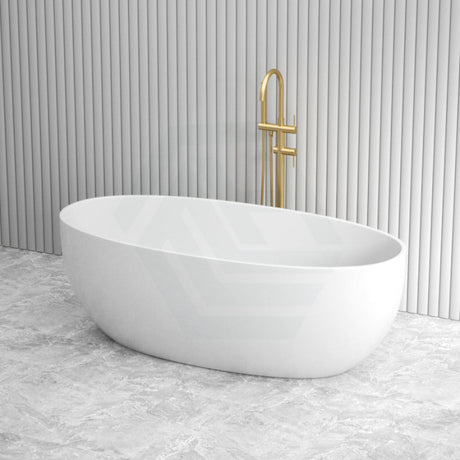
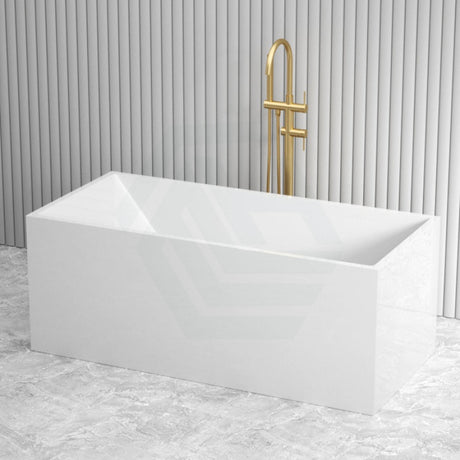
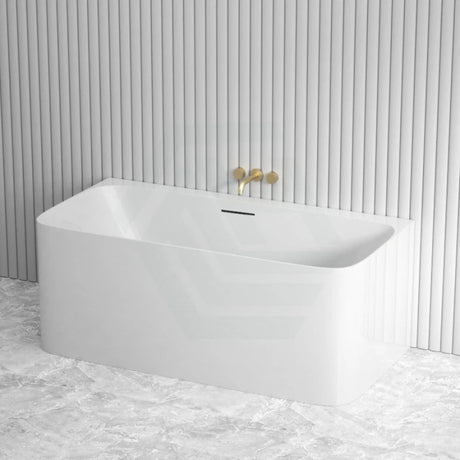
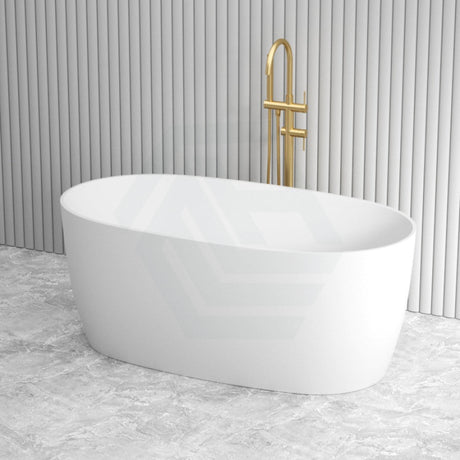
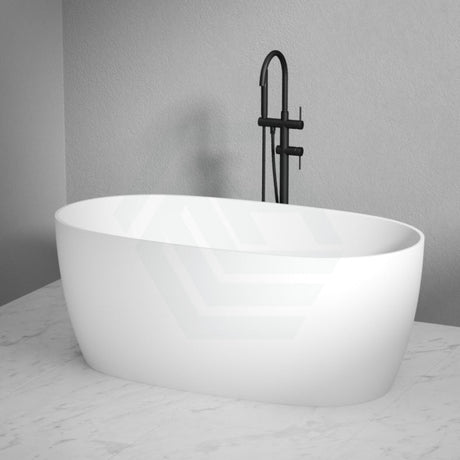
If you're also looking at acrylic bathtubs or free standing bathtubs as future replacement options, resurfacing can help you budget for a renovation project down the track. You are simply choosing a resurfaced bathtub as a short-term solution while you plan the long-term upgrade.