07 May, 2026
How to Install Bidet Toilet Seat: Complete DIY Guide
How to install a bidet toilet seat: step-by-step DIY guide with measurements, T-valve connection and troubleshooting. Easy Australian upgrade for superior hygiene and comfort.

What Is a Bidet and Why Install One?
Honestly, if you haven't given this much thought, you might not yet see the appeal of installing a bidet seat. But here it is: what is a bidet, exactly and how to install a bidet? In Australia, it's an add-on, replacement toilet seat that connects to your cistern water line (and in the case of electric models, to a nearby power point). It's not the type of bidet found in most European bathrooms that are built as fixtures and bolted to your bathroom floor. If you have one of those, there's a good chance you don't have room for another fixture in there.
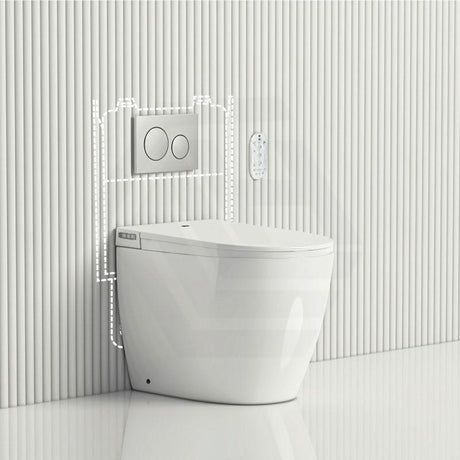
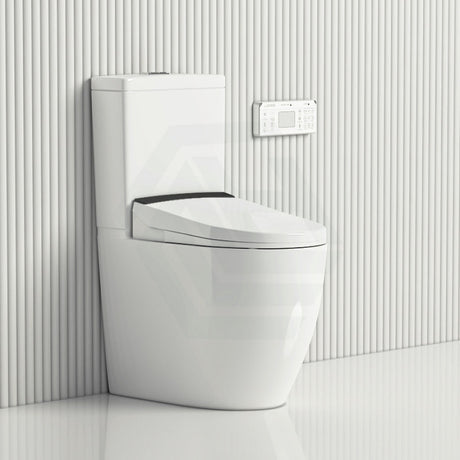
So, what else do bidets have going for them? Using around 0.5 to 0.6 litres of water per wash cycle, they're a good way to go if you're looking to reduce your household's annual usage of toilet paper. In Australia, there are mainly two categories widely available. You can choose a cheaper, non-electric wash-only bidet seat (ranging anywhere from $80 to around $200), or you can pay for the more advanced electric bidet, which includes heated water, warm air drying, a night-light, and a toilet seat warmer for chilly mornings. Electric bidet seats from brands like Poseidon, Fienza and Kohler range from about $300 up to $1,846. In either case, installation is a straightforward DIY job, and this bidet installation guide is here to help. Once you've figured out which type of seat suits you, make sure you have all the right materials before you attempt installation.

Tools and Parts You Need Before You Start
Measure first. I cannot stress enough how important it is to take accurate measurements before starting a bidet toilet seat install, or you may end up regretting the lack of preparation. You'll need to check the shape of the bowl (round or elongated), the seat mounting hole spacing (standard Australian centre-to-centre distance is 150 mm, although older bowls may vary), and the size of your cistern inlet thread, which is typically 3/8 inch BSP on most Australian toilets.
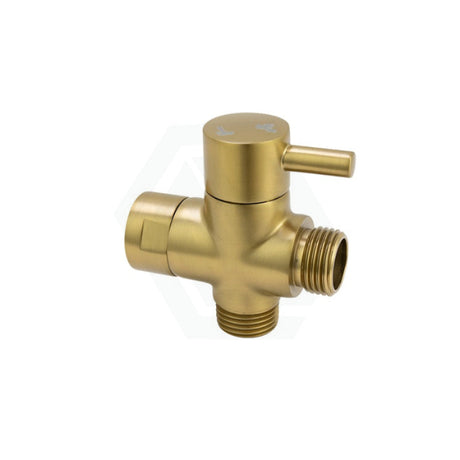
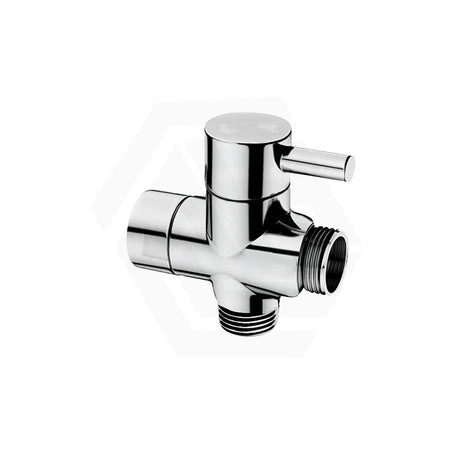
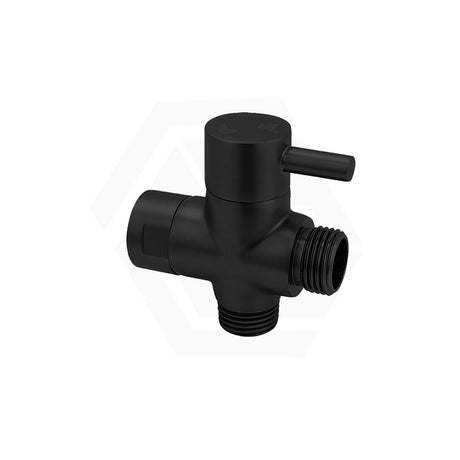
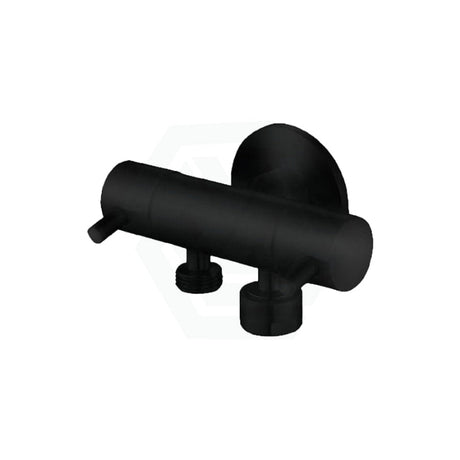
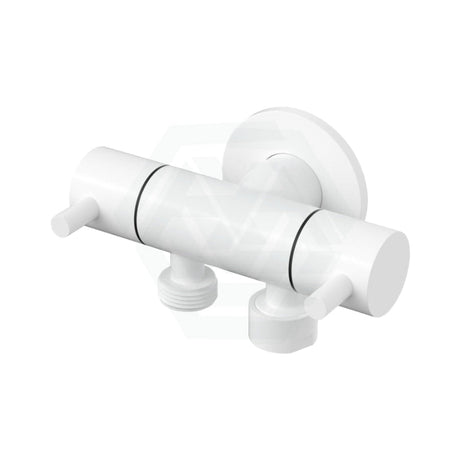
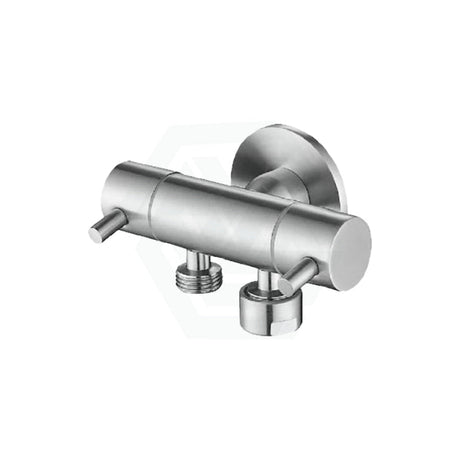
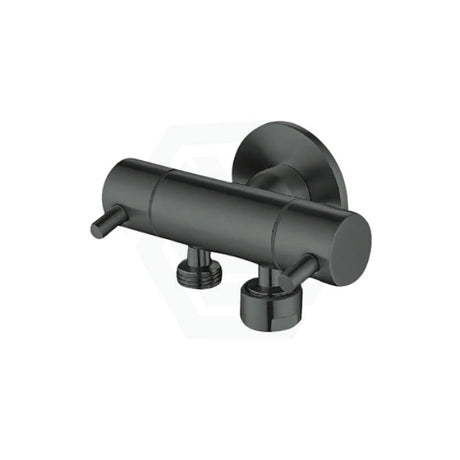
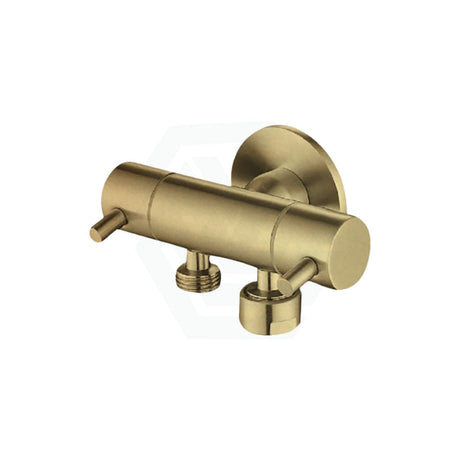
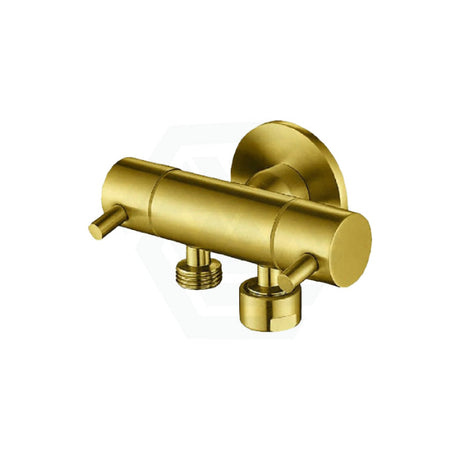
For tools, an adjustable spanner, a flathead screwdriver, a bucket, and a towel are all you'll need for the actual installation. You'll also want PTFE thread seal tape and a T-valve: the T-valve, a small T-shaped diverter, slots between your cistern and your supply hose, splitting the water line so the bidet's dedicated hose can connect. Make sure both the T-valve and the bidet supply hose carry WaterMark certification (WaterMark Certification Scheme), as some local authorities will not approve plumbing parts without this mark — and from May 2026, all WaterMark-listed products must also be lead-free. If you're looking at an electric bidet, check that a grounded power point exists within about 1.2 metres of the toilet before you buy anything, because adding a new GPO is licensed electrical work, full stop. After confirming your tools and measurements, you're ready to install a bidet toilet seat yourself.

Step-by-Step Bidet Toilet Seat Installation
Knowing how to install bidet toilet seat components properly comes down to following the sequence without skipping steps. Here's the full process from water shut-off to first test wash. Most non-electric models take 30 to 45 minutes; add around 15 minutes if you're fitting an electric seat.
To begin, turn off the water supply valve at the wall behind or beside the toilet. Flush the toilet to drain the cistern — twice if you don't want to gamble. Place your bucket and towel under the supply hose connection before you loosen anything, as there is always residual water. There always is.
Unscrew the plastic bolts underneath the rear of the bowl to remove the old toilet seat. Attach the bidet's mounting plate to those fixing holes, tightening firmly by hand plus a quarter turn — do not over-tighten on porcelain. Disconnect the existing supply hose from the cistern inlet and wrap three to four layers of PTFE tape around the inlet thread in a clockwise direction. Thread the T-valve onto the inlet, refit the original supply hose to the lower port of the T-valve, and connect the bidet's dedicated supply hose to the side port. Tighten each connection by hand plus a quarter turn. Fit the bidet seat onto the mounting plate and click it into place. Turn the water back on and check all connections for leaks. If you are installing an electric bidet, plug it into the power point last — only after water connections have been verified as secure and free of moisture.

Electrical and Water Connection Considerations
For an electric bidet, particular considerations apply. AS/NZS 3000:2018 defines bathroom electrical zones (AS/NZS 3000:2018) and minimum clearance requirements between water outlets and electrical points. Ensure your power point is correctly located and RCD-protected. If you don't already have a power point adjacent to your toilet, a licensed electrician must install one — don't cut corners there.
A functioning electric bidet seat requires household water pressure between 140 and 550 kPa. Too much or too little pressure can result in poor spray performance or damage the internal solenoid valve. For electric smart seats, the toilet seat warmer and wash water heating features will draw on your hot water supply continuously, so temperature limits matter — per AS/NZS 3500.4, wash water temperature at the outlet should never be set above 50°C to prevent scalding. Any water supply pipe modification beyond connecting the T-valve to the toilet cistern's existing inlet must only be undertaken by a licensed plumber (state plumbing licensing legislation). Check your state/territory requirements accordingly.

Troubleshooting Common Issues
The most common problem when learning how to install bidet toilet seat fittings is a dripping T-valve — usually from insufficient PTFE tape or a thread not seated properly. Shut off the water, undo the connection, add more tape, and refit.
If your bidet seat is wobbly, check the mounting plate alignment and your bowl shape. An elongated bidet seat will not sit correctly on a round toilet pan, and vice versa.
Weak spray is usually caused by a blocked inlet filter screen where the hose attaches to the seat assembly. Unscrew it, rinse the filter under the tap, and refit.
If your electric bidet won't turn on, first check whether the power point is live, then check whether the RCD in the switchboard has tripped. If the RCD keeps tripping, stop using the bidet immediately and report the fault to the manufacturer.
References
WaterMark Certification Scheme, Australian Building Codes Board
AS/NZS 3000:2018 Electrical Installations (Wiring Rules), Standards Australia
AS/NZS 3500.4 Plumbing and Drainage — Heated Water Services, Standards Australia
State plumbing licensing legislation (VBA Victoria; Fair Trading NSW; QBCC Queensland; Building Practitioners Board WA; CBOS Tasmania; ACTPLA ACT; Building & Energy SA; ABPB NT)