04 June, 2026
Bathtub Shower Combo Ideas for Australian Bathrooms
Discover smart bathtub shower combo ideas for compact Australian bathrooms. Practical design tips to save space and boost comfort.

Video Credit: Top Best Picks
What Makes a Bathtub Shower Combo Work in Australian Bathrooms
Consider entering your bathroom but having it double up as a shower without missing out on an inch of comfort. This is the beauty of a bathtub shower combo if your bathroom is planned properly. An Australian bathroom is usually compact, or it is in an apartment. In this case, an alcove bathtub with shower is a necessity rather than a choice.
A standard bathroom footprint of 2400 × 1500 mm makes a separate shower and tub a difficult option. A combo setup allows the bath's footprint to accommodate both functions at once. You need at least 1500 mm for comfortable adult bathing, and 1700 mm is the most popular size in Australia.
Water efficiency matters here too. A showerhead and mixer with a good Water Efficiency Labelling and Standards (WELS) rating is essential. A 3-star or higher rated showerhead uses 7.5 litres per minute or less, which adds up to real savings over time. Effective exhaust ventilation is equally important for a shower-over-bath setup — the NCC requires a minimum airflow of 25 L/s for a bathroom exhaust fan.
With a grasp of the floor plan size you need and your water efficiency requirements, you can select from a range of layouts.

Popular Bathtub Shower Combo Layouts and Configurations
Alcove, corner, and back-to-wall bathtub shower combo ideas are the most popular configurations found in Australia.
The alcove or recess configuration is the most common — the bath sits within three finished walls, within a niche that usually measures 1500–1700 mm between finished walls. This is the most affordable of the three and generally the easiest for plumbing rough-in.
The corner configuration suits a larger bathroom footprint of 3000 × 1800 mm or more. The bath tucks into a corner, two walls form a natural enclosure, and a screen closes off the remaining open side. Corner baths run from around $958 to $2,085 AUD and tend to feel more generous in use — great if you want a more relaxing experience without going freestanding.
A back-to-wall configuration places one flat side of the bath flush against a fully tiled wall, with the longer open side facing the room. This works well in a bathroom with a wider footprint. Keep in mind that the plumbing rough-in position differs from an alcove install, so when retrofitting, consult a licensed plumber on the existing waste and supply positions before deciding on a layout.
With your layout in mind, the bath unit itself becomes the central decision — and what you choose will have implications for structure, cost, and shower compatibility.

Choosing the Right Bath Type for Your Combo Setup
Here is where things get more specific — and where some common assumptions can steer you off course. Freestanding baths look beautiful but simply do not work for combo setups: there is no structural surround to mount a screen to, most models lack an overflow, and a freestanding bath requires at least 1.8 m of clear floor space all around. So let us focus on the two bath types that actually work.
A built in bath — also known as a drop-in bath — sits within a tiled surround or hob, and is the classic alcove combo solution. Acrylic is the dominant material: lightweight, warm to the touch, and affordable — drop-in acrylic baths start from around $312 AUD. Broadway is a reliable brand here, offering a wide range of acrylic drop-in options in both 1500 mm and 1700 mm sizes. Stone resin baths are significantly heavier at 80–120 kg when empty, meaning your floor structure will need to support the added weight.
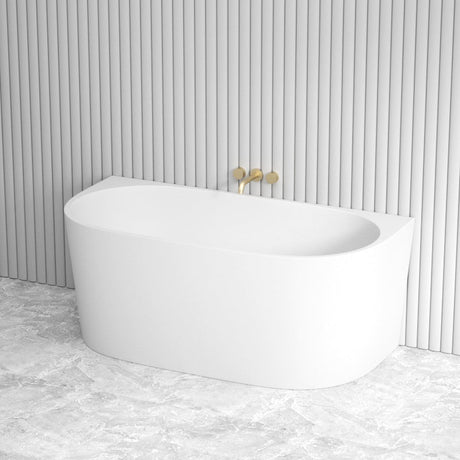
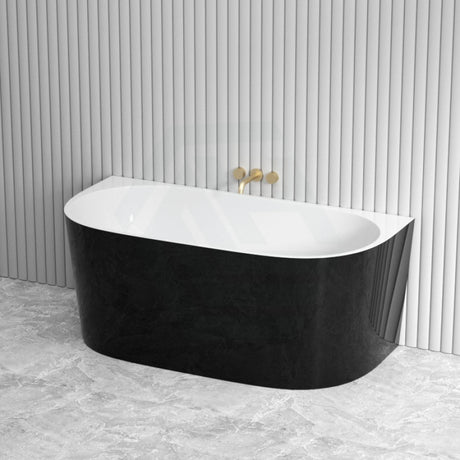
A back to wall bath has one finished side facing outward while the other sits flush against a tiled wall. With an overhead shower and a screen along the open long side, this is also a practical combo option. These are priced from $938 to $2,085 AUD depending on dimensions and material. Poseidon is a solid brand to consider here.
Note that back to wall bath units must be fitted after waterproofing is complete — confirm the order of works with your trades before they begin.
Once you have chosen your bath type, the enclosure becomes the next decision — and the area with the most visible design latitude.

Shower Screens, Curtains, and Enclosure Options
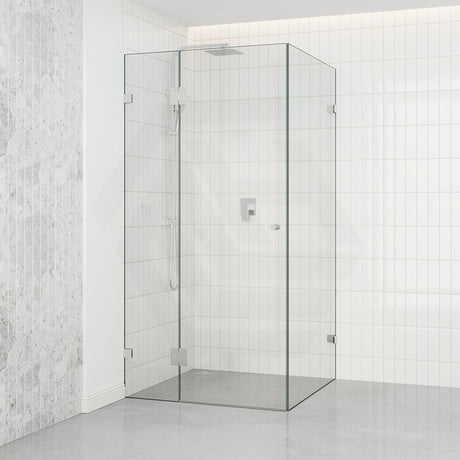
Over bath shower screens offer the best all-round option for practicality, style, and ease of maintenance. Covey is a strong brand for this application, with a wide range of frameless and semi-frameless designs. Glass thickness matters: framed screens require a minimum of 4 mm toughened glass, while semi-frameless and frameless screens require a minimum of 6 mm. Heavy frameless glass is also available at 10 mm, which delivers a premium look but requires a very sturdy wall for hinge and hardware mounting. All shower glass must comply with AS/NZS 2208 safety glass standards, evidenced by a compliance mark on the glass. Over bath shower screens are priced from $130 to $2,550 AUD, with the sweet spot at $400–$800 for a semi-frameless hinged or pivot screen — robust, easy to clean, and visually light. Screen frames are typically aluminium, which is lightweight, corrosion-resistant, and available in finishes such as matte black, brushed nickel, and chrome, or stainless steel for greater durability. Both materials suit Australia's damp bathroom conditions.
A shower curtain offers a simpler, lower-cost solution — particularly for renters or short-term setups. A ceiling- or wall-mounted curtain rail with a quality waterproof liner is all that is needed. Be aware, though, that a curtain will not contain water as effectively as a screen and requires regular cleaning to prevent mould.

Installation Considerations and Common Mistakes to Avoid
Bathroom failures are costly, and most stem from waterproofing failures. The NCC requires that walls in wet areas be waterproofed to a minimum of 1800 mm above the floor substrate, and that walls adjacent to a bath be water resistant to at least 150 mm above the vessel. Waterproofing and water resistance are not the same — do not use the terms interchangeably. In most Australian states, waterproofing must be carried out by a licensed waterproofer, who will issue a certificate of compliance on completion.
Common mistakes with shower-over-bath setups include: failing to waterproof shower areas to 1800 mm, which is non-compliant and exposes the structure to long-term water damage; applying silicone seal intermittently rather than as a continuous bead, or failing to replace it when it cracks or lifts; and undersizing the waste outlet. While a 40 mm waste diameter is the minimum for a shower-over-bath setup, a 50 mm waste outlet is strongly recommended to handle the higher flow rate of a showerhead. If the existing floor waste needs to be relocated — even by as little as 150 mm — this adds cost and requires a licensed plumber.
Tiles should be fixed to a properly waterproofed substrate with correct adhesion, grouting, and setting. Acrylic wall panels are a practical alternative for rentals or renovations, given their ease of installation and low maintenance — but even then, all joints between the screen and bath must be fully sealed. A licensed plumber must carry out all work relating to water supply, waste, and overflow connections. Waterproofing must always be inspected and approved before tiling begins on surrounding wall surfaces. This process ensures the longevity of your bathtub shower combo ideas in practice.
References
National Construction Code 2025, ABCB Housing Provisions, Part 10.8 Condensation management
National Construction Code 2025, ABCB Housing Provisions, Part 10.2 Wet area waterproofing
AS 3740:2021 Waterproofing of Domestic Wet Areas, Standards Australia
AS/NZS 2208:2023 Safety glazing materials in buildings (incorporating Amendment No. 2:2025), Standards Australia