

03 June, 2026
Bathroom Remodel Ideas for Australian Bathrooms
Discover practical bathroom remodel ideas for Australian homes. Plan your budget, scope, and style with our helpful renovation guide.

Video Credit: Bathroom Remodeling Teacher
Know the Scope of Your Bathroom Remodel
First of all, close your eyes and visualise that bathroom. Now imagine it turned into exactly what you need, whether it's fresh and pristine, practical and accessible, or simply elegant. But before you start knocking down your ceramic tiles, you first need to have a plan and a budget.
You first need to determine the size of your bathroom remodel. Is it as simple as a cosmetic update, which might entail getting new tapware, fresh paint, and updated bathroom accessories? That can be completed in just a few days, without spending a fortune as it would cost in a complete bathroom renovation. Or do you want a full scale remodel with plumbing relocation, waterproofing replacement, and perhaps development approvals that you might need from your state or territory? Getting a timeline or a budget wrong is probably the number one mistake homeowners make when exploring bathroom remodel ideas.
In a bathroom remodel, you need to comply with AS 3740, which is the waterproofing standard. Most states enforce that all waterproofing work needs to be completed by a licensed waterproofer and never a general tradesperson. Plumbing connections must only be made by a licensed plumber, and any electrical work — from exhaust fans, to heated towel rails and LED bathroom mirrors — must be completed by a licensed electrician. Be sure you check your state or territory requirements before hiring anyone.

Consider Layout and Space Planning in Australian Bathroom Remodels
With the scope and regulations of a bathroom remodel understood, now you can look at your bathroom's layout and how you would be using the floor area.
Standard Australian ensuites typically measure around 1500 mm × 2100 mm, while main bathrooms are often closer to 1800 mm × 2400 mm (NCC 2022, ABCB Housing Provisions, Part 10.2). It is important to have at least 900 mm of open space in front of any fixture in order to be used easily and safely. Door opening is another key component because its position is likely to reduce floor space available. This must be considered before any design work begins.
Another aspect to consider is the placement of the wet zone. Relocating any plumbing adds $3,000 or more so keeping plumbing as is whenever possible is a prudent solution. Consider if a shower and bath combo are necessary in your household use, or if you just need a shower recess, so the space seems larger. Finally, consider ventilation as mechanical ventilation is required in order to comply with AS 1668.2 or the bathroom will always have mould and mildew.

Materials, Fixtures and Budget Considerations
Once you've mapped out a solid layout and floorplan, think carefully about what those floors, walls and specific fixture locations actually comprise — and what each item costs. For a standard bathroom renovation, expect a budget of anywhere between $10,000 and $35,000 (HIA Bathroom Renovation Cost Guide 2025) or more, based on scale and location, as well as the fixtures chosen. Renovations in major cities such as Sydney and Melbourne tend to be more expensive due to higher labour costs. For a basic cosmetic upgrade, budget around $10,000–$15,000; a complete structural overhaul with high-end fixtures could cost from $25,000–$40,000 or more.
For wet area flooring, Australian homes predominantly use porcelain tiles. They're durable, easy to clean and can be bought in sizes from 300 × 300 mm to 600 × 1200 mm. Ceramic tiles are cheaper per square metre but are less dense than porcelain tiles and therefore better suited to walls than floors. Natural stone tiles also exist and are beautiful yet require more care to seal and keep clean, which some families may find cumbersome. Whatever tile you buy for the wet area floor, ensure you choose one that complies with the P-rating of AS 4586 — it's a vital consideration.
The finish of your tapware can also add to the cost. Chrome, for example, is the most resilient and the easiest to keep clean. For statement bathrooms, you can go all out with brushed brass or matte black tapware. They work particularly well against neutral and stone-look tiles, but water spots are likely to show on these finishes and you may need to use milder detergents for cleaning them. Whichever the budget, don't compromise on the waterproofing, which is a permanent fix behind your walls and floors once the tiles are laid.

Vanity, Toilet and Storage Options
You've decided your materials and set a budget. It's a good time to take a closer look at the main bathroom fixtures that appear across the majority of bathroom remodel ideas for the Aussie bathroom.
A wall hung vanity is a good option for most smaller bathrooms, as its design gives an ultra-sleek look, it clears up visual space and makes the floor easier to clean. Just remember to check with your builder to confirm your framed wall can support the load before you buy. Sizes generally range from 600 mm to 1200 mm wide, while the benchtop height is generally around 860 mm. Basin mixers and overflow outlets aren't typically part of a vanity unit purchase.
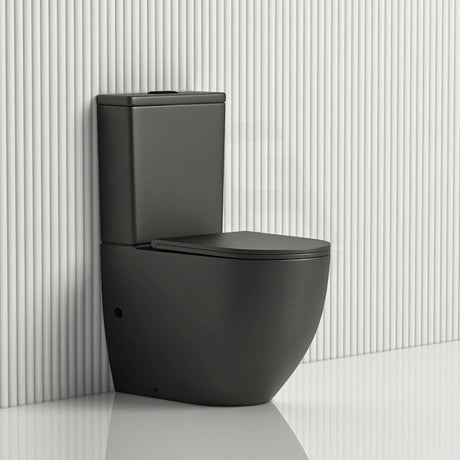
If you're after a clean and sleek finish, the back to wall toilet suite is your choice, as its cistern is concealed within a wall panel. This also saves valuable space on the floor, particularly in smaller bathrooms. Choose a WELS 4-star suite — 4.5 L full flush and 3 L half flush — to keep your water bills down. All plumbing products in Australia must be WaterMark certified, so check this before you buy. Don't forget storage, too. A shaving cabinet recessed into the wall above the basin is a practical storage solution that does not invade the room. Similarly, a tiled niche inside the shower performs the same function — practical, stylish, flush with the wall.

Baths, Showers and Finishing Touches
Now we've covered the vanity and toilet, it's time to focus on the bath, shower and those important finishing touches that will take your bathroom to a higher aesthetic standard.
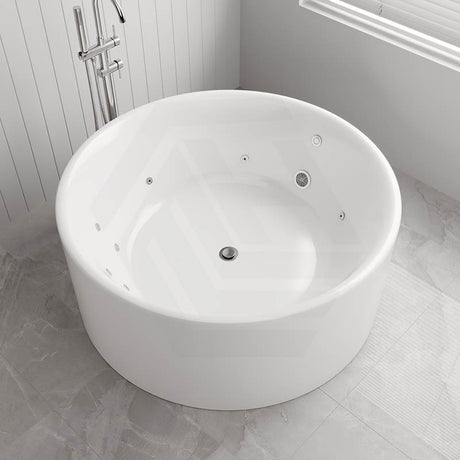
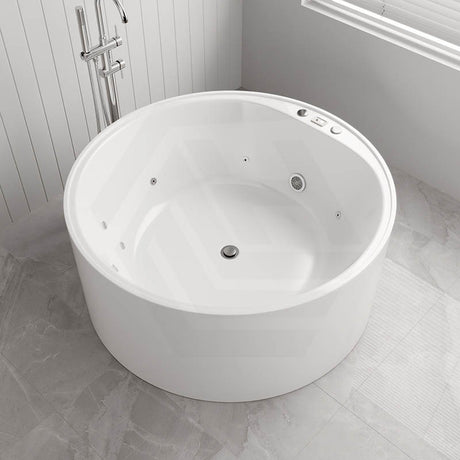
A freestanding bath makes a great feature bath, especially if it's placed under a skylight or adjacent to a window. It will need a clear floor space of a minimum of 1800 mm, and the floor waste position must be planned before your bathroom is framed. Acrylic is the lightest and cheapest, from around $878, whereas stone resin baths are mid-price and are better at retaining heat. Cast iron is the heaviest, most durable and most expensive. Check with your builder or structural engineer to confirm the floor will take the weight of a stone resin or cast iron bath.
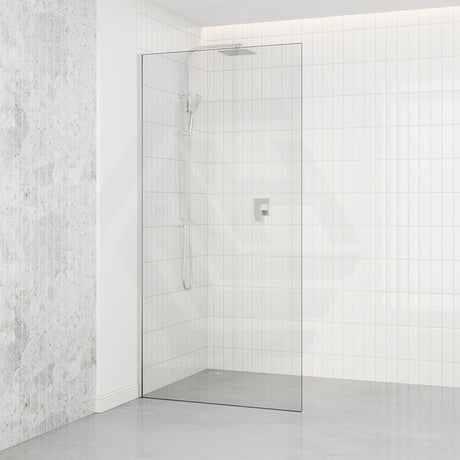
A shower recess should be a minimum 900 mm × 900 mm to allow enough room for daily showering. A frameless shower screen looks great and contemporary, but must comply with the safety glazing requirements in AS/NZS 2208. Shower floors must be laid correctly and sloped to the floor waste, as standing water is the single biggest cause of waterproofing failures. Shower walls must be waterproofed up to 1800 mm above the floor substrate. Walls adjacent to a freestanding bath, or built-in bath, must be waterproofed up to at least 150 mm above the bath rim. Allow the waterproofing membrane to cure for between 24 to 72 hours before commencing tiling. Electrical products such as exhaust fans, heated towel rails and LED mirrors must comply with the electrical zone clearances in AS/NZS 3000:2018, and must be installed by a licensed electrician. Check your state or territory requirements. It's these finishing touches that will distinguish a bathroom that looks great for 20 years from one that looks old and tired in two.
References
HIA (Housing Industry Association) — Bathroom Renovation Cost Guide 2025
National Construction Code 2022, ABCB Housing Provisions, Part 10.2 Wet Areas
AS 3740:2021 Waterproofing of Domestic Wet Areas, Standards Australia
AS/NZS 3000:2018 Electrical Installations (Wiring Rules), Standards Australia