15 April, 2026
Bathroom Vanity Ideas: Storage and Style Solutions for Every Space
Bathroom vanity ideas for every space: freestanding, wall-hung and pedestal styles with smart storage solutions. Sizing tips, costs and practical design advice for Australian bathrooms.

Vanity Types Explained: Freestanding, Wall-Hung and Pedestal Options
I know this may come as a surprise, but I have spent what may be a disturbing amount of time looking over bathroom vanity ideas in the last year, for a number of reasons. A good amount of the time is because it is for work (shocker, I know) but also I am not 100 per cent sold on the vanity in my bathroom yet, which will have to remain a story for another day. Regardless, the bathroom vanity sets the tone for your whole bathroom, so the first step is having a good understanding of what you actually can and can't get before making your decision.
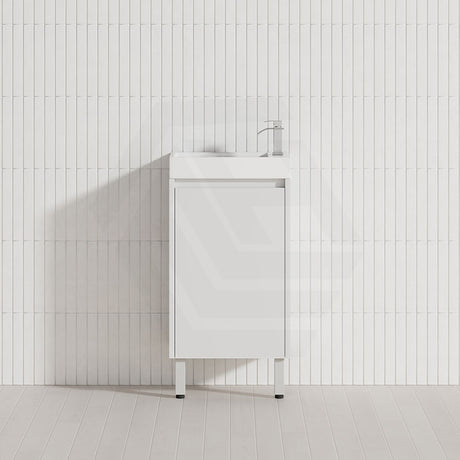
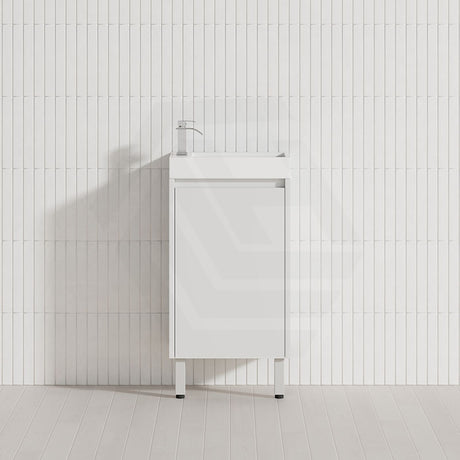
Freestanding vanities are usually set on either four legs or sit atop of a plinth base and remain the most common style found in Australian bathrooms. Pricing ranges from $300 to $1,000 depending on the material and size, they are easy to fit if you just have a couple of plumbing connections you need to make, and they provide more storage compared to the other two options. You could easily pick up a timber bathroom vanity from Early Settler or even some great MDF vanity options for under $500.
Wall hung vanities sit directly on your wall, with no legs touching the floor. This means you get a clean look on the bottom, similar to a luxury bathroom featured in a glossy magazine spread. Costs range from $600 to $1,500 all-in installed, the catch is you do need to reinforce your wall (plumber and carpenter required) to support the weight. Reece Bathrooms has a huge range and their store consultants are actually quite nice (I have met two so far) to help you through the requirements.
Pedestal vanities sit within a single pedestal, making them the most budget-friendly option at $200 to $600. They're great for a powder room, though the downside is minimal storage as you get the space of a tabletop surface and nothing more.

Storage Solutions: Maximising Drawer Space and Organisation
Okay, this is where things get practical with bathroom vanity ideas and where I'm sure you'll be kicking yourself if you missed a part in your bathroom makeover planning.
The type of drawer or cabinetry matters more than you may think. For instance, you'll need deep drawers for bulky items such as a hair dryer and a pile of fluffy towels, with shallow top drawers holding cosmetics and other daily items. A decent vanity with two to four drawers will set you anywhere between $500 to $1,500. The space beneath the sink (cabinets sold as stand alone units, costing $200 to $500) is difficult to utilise due to the plumbing, so some sort of removable storage caddy is likely best suited. Bathroom shelf ideas like open shelving on the wall next to or above your vanity will help take up less surface area and free up space (shelves range from $200 to $600) to leave more of your benchtop for items you want on show.
Finally, drawer dividers or organisation are the easiest upgrade that will see the most significant change. Look at a vanity that has a drawer depth of at least 300mm and a soft close mechanism that is able to take bathroom humidity; if you can't take that into account your drawer slides are going to rust in a year or two.

Not Considering Storage in Your Vanity Selection
Here is an error I witness on the regular (and I have certainly made this one too): buying a vanity because it looks stunning in the showroom but not considering the stuff it will need to accommodate. Your ordinary bathroom contains roughly 50 to 100 individual items – shampoos and other toiletries, prescription medications, towels, hair straighteners, cleaners, spare toilet rolls.
A pedestal vanity provides basically no storage for this kind of inventory. A skinny wall-hung version with a drawer will mean you end up having to add a few pieces of shelving, which could cost $300-800 to add once your new bathroom is built and you have returned home. The best bet is to inventory your items in your current bathroom before shopping for a vanity. Measure the size of the items, calculate the space they will take up and choose a vanity with the right storage volume to accommodate the amount of stuff you will need inside.
I have just been talking to a bathroom designer who advised that by far the most common regret she hears clients tell her six months after their renovation is insufficient vanity storage: something that looks good in the mood board but just doesn't fit the day to day lives of the family.

Sizing Your Vanity: How to Measure and Plan for Your Space
So, if you are still figuring out how to plan a bathroom renovation, sizing the vanity is one of the first decisions—you have to determine its length and width first before finalising your plumbing positions.
In Australia, a single basin vanity usually measures 600mm wide, a double 1,200mm wide, and a larger double can be 1,500mm. The depth is around 550 to 600mm generally. Perhaps the measurement most people get wrong is the clearance you allow for it: allow for 600mm between the front of your vanity and the wall (or other fixtures) on the opposite side, and 900mm minimum in front of it if a door swings into that location.
Vanity height is 850 to 900mm generally, with a lower accessible height of 800mm recommended for the elderly or for homes where a wheelchair user will need to access the unit. Measure your bathroom space in multiple spots to make sure you allow enough space, since walls will not always be parallel in older Australian homes, and make sure you check exactly where your plumbing will run, especially if it's being moved. It is very expensive to change plumbing positions after your vanity has arrived and doesn't fit.
If you're trying to squeeze everything into a small space, make sure you also consider your vanity size if you're getting a bath as well. 600mm wide vanities are common in conjunction with small baths of 1,500mm in Australian bathrooms, so you need to measure both carefully.

Installation Costs and Timeline for Vanity Upgrades
If you're trying to get a feel for the bathroom remodel cost of a vanity, here is what to expect.
An off-the-shelf freestanding vanity with tapware will run you $1,200 to $2,000 for a mid-range replacement and update which maintains your plumbing layout and locations. Plumbing labour for a standard installation typically runs $200 to $400, taking around two to three hours. However, wall-hung units command higher costs overall, estimated at $2,000 to $3,500 when factoring in structural upgrades, and require four to six hours of plumber time ($400 to $800 labour). If the drain or water line needs to be relocated, budget an additional $500 to $1,500 for these plumbing alterations.
Custom vanities ordered with bespoke timber or stone benchtops generally have a lead time of two to six weeks, making it crucial to order in advance. I recommend purchasing and finalising your vanity choice at least four to six weeks prior to your intended installation to prevent budget-busting delays that can push back the entire renovation schedule. For a comprehensive overhaul involving new plumbing, walls, tiling, and fittings, anticipate a project duration of three to four weeks and costs ranging from $4,000 to $8,000 or more. In contrast, a targeted vanity upgrade using a staged approach (where only the vanity is swapped while retaining existing plumbing) can be completed in two to three days at a cost of $1,200 to $2,000.
Replacing a vanity alongside the smallest bath tub that fits your requirements offers a quick way to refresh two of the bathroom's most significant features. It is worth keeping in mind, when planning your bathroom budget, what type of bathtub and vanity complement each other best. If you have a spa with bathtub on one wall and the right vanity on the other, the overall look will be harmonious and the whole room will be transformed as a result.