25 February, 2026
The Baking Soda Bath Trend
Baking Soda Bath Trend: Add 1-2 cups of baking soda to warm water for softer skin and soothing soaks. An affordable, simple wellness ritual worth trying.

Why Are People Using Baking Soda in Their Bathtubs?
Bathtubs have long been a centre for healing. Most of the time, that healing is more in the emotional and relaxation sense (a healthy dose of “ahh, I needed this”), but there are, of course, plenty of ways to add true healing benefits.
The most common method of using bathtubs or spa bathtubs for healing is with the use of Epsom salts. Rich in magnesium and sulphate and named after Epsom in Surrey, England, Epsom salts can be added to warm water to help soothe sore muscles, reduce inflammation and treat some skin issues.
After combining the emotional benefits of bathtubs with actual science, people have long been on the lookout for more ways to incorporate healing properties in the bathroom.
And the latest trend being touted by many is baking soda baths. Being described as a simple, affordable way to elevate the bathing experience, this pantry staple is being reimagined as a therapeutic addition to everyday use.
But what exactly are baking soda baths, and why are some suggesting it’s worth incorporating into a routine?

Why Baking Soda?
Baking soda, or sodium bicarbonate, has long been used for cleaning, deodorising and… baking. When it mixes with acidic ingredients, it creates carbon dioxide gas which is useful for various different uses.
From a cleaning point of view, this reaction with acid - which, for cleaning, is typically lemon juice - works as a gentle, non-toxic cleaner, helping get rid of grease and dirt while neutralising odours. Personally, it has saved my life when it comes to cleaning a microwave oven that I accidentally left to run too long…
Recently, it has entered the wellness spotlight with some health professionals suggesting that adding a cup of baking soda to warm bathwater can help soften skin, ease mild irritation and create a soothing, spa-like experience in the bathtub.
Part of the appeal lies in accessibility. Unlike bath bombs, baking soda is easy to find and relatively cheap. The latter point is especially poignant for anyone who has tried asking supermarket staff if they stock any Epsom salts.
In an era where cost-conscious wellness is on the rise, this simplicity should resonate with people. Health professionals are always pointing to simplicity and minimal living, and using baking soda ticks off both those boxes, avoiding any unnecessary additives like chemicals or fragrances.
The Soothing Experience Itself
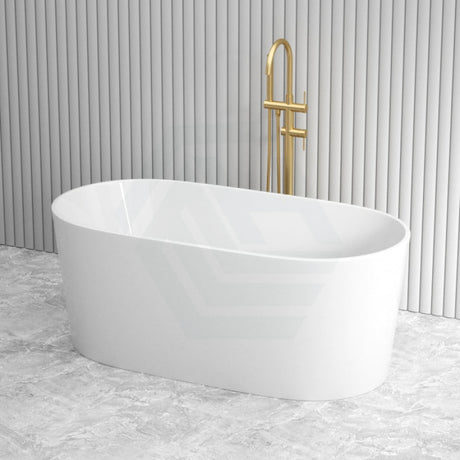
While baking soda can offer mild skin-smoothing properties, the real benefit is the immersive bathtub experience. Spa bathtubs and bathtubs already go a long way in relaxing muscles and encouraging mindfulness during people’s busy schedules, but with baking soda adding potential health benefits, it’s a great excuse to stay in the tub and enjoy all it has to offer.
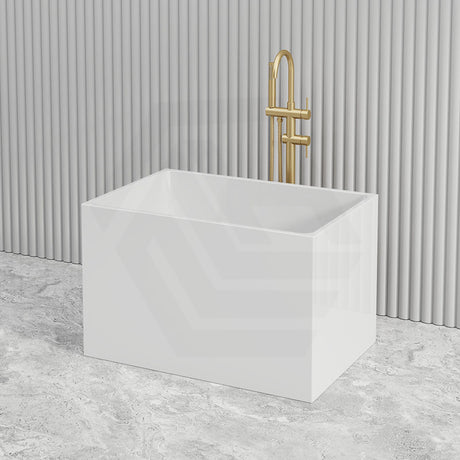
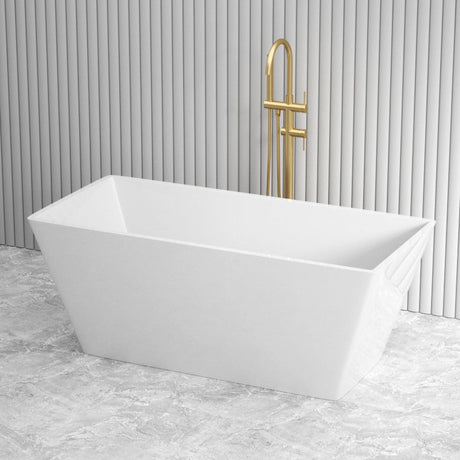
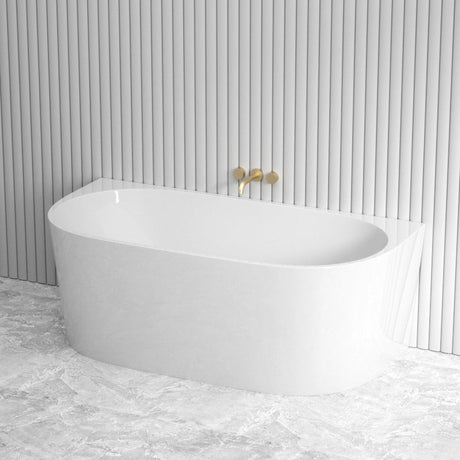
This is where the design of a bathroom plays a critical role. Deep-soaking bathtubs before using them allows for full-body immersion, enhancing the feeling of weightlessness and comfort. In smaller or more space-conscious layouts, a freestanding corner bath can deliver this same immersive experience while maximising available room. Materials also influence the experience—bathrooms featuring a stone bathtub can retain heat longer and provide a naturally grounding feel, subtly elevating both comfort and atmosphere without overcomplicating the routine.
For those wanting to take the trend further, spa bathtubs offer hydrotherapy jets that circulate water for a massage-like effect across the body. Pairing this with baking soda can amplify the sense of relaxation, transforming a basic soak into a more luxurious wellness session.

How to Create a Baking Soda Bath
If curious about trying the trend, the simpler, the better.
Most enthusiasts recommend adding one to two cups of baking soda to a warm bath and allowing it to dissolve fully before stepping in. Keep the water comfortably warm rather than hot, and limit your soak to around 15-20 minutes.
To speed up the dissolving, pour and mix the baking soda in while the bath is hot and then by the time it has cooled down enough to get in, the baking soda should be ready.
To elevate the experience further, it’s recommended that people dim the lighting (even flick on a few candles if possible), add a bath pillow for neck support and throw on some calming music in the background.
After the bath is over, it’s important to moisturise skin afterwards to lock the moisturising benefits in. This is a key step for all bathing experiences, not just for baking soda.
While baking soda baths are generally considered safe for most people, those with sensitive skin or specific medical conditions should consult a healthcare professional before trying it out.
But Now for the Big Question: Is It Just Hype?
Like many wellness trends before (and definitely some in the future), baking soda baths sit somewhere between anecdotal enthusiasm and practical self-care for now. While they are unlikely to replace medically prescribed treatments, there does seem to be some substantial benefits, and their accessibility makes them a great alternative to similar treatments.
If sceptical about the benefits of baking soda, it’s worth giving it a try and, at the very least, the familiar, comforting environment of a bathtub can’t hurt!