31 March, 2026
Modern Bathroom Trends: Smart Toilets, Black Fixtures and Accessible Design
Discover modern bathroom trends for 2025: smart Japanese toilets, matte black fixtures, and accessible design. Get inspired by stylish, functional ideas that combine technology, bold finishes and universal design.

After three days at a recent bathroom design expo and about four thousand images snapped on my phone, I returned home with one overwhelming observation: modern bathroom ideas are evolving at such an astonishing pace in Australia, that what we’re seeing today is unlike anything we experienced just two years ago. These days it’s not just about beautiful bathroom tiles. It’s about innovation, bold colours and clever bathroom design that really considers the varying ways people might use a bathroom. The three most notable design directions are high-tech toilets that offer features we never knew toilets could offer, black fixtures that add edge without trying too hard, and accessible bathroom design that doesn’t resemble a hospital. Here are the details.
The smart toilet phenomenon (yes, it really is that cool)
Who would have thought that a few years ago I would be waxing lyrical about toilets? But here I am. The Japanese toilet has emerged from the shadows of a niche novelty and firmly planted itself in the bathroom trends 2025 camp, and once you discover what they do, the excitement is justified. Heated seats, water temperature and pressure control, drying with a warm air blower, automatic lids and built-in deodoriser; I even saw one model at the expo with a remote control that wouldn’t have looked out of place with a home theatre. It’s both a bit nuts, and utterly brilliant. The functional benefits extend beyond gadgetry too: they use less toilet paper and hygiene-wise, they’re a genuine improvement. For people with mobility issues, or those undergoing post-operative rehabilitation, one of these fancy toilets can be a revelation. I met an occupational therapist at the expo who now specifies them as a matter of course for any of her clients over the age of 65. You will need a power point located near your toilet, and prices for entry-level smart seats begin at around the $400 mark, whilst a fully-integrated Japanese toilet will set you back upwards of $2000.

Why black fixtures are not a fad (and why I love them)
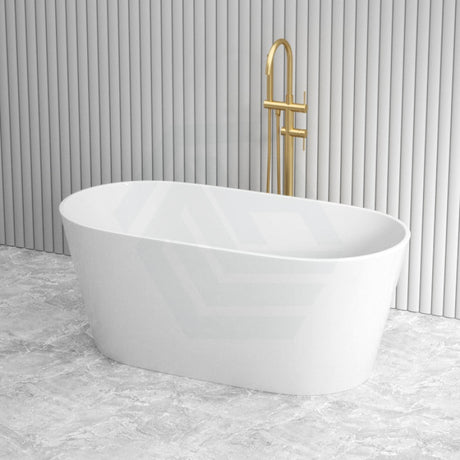
When I first saw matte black tapware splashed across every renovation TV show, I suspected it was a flash in the pan. I’ve since had to eat my words. Black bathroom fixtures have evolved far beyond the realm of taps and shower heads: we’re now seeing black toilet suites, black freestanding baths, black vanity handles, and even black floor wastes. And when executed well, the result is nothing short of dramatic. The trick, as with most things in life, is restraint. I’ve visited showrooms where almost every fitting and fixture was matte black and it felt like we were caving. The spaces that work are those that use black against a lighter background: white or light grey bathroom tiles for example, a timber vanity and natural stone, anchored with a black toilet suite and black hardware. One note of caution: a matte black finish will show water spotting more easily than a chrome one, so if you like your bathroom fittings and fixtures to require minimal maintenance, they may not be for you. That said, the quality of powder-coated and PVD finishes has improved out of sight in recent years: early incarnations used to scratch if you just looked at them sideways. Black fixtures are now a staple of modern bathroom ideas across Australia.

Why accessible design is finally having a moment
For a long time, an accessible toilet and accessible bathroom design would have brought to mind grab rails screwed into white tiles. It might have been functional, but it was hardly pretty.
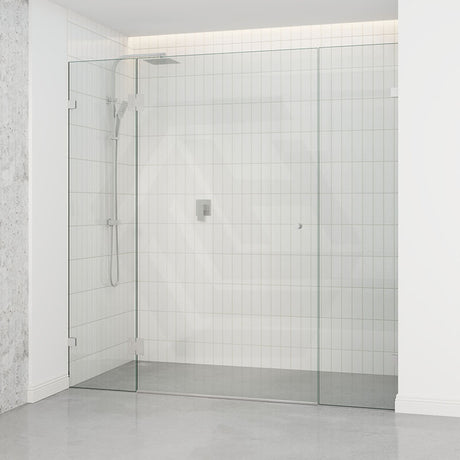
That’s changing. These days designers and manufacturers are designing bathroomware that meets ambulant toilet requirements: one intended for people who have at least some mobility, as opposed to those who need full seated support, but also looks every bit as sharp as anything you’d find in a conventional luxury bathroom. Matte black grab rails that are recessed, comfort-height pans that don’t scream “nursing home,” frameless shower screens with compliant apertures, slip-resistant tiles that don’t look like they belong in a hospital.
Some of this is being driven by the Australian Building Code, which mandates accessible bathroom requirements in new multi-residential developments, but much of it is being driven by consumer demand: people who are choosing to build and specify accessible bathrooms because they hope to age in place, because they need to cater for family members with a disability, or simply because the principles of universal design make for a better bathroom for able-bodied people as well. Because let’s face it, a comfort-height toilet is easier on your knees regardless of your age. A walk-in shower is easier to clean than an over-bath shower. These aren’t just better bathrooms for people with mobility impairment; they’re better bathrooms full stop.

Bringing these modern bathroom ideas together
One of the interesting things about these three emerging trends is the way they can be intertwined. It’s entirely possible to have a bathroom that includes smart technology, black bathroom fixtures, and accessible design: and for the overall effect to be modern, functional, and inclusive without it feeling like a compromise or a trade-off.
If you like the tech, browsing options for a Japanese toilet will give you an idea of what’s available at what price. If you like the colour story, a black toilet is a great way to create a strong aesthetic in your bathroom, paired with matching tapware and door hardware. And if you like the idea of future-proofing your bathroom, reading up on ambulant toilets and looking for compliant bathroom products, is one of the smartest things you can do.
The best bathroom ideas for 2025 and beyond will somehow manage to combine all three. And that’s a genuinely exciting prospect.