19 January, 2026
How to Fix a Leaking Tap: A Step-by-Step Technical Guide
Fix leaking taps DIY: Identify tap types, gather tools & follow step-by-step repairs for washers, cartridges & seats. Stop drips, save water & prevent damage fast!

A dripping faucet might seem small, but it can waste a surprising amount of water and raise your bills over time. Fixing it is often easier than it sounds. Most leaks come from worn parts inside the tap, like a washer or cartridge, and the repair usually only needs a few basic tools.
This guide helps you find what’s causing the leak and learn how to fix a leaking tap in a clear, step-by-step way. Instead of guessing and tightening things at random, you’ll learn what to check, what to replace, and how to put everything back together properly.

What Type of Tap Do You Have?
Identifying the tap type is the first technical step. Most modern bathroom tapware and kitchen fixtures fall into a few common types, and each one works a little differently.
1. Compression Taps
Compression taps are the oldest and easiest to recognise. They usually have two handles, one for hot water and one for cold. When you turn the handle, it twists several times and pushes a rubber washer down to stop the water.
If you have a kitchen sink faucet leaking and the handles need a few full turns to shut off, it’s likely a compression tap. These leaks are often caused by a worn washer, which makes them one of the simplest taps to repair.
2. Cartridge Taps
These are common in modern homes and usually feature a single lever. Instead of a washer, they use a plastic or brass cartridge that moves up and down to regulate flow. They are reliable but can leak if the internal O-rings perish or if the cartridge housing cracks.
3. Ceramic Disc Taps
Ceramic disc taps are easy to spot because the handle only turns a short distance, usually 90 or 180 degrees. Inside, two smooth ceramic discs slide against each other to control the water flow. These taps last a long time, but hard water can cause problems. Mineral buildup between the discs is a common reason for a kitchen sink tap leaking.
4. Ball Taps
Ball taps are common in older single-handle kitchen sinks. A slotted metal ball moves when you lift and turn the handle, controlling flow and temperature. Leaks usually happen because the small rubber seats and springs under the ball wear out, so the ball can’t seal tightly. The ball may also get scratched or coated with mineral build-up. Repairs can feel fiddly because there are more small parts.
What Are the Common Causes of a Leaking Tap?
Knowing why a tap is leaking helps you grab the right parts before you take it apart. Most leaks come from small parts that wear out over time.
- Degraded Washers: Constant pressure and friction cause rubber washers to thin out or split over time.
- Worn O-Rings: If water leaks from the handle or the base of the spout, the O-rings are usually the culprit.
- Valve Seat Corrosion: The metal seat can become pitted by mineral deposits. If this happens, even a brand-new washer will not create a watertight seal.
- Loose Parts: Vibration from high water pressure can occasionally loosen the packing nut or the internal stem, leading to slow seeping.
Tools and Materials You'll Need to Fix a Leaking Tap
Before you start to fix dripping tap, having the right tools and parts ready makes the job easier, faster, and far less frustrating once the tap is taken apart.
| Tool / Material | Specific Use Case |
| Adjustable Wrench | Loosening the bonnet nut and the large internal hex parts. |
| Screwdriver Set | Removing decorative caps and handle-securing screws. |
| Needle-nose Pliers | Removing old O-rings and extracting cartridges. |
| Replacement Washers | Various sizes (standard is usually 12mm or 1/2 inch). |
| Plumber's Grease | Lubricating O-rings to ensure a smooth seal and easy movement. |
| Thread Seal Tape | Ensuring watertight seals on threaded pipe connections. |
| Microfiber Cloth | Protecting chrome finishes from wrench scratches. |
How Do You Fix a Leaking Tap Step by Step?
Fixing a leaking tap is usually simpler than you think. With a few basic tools and a bit of patience, you can sort out most bathroom or kitchen tapware leaks at home. Here is how to repair leaking tap step by step.
Step 1. Isolation and Preparation
Turn off the water supply. Most modern sinks have isolation valves underneath. Turn these 90 degrees or clockwise. If they are missing, shut off the main water meter for the house. Open the tap to drain any remaining water. Always plug the drain with a cloth so small screws can’t slip down the pipe.
Step 2. Accessing the Internals
Use a flathead screwdriver to pop off the small “H” or “C” cap. The screw holding the handle will be underneath. Remove the screw, then lift the handle straight up. If it is stuck due to limescale, do not force it with a hammer; instead, apply a descaling solution or a light lubricant to loosen the mineral bond.
Step 3. Removing the Valve
This is the key part of how to repair a dripping tap. Use an adjustable wrench to grip the bonnet (the large nut). Hold the tap body with your other hand to prevent it from twisting against the sink. Once the bonnet is removed, unscrew the spindle or pull out the cartridge. Note the order in which parts are removed so you can reverse the process later.
Step 4. Component Inspection and Replacement
Inspect the washer at the base of the spindle. If it looks flattened or has a groove, replace it. If you have a ceramic tap, inspect the discs for grit. Often, simply cleaning the discs and applying fresh plumber's grease is enough. If the cartridge is cracked, you will need to replace the entire unit. Take the old part to the hardware store to ensure an exact match.
Step 5. Reseating and Reassembly
Before putting the tap back together, check the valve seat. If it feels rough, you may need a seat-grinding tool to smooth it. Place the new washer and spindle back into the body. Tighten the bonnet nut firmly, but avoid overtightening. Overtightening can crush a new washer or crack a ceramic disc instantly. Reattach the handle and indices.

When Should You Call a Professional Plumber?
Not every dripping tap repair is a DIY job. Knowing when a job is beyond your skill level can save you from bigger, more expensive damage later.
- Water Hammer Issues: If your pipes bang loudly when you turn the water on, it indicates a pressure problem that a new washer won't fix.
- Broken screws or bolts: A snapped screw stuck inside the tap body needs special tools to remove it.
- Leaks Behind the Wall: If the dampness is coming from behind the tiles or under the floorboards rather than the spout, call a professional immediately.
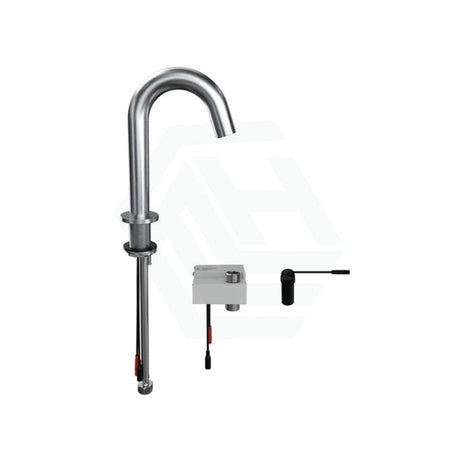
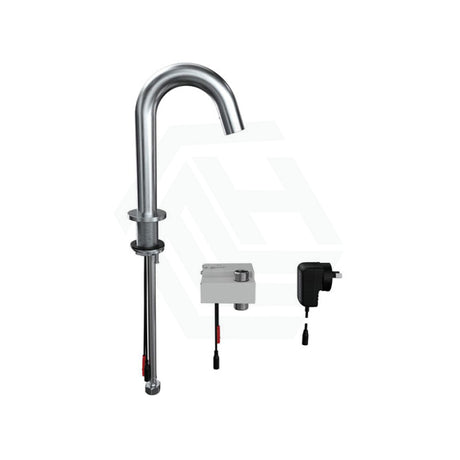
- High-End Electronic Taps: Sensor-operated or digital taps have complex wiring and solenoids that require specific diagnostic equipment for tap repairs.
Simple Tips to Avoid Future Tap Leaks
Prevention is the easiest way to avoid plumbing problems. A few good habits can greatly reduce how often you need to deal with a dripping tap.
- Avoid Overtightening: When turning it off, use just enough pressure to stop the water. Pushing the handle down too hard squashes the rubber washer, which makes it wear out much faster.
- Install a Water Softener: If you live in a hard water area, mineral buildup is your tap's biggest enemy. A softener prevents calcium from scratching ceramic discs.
- Clean Aerators Regularly: The small mesh screen at the end of the spout often traps dirt and debris. When this happens, pressure builds up and can force water past the O-rings, leading to leaks.
- Monitor Water Pressure: If your home's water pressure is above 500kPa, it can blow out seals. Consider having a pressure-limiting valve installed at the meter.
- Regular Cleaning: Wiping away moisture around the base of the handle helps stop mineral deposits from forming. It keeps the external seals in good condition and helps your taps last longer.
Conclusion
Knowing how to fix dripping tap is a handy skill. It saves water and helps prevent bigger damage around the sink. Most repairs follow the same steps. Turn off the water, find the worn part, then replace it carefully. The tap type may change, but the basic idea stays the same.
A DIY fix can save money, but good parts and careful reassembly matter. If the drip keeps coming back, a plumber can spot deeper issues. For quality replacements and helpful tapware options, MyHomeware is a good place to start.