12 June, 2026
How Do You Measure a Toilet Seat: a Step-by-step Aussie Guide
Wondering how do you measure a toilet seat? Our step-by-step Aussie guide helps you get the right fit every time.

Video Credit: All Home DIY Dad
Why is it So Important to Measure a Toilet Seat?
How frustrating is it to have a toilet seat issue on an everyday basis? Whether that's the seat loosening and wobbling, you are able to see part of your toilet pan when you're sitting on the toilet, or the hinges aren't going to fit properly, or looking awkward even with hours of fiddling to get it correct.
I've lost count of how many seats I've put in, not fitting the pan. You get the seat from your local plumbing outlet or have it shipped online. On it arriving, it's a tad bit on the narrow side. Not excessively out, just not right.
Not all toilet pans are the same in Australia. They differ from pan styles, brands, and suites (unlike taps and basins). So if you buy one seat by the seat itself or by your old seat, then you'll find yourself returning products.
But if you take the correct measurements, you can ensure you don't have this problem with the toilet seat.

What Materials You Need to Measure a Toilet Seat
Measuring the toilet seat will only require very basic tools — either a flexible tape measure or a hard ruler.
And a pen and paper (or your phone) to write your measurements on. For the more accurate hinge-hole centre-to-centre measurement, callipers will do, though that's optional.
Before measuring, remove the old seat and hinge, as this will provide the most accurate readings (otherwise you're measuring from the toilet seat rather than the pan). You want the tape sitting across the top of the pan as it's the pan you're fitting the seat to.

How Do You Measure a Toilet Seat? A Step-by-Step Guide
Here's the how do you measure a toilet seat step by step guide. Be sure to record the measurements in millimetres.
First: Measure the pan length — from the front outside edge of the rim to the centre point between the two hinge bolt holes at the rear. Most Australian pans fall in the range of 420mm to 480mm on this measurement.
Second: Measure the pan width across the widest part of the pan (usually around one-third of the way back on the rim), expecting figures between 350mm and 390mm for most standard suites.
Third: Measure the distance between the hinge-hole centre-to-centre (the centre of the left bolt hole to the centre of the right hole). This is probably the most significant dimension for hinge fitting. A spacing of 155mm is most commonly used on Australian products, though you will find some suites at 140mm and others at 180mm.
Fourth: Measure the hinge setback — from the back outer edge of the rim to the centre of either bolt hole. This is the distance from the wall to the front of the hinge, and it is critical on close-coupled suites where the cistern sits right behind the pan.
Take a note of all four measurements before you put the tape away. Do a quick sanity check on the figures you have recorded — if you measured a 600mm long pan, you probably need to re-measure.

What Are the Standard Australian Toilet Seat Sizes and Shapes?
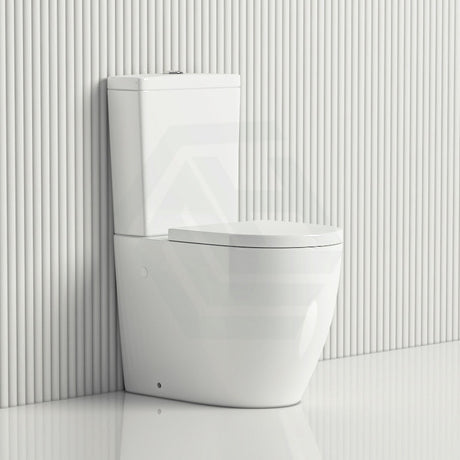
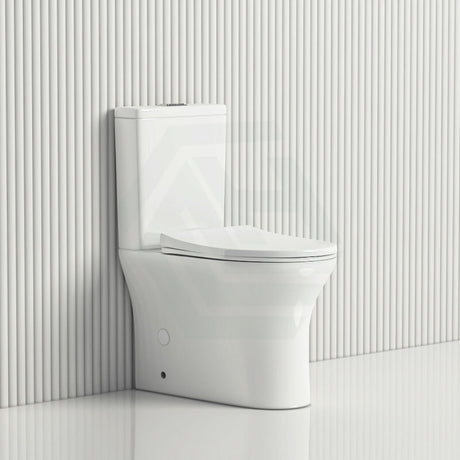
Australian bathroom pans usually come in two shapes: round or D-shape (often referred to as compact), and elongated or oval. Round pans are usually 420mm to 450mm in length and are ideal for smaller bathrooms. Elongated pans, generally 460mm to 480mm long, are found in modern bathrooms and newer renovations.
This is where it starts getting a little more tricky. A back to wall toilet suite — the most common style in Australian bathrooms — often has a different hinge spacing to an older close-coupled or skew-trap pan. Sizing standards for toilet pans are not the same in Australia as in Europe or America, and I would be very hesitant to import a toilet seat based on overseas dimension guides.
Another thing worth noting: if you have a wall-hung pan, you can measure the seat in the same way. However, if you ever need to replace the pan itself, that work requires a licensed plumber — there is no DIY option for replacing a wall-hung pan.

How to Choose and Buy the Right Replacement Toilet Seat
With your measurements in hand, you now know what to look for. The standard toilet seat in Australia is usually a Quiet Close UF slim seat. UF (urea formaldehyde) slim seats are very durable and easy to clean, and usually come with mid-range suites from Fienza, Poseidon, and similar brands. More economical PP plastic seats are also available and will set you back under $50. A duroplast or UF seat may be the better option if you're planning to keep your toilet for ten to fifteen years, though you will need to budget a little more.
Look for a quick-release hinge. They're much easier to clean and you'll thank yourself the first time you need to get under there with a cloth.
If you've invested in a smart toilet suite, or want to retrofit a bidet seat cover — available from around $80 to $1,846 — then hinge spacing and toilet pan size become even more important. These seats are larger and heavier and often require specific compatibility with the pan, so confirm that your hinge spacing and pan length match the replacement seat before you order. It's a five-minute check that could save you a return.
References
State and territory plumbing licensing authorities (Building and Plumbing Commission Victoria; Building Commission NSW / NSW Fair Trading; Queensland Building and Construction Commission; Plumbers Licensing Board Western Australia (administered by Building and Energy); Consumer, Building and Occupational Services Tasmania; Access Canberra ACT; Office of the Technical Regulator / Consumer and Business Services South Australia; Plumbers and Drainers Licensing Board Northern Territory)