16 June, 2026
What is Rimless Toilet: a Plain-English Aussie Guide
Wondering what is rimless toilet technology? This plain-English Aussie guide explains how rimless bowls work and why they're easier to clean.

Chances are you've come across the term 'rimless toilet' while shopping for bathroom suites or Googling it at 2am "why is my toilet making that noise", and wondered exactly what is rimless toilet technology, anyway? You'd be forgiven for thinking this sounds almost too easy to be new. It almost is.
Video Credit: LIVINGHOUSE
What Exactly Is a Rimless Toilet?
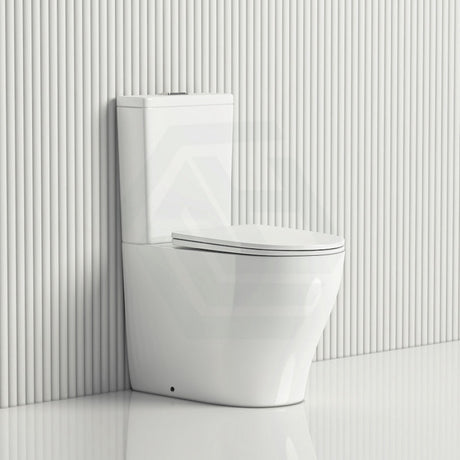
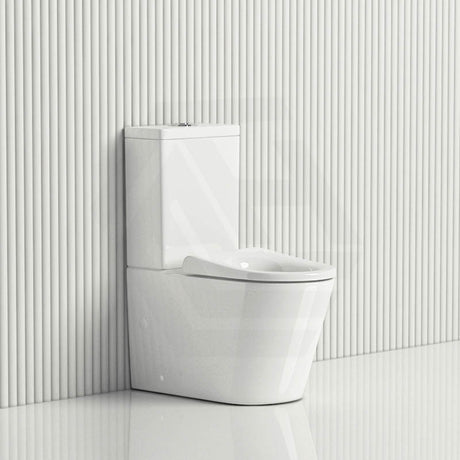
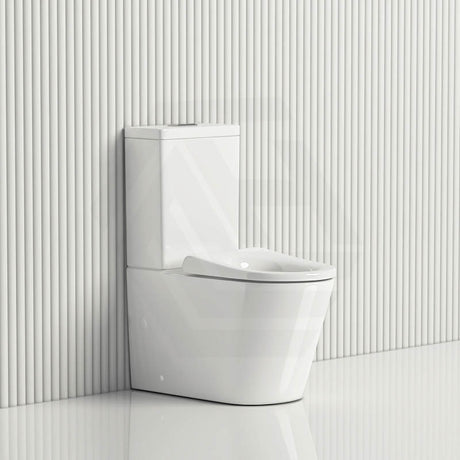
Plain English: a toilet pan without a hidden rim. The rimless bowl does not have a hidden ledge around the edge where water passes beneath it on a flush to disperse itself around the toilet bowl. A traditional bowl has a hidden cavity of rim around the top edge where water passes underneath before it is distributed evenly throughout the bowl. A rimless bowl has this cavity removed entirely.
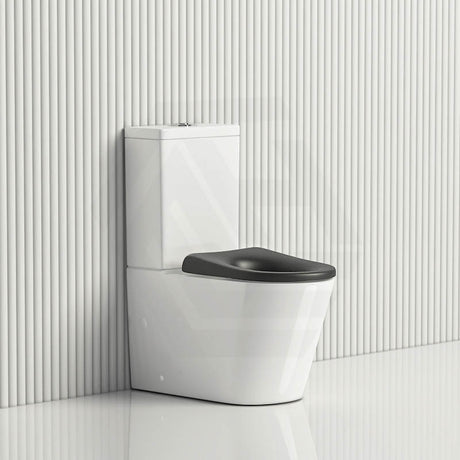
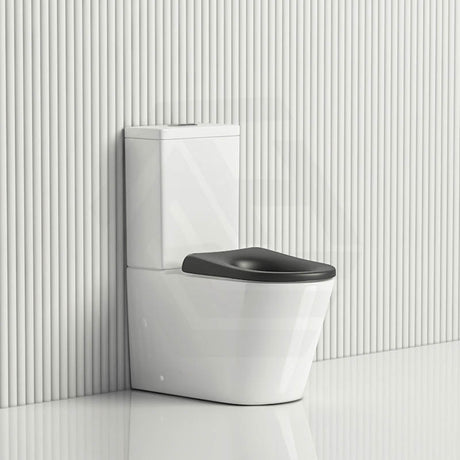
Water is supplied instead by one or two specifically placed jets through the ceramic, which provides full bowl coverage in a direct flush. A direct flush toilet is where one strong flush jet pushes the water all around the bowl. Alternatively there is a tornado or cyclone flush. The Fienza Isabella Junior Rimless uses tornado or cyclone technology, with two angled water jets being shot out at the same time to create the 360° whirlpool flush throughout the entire ceramic surface. Each type covers the whole of the toilet bowl, minus the rim. Most rimless toilets have a 4-star WELS rating (AS/NZS 6400:2016), which means 4.5L on a full flush and 3L on a half flush.

How a Rimless Toilet Differs from a Rimmed Toilet
When we understand the difference between rimless and rimmed toilet design in terms of flushing and the way water is distributed through the bowl, it's a little clearer.
With a rimmed toilet the water passes underneath a rim and, in some cases, the bowl itself can have patchy flush coverage (especially towards the front of the bowl). With a rimless bowl the water is directed towards the surface of the bowl, which in turn has much more consistent coverage. The water volume is comparable between the two toilet designs at the 4-star WELS level but, with the nature of the jet system in rimless toilets, coverage is achieved more consistently than with a traditional rimmed toilet.
What's also worth noting is that, unlike a rimmed toilet which has an enclosed rim on top, the edge of a rimless toilet has more open space and can therefore be marginally less rigid in its construction. This is not apparent in everyday use — manufacturers account for this in the moulding — but it is a genuine engineering consideration, not just marketing copy.

Hygiene and Cleaning — This Is Where It Gets Good
The other notable difference between a rimmed and a rimless toilet in terms of how they function is cleanliness and hygiene — and this is where a rimless toilet makes its strongest practical case.
A traditional toilet has that rim underneath which is the dirtiest spot of the toilet, where the most grime collects. Limescale build-up, bacteria and mould all find their home in that hidden space, inaccessible both visually and physically. I've spoken to many bathroom designers and renovators over the years, and the hidden underside rim is one of the most overlooked hygiene problem areas in Australian bathrooms. There is no cavity where grime can hide on a rimless bowl.
Cleaning a rimless bowl is much easier. A standard toilet brush can sweep every part of the bowl, and the majority of rimless bowls are finished with a Nano-Glaze smooth surface treatment (such as the entire Fienza range). This glaze actively resists bacteria and limescale attachment. In Australia, where most of us contend with hard water, that smooth surface makes a noticeable difference to the rate of limescale build-up. Note that some bowls have wider bowl openings, which may generate slightly more splash on flushing than a deeper rimmed bowl. Something to think about.

Installation, Sizing, and Compatibility Considerations
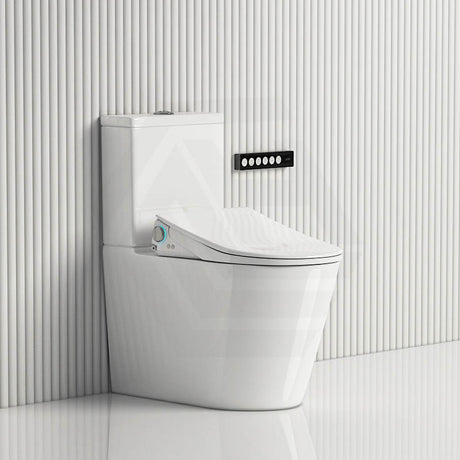
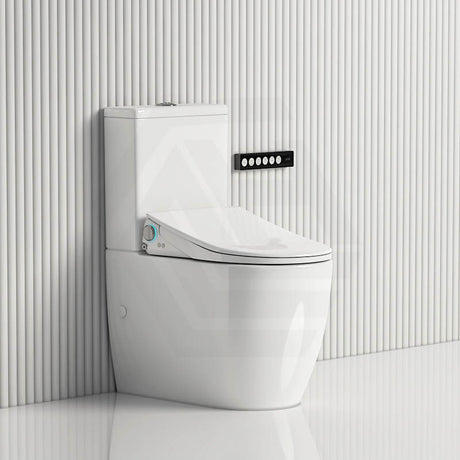
The first piece of good news is that a rimless commode is straightforward to install. Generally speaking, all rimless commodes share the same S- and P-trap rough-in dimensions as their rimmed counterparts, so swapping out to a new model will not require additional plumbing work in most cases.
Rimless toilets with an S-trap (floor outlet) have a setout distance of 100–120mm from the finished wall to the centre of the trap. For a P-trap (wall outlet), the setout distance is 185mm. Measure before you shop — buying the wrong rough-in dimension is a common installation mistake in Australia. All toilets sold in Australia require WaterMark certification (WaterMark Certification Scheme) and WELS registration. Connecting a toilet to the drainage system and water supply is licensed plumbing work in all Australian states (AS/NZS 3500.2:2025); check your state/territory requirements. If your bathroom must meet the NCC 2025 livable housing design standard, a minimum 1200mm by 900mm clear circulation space (NCC 2025, ABCB Livable Housing Design Standard) is required in front of the pan from its front edge — factor this in before finalising your toilet's position.

Cost, Value, and Choosing the Right Rimless Toilet in Australia
Now let's consider the cost of what is rimless toilet ownership in Australia and how to choose the right one.
Floor-mounted rimless toilet suite pricing:
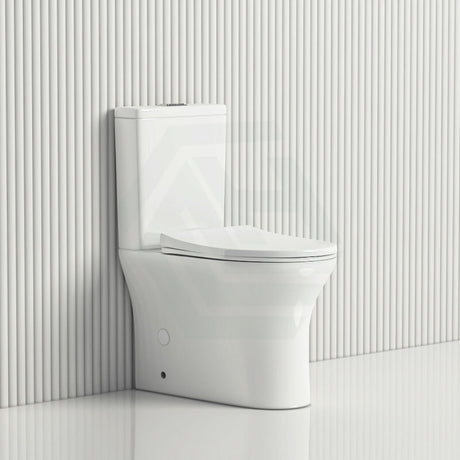
• Entry level (Macho, Lukka): $185–$400
• Mid-range (Fienza, Kohler): $400–$800
• Luxury/designer: $800–$1,199
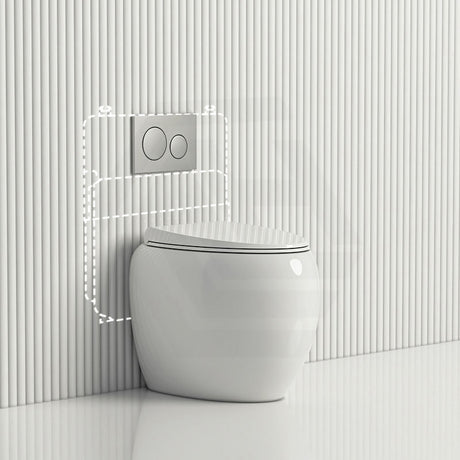
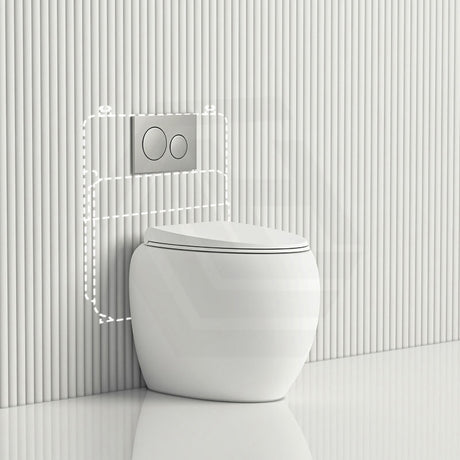
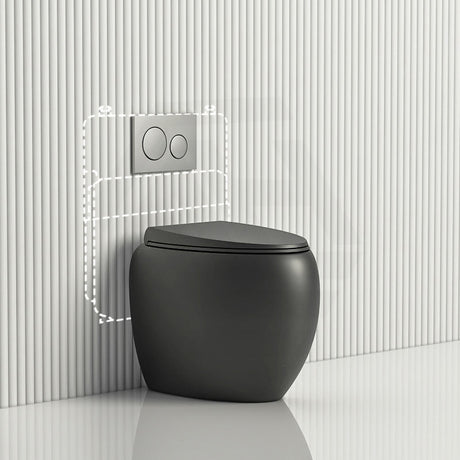
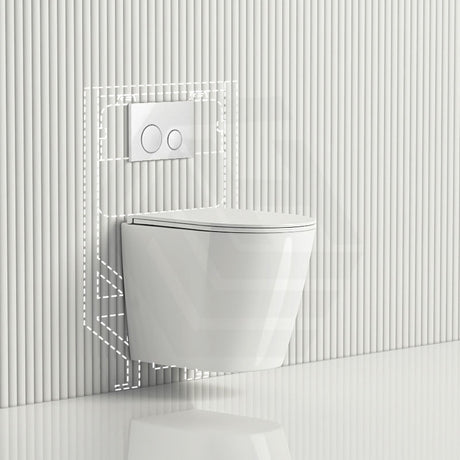
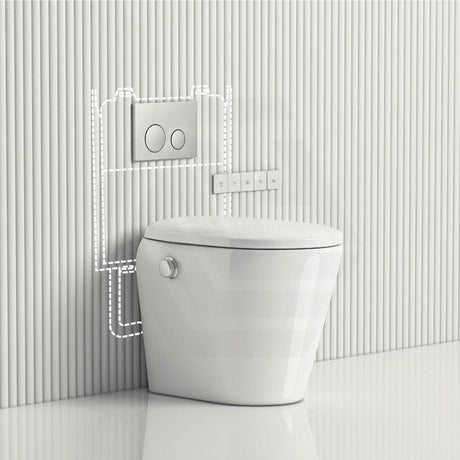
An in-wall rimless commode requires a pan, an in-wall concealed toilet cistern, and a flush button (flush actuator) to complete a suite. In-wall rimless toilet suite prices range from $543 to $1,284 all up. When buying a rimless commode, aim for at least a 4-star WELS rating, confirm the trap type (S- or P-trap) suits your bathroom, and check the pan height. Standard pan height is 400mm and comfort height is 450mm, which suits taller users. A soft-close UF seat is included with most mid-range to luxury commodes, but not with entry-level models.
The key specification details you need when selecting a toilet are the WELS rating, the trap type (S or P), and the rough-in dimensions — any good supplier will make this information readily available in a printed or digital product specification sheet.
References
AS/NZS 3500.2:2025 Plumbing and Drainage — Sanitary Plumbing and Drainage, Standards Australia
National Construction Code 2025, ABCB Livable Housing Design Standard, Part 3 Internal doors and corridors and Part 4 Sanitary compartment
WaterMark Certification Scheme, Australian Building Codes Board
AS/NZS 6400:2016 Water efficient products — Rating and labelling (incorporating Amendment No. 1:2022 and Amendment No. 2:2022), Standards Australia