

19 May, 2026
Bathtub Sizes in Australia: A Complete Dimension Guide
Confused by bathtub sizes? This Australian guide covers standard lengths, widths and depths so you can choose the right bath with confidence.

Video Credit: The Home Depot
Standing in a bathroom showroom, staring down rows of bathtubs with absolutely no idea which size to go for — yeah, that's a pretty common experience. It gets overwhelming fast. Getting the exact dimensions sorted before you buy sounds dead simple — until you're actually standing there with a measuring tape, trying to make sense of it all. I've been through the whole process myself, so I can vouch for it — and the one thing I really wish someone had told me earlier is that bathtub sizes in Australia follow pretty predictable standards.
Standard Bathtub Sizes in Australia
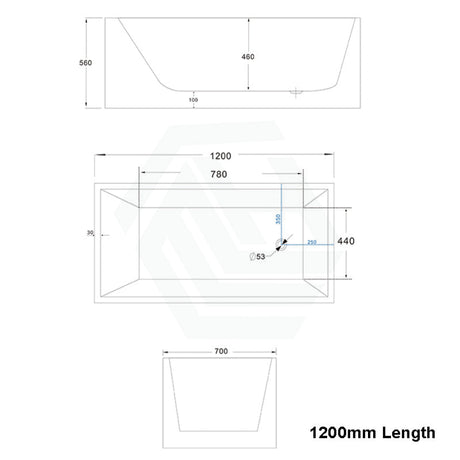
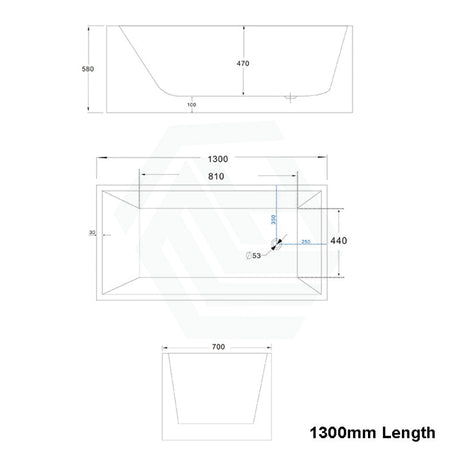
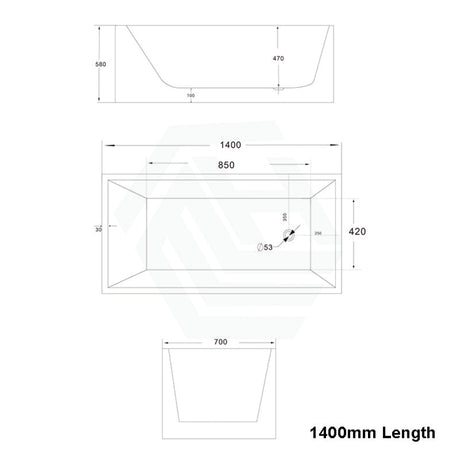
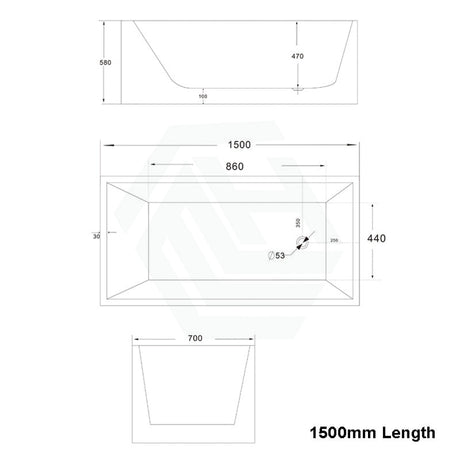
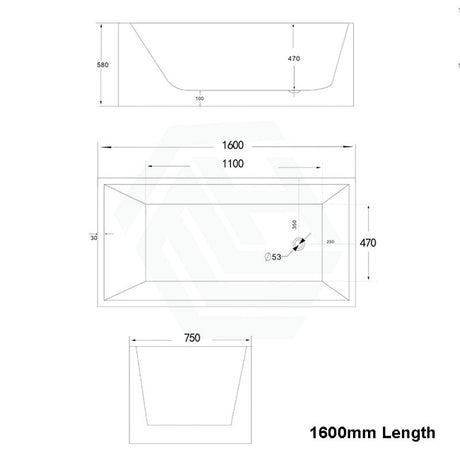
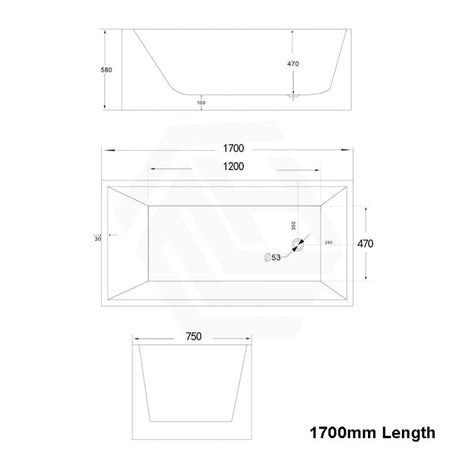
For an Australian home, the standard bath size runs 1500mm in length, 700mm to 800mm across, and anywhere from 350mm and 500mm deep. For adult bathing, 1500mm is really the practical floor — go any shorter and you'll know about it. Newer builds quite often centre the bathroom layout around a 1700mm bath — it's a noticeably more comfortable soak, yet the floor footprint barely changes.
Worth noting: American and British specs use the imperial system, so the numbers there won't match. Everything here is in metric — the same figures your plumber and waterproofer will reference, no matter which Australian state or territory you're in. Across every Australian state and territory, a licensed plumber must handle the water supply and waste connections — factor that into your reno budget from the start.

Bathtub Dimensions by Type
With the baseline measurements for a standard Australian bath sorted, it's worth looking at how those dimensions vary across the different bath types available.
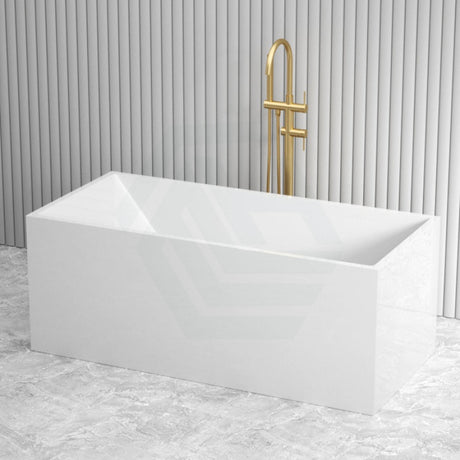
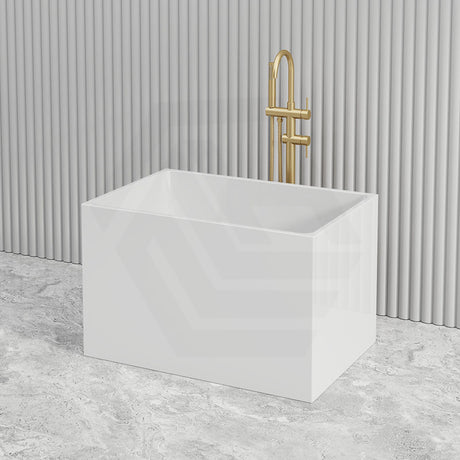
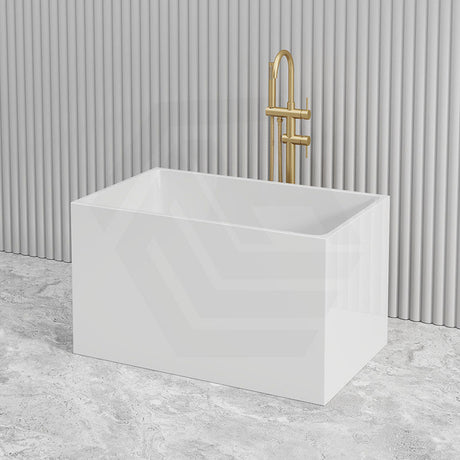
Freestanding bathtubs are the ones that stop people mid-scroll in every home magazine — and honestly, the appeal is real. Lengths generally fall between 1500mm to 1800mm, and widths sit at 700mm to 800mm. Bear in mind that 1800mm of clear floor space is the minimum for these to work — so no matter how good they look, a smaller bathroom just won't cut it.
Alcove and built-in bathtubs are the reliable backbone of Australian bathrooms — practical, space-smart, and available across a solid range of dimensions. Drop-in styles — where the bath sits inside a tiled deck or hob — generally measure 1400mm to 1700mm in length, and there are a couple of compliance requirements to sort out before any tiles go down. Under (AS 3740:2021) and (NCC 2022, ABCB Housing Provisions, Part 10.2), the walls around any built-in bath must be waterproofed to 150mm above the rim — your waterproofer will be across this, but it's good to know before tiling starts.
On the cost side, drop-in bathtubs are hard to beat — entry-level models start from around $312. Acrylic baths usually come in at no more than 30kg, so they're manageable on delivery day — stone resin models, though, can push past 100kg before a drop of water goes in. Broadway and Poseidon both have solid ranges in this space, with Broadway holding a particularly strong foothold across multiple bath categories in Australia.

How to Pick the Right Bath Size for Your Bathroom
Spec ranges only mean something once you hold them up against the actual space you've got.
Measure the floor area and tape out your proposed bath footprint with masking tape — it sounds basic, but it's genuinely one of the most useful steps you can take. A 600mm clearance walkway beside the bath is the minimum you should allow. Don't forget the door swing either — a bath that looks perfect on the plan can make the entry completely unusable if door clearance hasn't been factored in. For bathroom doorways in new builds, the 820mm minimum clear opening set out in (NCC 2022, ABCB Housing Provisions, Part 12.2) is a handy benchmark to carry into renovation work too.
Before you order a thing, confirm where your rough-in waste sits. Getting a bath delivered only to find the waste point is in the wrong spot for your existing plumbing is a costly mistake — and a completely avoidable one.

Baths for Small Bathrooms
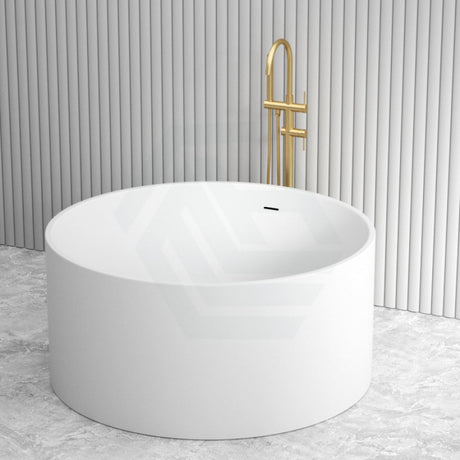
Just because you only have a small amount of floor area available does not mean you should rule out having a bath. There are space-saving solutions specifically designed with a small footprint — it is quite possible to have a small bathroom with bath in Australia. Japanese-style soaking tubs can be as short as 1200mm long but tend to be deeper than an ordinary bath, at around 500mm depth, and are intended for sitting rather than lying down. A shower-bath combo unit takes space-saving to the extreme by performing double-duty within the same footprint. Alcove drop-in units from 1400mm to 1500mm length are generally quite compact, with entry-level options starting from around $312.

Corner Bath Tubs
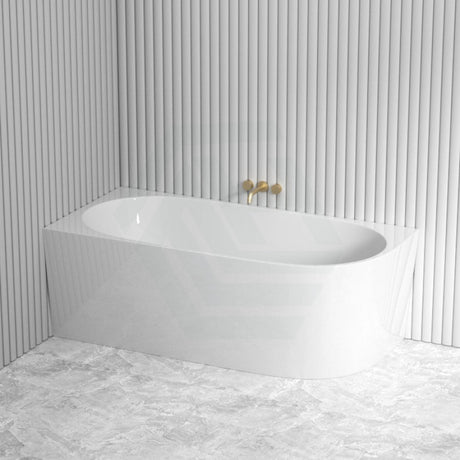
You may wish to consider fitting a bathtub in corner position, which can provide more clear floor space overall than a standard alcove linear installation. Corner bath tubs have a minimum footprint of 1200mm × 1200mm and are also available in 1400mm × 1400mm and 1500mm × 1500mm sizes. Broadway and Poseidon both offer corner bath tubs in Australia, with prices ranging from $958 to $2,085. Corner bath tubs tend to cost more not only because of the extra floor space involved but also because a hob is typically built into the floor area and must be tiled over to match the bath rim height. They also require a different rough-in waste position than an alcove unit. Confirm your rough-in waste position with your licensed plumber before proceeding with any waterproofing. All adjacent walls and the hob must be waterproofed by a licensed waterproofer, and nothing should be tiled until the waterproofing is inspected and passed.
References
State plumbing licensing legislation (VBA Victoria; Fair Trading NSW; QBCC Queensland; Building Practitioners Board WA; CBOS Tasmania; ACTPLA ACT; Building & Energy SA; ABPB NT)
AS 3740:2021 Waterproofing of Domestic Wet Areas, Standards Australia
National Construction Code 2022, ABCB Housing Provisions, Part 10.2 Wet Areas
National Construction Code 2022, ABCB Housing Provisions, Part 12.2 Livable Housing