05 May, 2026
Japanese Style Bath with an Ofuro Soaking Tub: Minimalist Design for Australian Bathrooms
Japanese style bath with ofuro soaking tub: minimalist design, natural materials and wet room layouts for Australian homes. Create a serene, spa-like retreat with compact deep soaking tubs.

What Is a Japanese Style Bath and the Ofuro Soaking Tub?
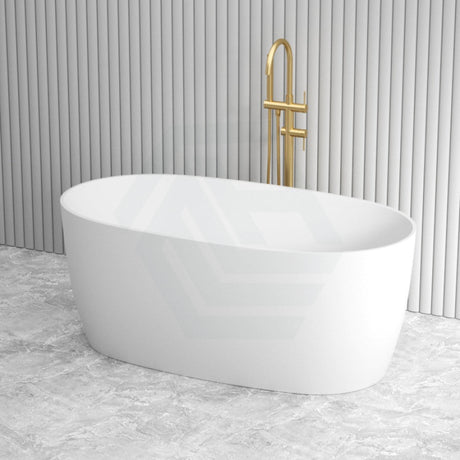
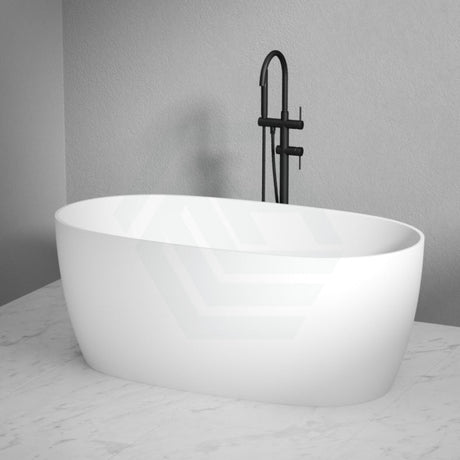
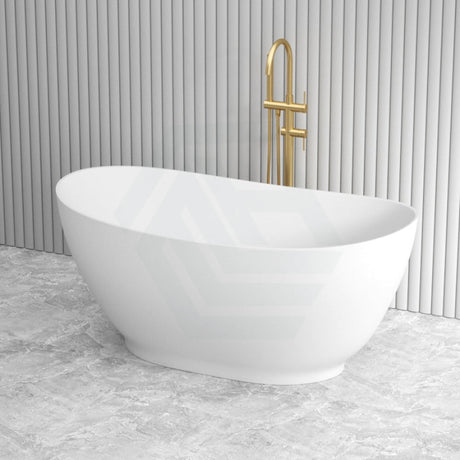
The ofuro is one of those designs that once you've seen it first-hand in a properly fitted space, rather than just a glossy magazine or a staged photoshoot, you aren't easily going to forget. There are no frills. It's a tub with a very specific depth, meant to be sat in, not reclined into, so you are immersing yourself fully. It's really important to keep this in mind when designing a bathroom with a certain type of tub in mind.
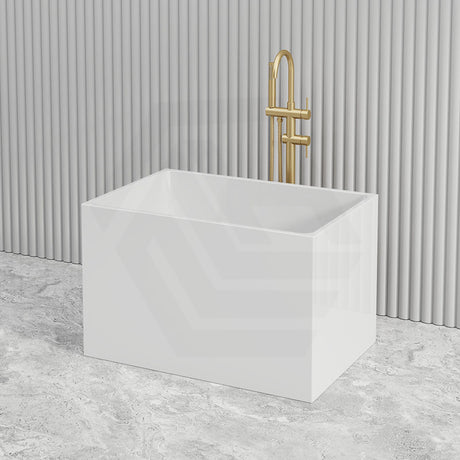
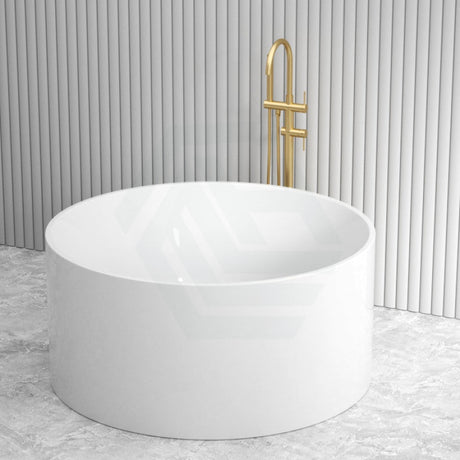
A standard Western bath is normally 1500–1700mm long and 400–450mm deep, whereas an ofuro has a much shorter length, typically between 700–900mm, and is deeper, 550–650mm deep. Due to its small footprint, it can fit into a tiny ensuite, something a tub of a different size simply wouldn't be able to do. In several dual-occupancy and townhouse projects, specifying an ofuro has been the answer to creating an efficient bathroom in situations where this otherwise wouldn't have been possible.
This format is starting to gain a presence in Australian bathrooms now, with not just design-conscious clients but also builders including them as part of their higher-end ensuite packages and creating a spa-like experience, but in a much smaller footprint.

Key Design Principles of a Japanese Style Bathroom
While the ofuro tub itself helps define a bathroom, a Japanese style bath is only really going to work when the surrounding bathroom shares similar functional design principles.
First and foremost, the bathroom should be split into wet and dry areas and have floor drains and full waterproofing in areas that will always get wet, so that there is no need to rely on screens, dividers, or similar items to hold the water back. Again, this is as much a functional element as it is aesthetic. By choosing wall-mounted vanity and toilet units it negates the heavy feel at floor level in a room and adds to the sense of openness and serenity.
The materials and palette are very important. Hinoki cypress timber, slate, honed stone, and concrete-look porcelain tiles all sit easily in such a design. The colours used should be relatively limited to warm greys, stone whites, deep charcoals, and soft timber tones — in a distinctly different vein to a mediterranean bathroom, which is based on warm terracotta tones, patterned encaustic tile, ornate tapware, and a rich palette of layered textures. The two design styles are quite different and it's much easier to work within your chosen style from day one than to change directions mid-stream and incur costs to change your mind.
It's no accident that Japanese bathrooms are designed to have a minimum number of visible elements. Recessed wall niches, wall-mounted taps, and everything having a defined space to fit within are all design elements that have been considered from the outset.

Materials, Sizing, and Specifications for an Ofuro Tub
Once you've established the spatial principles, the next big thing to consider is the actual tub and how material choice influences the cost, weight, maintenance load, and sizing options of the whole installation.
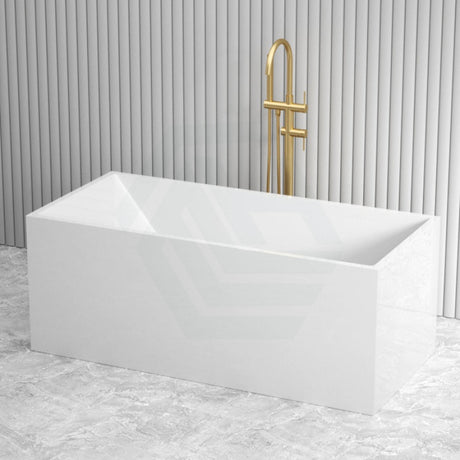
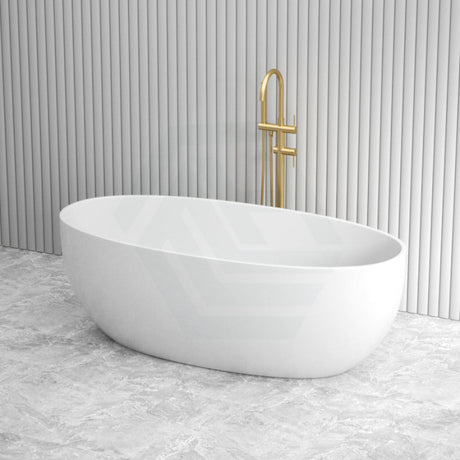
Traditional ofuro tubs are made of hinoki cypress timber, with the antimicrobial properties that naturally exist in such timber making it ideal for water contact, and the fact that it releases its fragrance when wet adds to the experience. It is the most expensive option, however, usually coming in between $3,000 to $8,000 AUD, and it does require regular airing and drying between uses to avoid the build-up of mould. Acrylic composite tubs — including options from Broadway and Poseidon — are significantly more accessible, from $800 to $2,500 AUD, and offer good durability and low maintenance. Stone resin sits in the middle ground, offering a refined look and feel at a price point that typically ranges between $2,000–$5,000 AUD. Stainless steel is a rare but hardy choice that can carry an understated contemporary aesthetic.
The water volume an ofuro uses is worth noting: 200–300 litres, slightly less than the 300–400 litres used by a standard bath, but because of its depth you will still need a reasonably sized hot water system. AS/NZS 3500.4 restricts hot water output to bathroom outlets to a maximum of 50°C (AS/NZS 3500.4), so if you wish to bathe hotter you may need a thermostatic mixer to prevent scalding.
In Australia, anything below 750mm in tub length will feel genuinely cramped; if space allows, 850–900mm is a better choice for taller users.

Installation Considerations and Costs for Australian Bathrooms
Once you've selected your material and final sizing, it's worth reflecting on the realities of installation — structural floor load, building code compliance, and cost.
Stone resin and timber ofuro tubs can easily weigh 400kg or more when filled. A structural engineer should advise on the appropriate loading requirements for your floor before finalising your design choices, especially if your bathroom is located on an upper floor of a light timber-framed dwelling. Waterproofing of wet areas must comply with NCC 2022 and AS 3740:2021; any walls adjoining your ofuro tub must be waterproofed to a minimum of 150mm (AS 3740:2021) (NCC 2022, ABCB Housing Provisions, Part 10.2) above the rim of the tub. This work must be carried out by a licensed waterproofer in the majority of Australian states and territories and should not be a DIY exercise.
Typical indicative costs for ofuro tub installation:
• Supply cost: $800 to $8,000 AUD (depending on material)
• Licensed plumbing labour, supply and fit: $600 to $1,500 AUD
• Waterproofing membranes and labour: $400 to $900 AUD
• Tiling and finishing: $500 to $2,000 AUD
Broadway and Poseidon offer freestanding soaking tub options that connect directly via a licensed plumber. A drop-in ofuro within a timber or stone-clad hob is the more faithful reproduction of a traditional japanese bath sunken bathtub and suits recessed installations well.

The Finishing Details of a Japanese Style Bathroom
With your tub installed and the plumbing completed, the selection of tapware, accessories, and ventilation can bring the overall aesthetic together into a cohesive Japanese bathroom design.
A wall-mounted spout or spout-and-mixer combination with a minimalist geometric profile suits this context far better than floor- or deck-mounted mixer columns. Meir offers wall-mounted spouts in matte black and gunmetal brushed finishes with matching towel rails and robe hooks. Fienza offers wall-mounted spout and mixer sets across a range of coordinated finishes at a reasonable price point.
To complete the look, consider a timber bath stool, timber slat or stone bath mat, and a yu-oke bath bench. A recessed niche is far more appropriate than a wall-mounted shelf; a single niche positioned at the correct height for your seated bathing position will be more satisfying than multiple shelves placed along a vertical plane.
Adequate ventilation must also be considered. Hinoki timber elements and any timber slat flooring will quickly discolour and deteriorate in a poorly ventilated space. Ensure an extraction fan sized for the volume of your bathroom is located near the tub area where moisture load is greatest, and controlled via an appropriate timer. This is particularly important in the wetter parts of Australia's eastern coast — a point worth noting for anyone researching japanese baths — for ensuring the longevity of your finished Japanese style bath.
References
AS 3740:2021 Waterproofing of Domestic Wet Areas, Standards Australia
National Construction Code 2022, ABCB Housing Provisions, Part 10.2 Wet Areas
WaterMark Certification Scheme, Australian Building Codes Board
AS/NZS 3500.4 Plumbing and Drainage — Heated Water Services, Standards Australia