20 May, 2026
Bathtub Ideas: Design Inspiration for Your Dream Bathroom
Discover inspiring bathtub ideas for your Australian bathroom. Explore freestanding, built-in and more styles to find your perfect match.

Video Credit: Home Decoration
Popular Bathtub Ideas to Get You Started on Your Design
The bathtub is, arguably, the one piece of your bathroom design that you have probably given serious consideration to. A bathtub has the potential to determine the tone of a room, frame the rest of the bathroom, and – if designed with care – bring you exactly the reaction you expect from an environment created to allow you to relax and recuperate. Before you even begin looking for bathtub ideas though, you will need to be familiar with the different bath styles available in the Australian market.
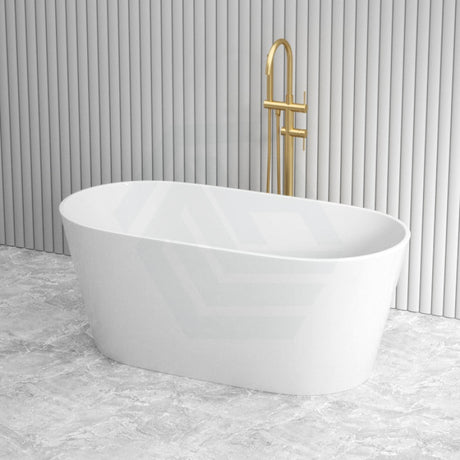
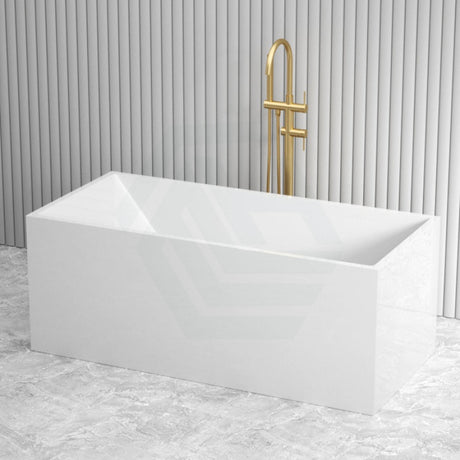
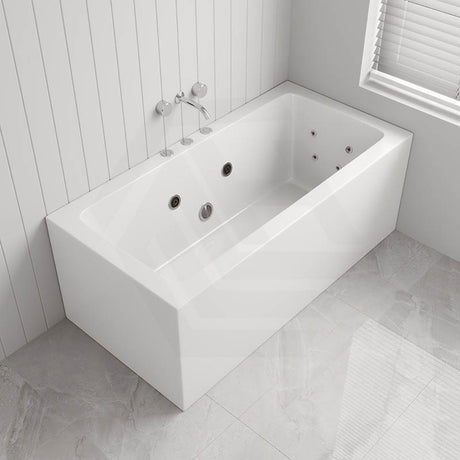
The most requested feature I design in when creating display homes for clients is freestanding baths. Freestanding baths require a good amount of space around them – at least 1800 mm of free floor area, as their entire design is on open display. Back-to-wall baths sit with one flat side touching a wall. This means that all the waste pipe and tapware plumbing is hidden from view behind a hob or wall panel. This style has a very contemporary look, yet doesn't require quite as much space to allow for its installation as a freestanding unit does. Drop-in baths are usually recessed into tiled surrounds or decks and are your cheapest choice for baths in general with prices for products starting from around $312. These tend to suit renovations where a surround will, or has already been, built-in around the bath. Corner baths are usually built into the corner of the room. They can be the solution to an awkward layout in a renovation scenario where there may not be space for a standard alcove bath.
Every type of bath has a different set of installation requirements to be considered. Back-to-wall baths, for example, need to be installed after the waterproofing has been completed. This type of planning detail needs to be accounted for when thinking through your bathroom design ideas, well before even thinking about the finish or profile options.

Choosing the Right Bathtub Size for Your Space
Once you have selected the right style to match your space, you now need to be aware of your bathtub sizes options. A bath can have the right shape and finish in the world, but if it will not fit where you want to place it in your bathroom then it really is no good to you.
In Australia, most standard bathtub sizes fall within three general categories. Small baths are around 1500 mm long and these are the shortest adult size that a person can actually use for bathing. These are usually suitable for smaller or more compact floor layouts. Medium-sized baths are the usual size for most bathrooms in Australia, with most ranging from 1600 mm to 1700 mm long. Large baths are usually considered to be anything larger than 1800 mm. Bath widths are generally anywhere from 700 mm to 900 mm, with soaking depths ranging from 380 mm to 550 mm.
Under livable housing provisions, the minimum size for the clear door opening is 820 mm (NCC 2022, ABCB Housing Provisions, Part 12.2) for a new Class 1a dwelling. This means you need to be aware of where your access points are in relation to your bathtub position in order to have a door open that meets the 820 mm minimum requirement. Many of my clients fail to realise this and often do not check that the bathtub will actually physically fit before the order is placed with the supplier, especially with heavier baths made of concrete or cast iron which cannot be broken down.
It is also imperative that plumbing rough-in is confirmed before a final layout plan is confirmed. Making changes to the location of the waste after the slab has been laid is an expensive proposition. Note that freestanding baths typically allow only a 50 mm to 100 mm waste outlet tolerance when retrofitting to an existing waste point, so confirm this with your plumber early.

Small Bathroom with Bath: Making It Work
For the majority of Australian homes the issue with a bathing space is not that a master ensuite is too small to incorporate a bath. Rather it is that in many bathrooms space is simply too small to fit a bath and still meet minimum bathroom requirements. This is exactly what this section is about – how a small bathroom with bath can actually be a viable reality.
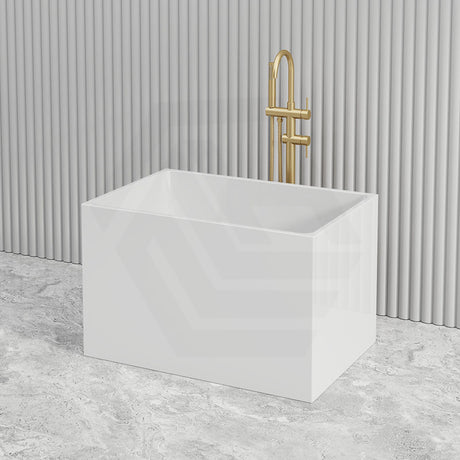
It is very much possible to include a small bathroom with bath, but the key is that the bath and bathroom layout should be planned with care from the outset. When space in a bathroom is constrained you may also want to consider using a compact slipper bath or a Japanese soaking tub that is only 1200 mm to 1400 mm long but has greater soaking depths. For bathrooms less than 5 m², an alcove bath-shower combination is the best choice since the bath sits where the shower would normally be without taking up any extra room.
Wall-hung vanities also free up visual space and floor space, making the room feel larger — and once you have the layout sorted, it is worth thinking about the building code requirements that come with installing a bath against a wall. Where the bath meets a wall, AS 3740:2021 requires waterproofing up to at least 150 mm (NCC 2022, ABCB Housing Provisions, Part 10.2) (AS 3740:2021) above the rim of the bath. A common mistake in a smaller bathroom is choosing a bath that blocks off the only entry point, so be careful to allow for the door swing, and the door access to the toilet and vanity before choosing a specific type or size.

Freestanding and Concrete Tubs: Materials, Costs and Specifications
Once you have the layout and size out of the way, there is the matter of material and that impacts the floor prep, weight, maintenance and cost.
Acrylic is the most common material used in Australia, and the bulk of freestanding baths on the market at the moment are acrylic. They are light in weight, and hold the heat fairly well. A basic freestanding acrylic bath starts from around $878, and up to around $3,500 for some designer and shaped models. Broadway and Poseidon both have an acrylic freestanding range to consider.
Stone resin is quite heavy but provides more heft, and holds the heat slightly better. A typical freestanding stone resin bath weighs between 80 kg to 130 kg. Depending on size and profile, prices are around $2,000 to $5,000.
Concrete tubs are a different material entirely, and require a higher degree of planning in the early stages. A concrete soaking tub typically weighs between 150 kg and 300 kg and requires floor load considerations before installation can happen. Concrete must be resealed periodically, so factor in ongoing maintenance costs. An installed concrete tub will cost between $2,000 to $6,000, depending on the size and the finish. AS 3740:2021 requires waterproofing to extend 150 mm above the bath rim at wall junctions, and there is another compliance point worth flagging while you are working through the installation requirements. Also, hot water at all bathroom outlets must be limited to 50°C (AS/NZS 3500.4) per AS/NZS 3500.4 — confirm this with your licensed plumber when selecting bath tapware.

Clawfoot Baths and Statement Bathtub Ideas
If you have decided to be a little more unique and plan around clawfoot baths, or other statement bathtubs, consider the following:
Clawfoot Baths are a specific style sub-category within freestanding baths, and the considerations for installation are the same. However, Clawfoot Baths are much more visually significant. A cast iron Clawfoot Bath typically weighs between 100 kg and 160 kg. Floor load considerations need to happen, particularly in heritage buildings where timber frames are in place. Acrylic clawfoot baths offer a significantly lighter alternative — often 30 kg to 50 kg — while retaining the aesthetic. Clawfoot Baths are generally 1500 mm to 1700 mm in length. One common oversight that I have seen with Clawfoot Baths is that the tapware and plumbing is usually floor mounted, so plumbing is brought up through the floor instead of the wall. Make sure you let your licensed plumber know before you buy the bath and tile the room.
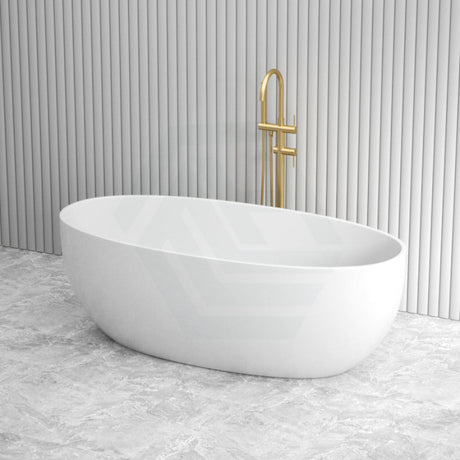
Clawfoot Baths are my absolute favourite statement bathtub ideas, but my other favourite is planning around a double-ended stone resin oval tub. They look spectacular when walked into the room. A freestanding oval bath in the 1700 mm range from CETO looks particularly great in bigger ensuite or large bathrooms. Whatever it is you choose, and I do recommend you consider any statement bath, make sure you give it room to stand proudly in the middle of the room. Nothing should be visible when walking into the doorway that blocks the view.
References
National Construction Code 2022, ABCB Housing Provisions, Part 12.2 Livable Housing
AS 3740:2021 Waterproofing of Domestic Wet Areas, Standards Australia
National Construction Code 2022, ABCB Housing Provisions, Part 10.2 Wet Areas
AS/NZS 3500.4 Plumbing and Drainage — Heated Water Services, Standards Australia