05 December, 2025
Bathtub Installation Cost: What Should You Expect to Pay?
Australia bathtub installation costs: $1K–$10K average. Price breakdown by tub type, labour, removal & extras. Key factors + 7 tips to save on your bathroom upgrade!

A new bathtub can change the whole feel of a bathroom, whether you’re renovating or starting fresh. A good bathroom should feel calm and comfortable, and the tub is often the main feature where you relax after a long day.
But picking the right tub isn’t only about looks. You also need to think about size, what it’s made from, your plumbing setup, water pressure, and how much you want to spend. In Australia, bathtub installation costs can change a lot depending on the tub style, labour, old tub removal, and extra materials, so knowing these parts early makes planning much easier.
In this guide, we provide a detailed breakdown to help you plan your project effectively.

Average Cost of Installing a Bathtub
Installing a bathtub is one of the major tasks in any bathroom renovation, and costs can vary widely depending on the style, materials, and complexity of the job. In Australia, a basic tub can start from around $200, while more luxurious options can exceed $4,000.
Installation costs generally range from $500 to $1,000, but full replacement, including the tub, plumbing connections, waterproofing, and labour, typically falls between $1,200 and $5,000 or more.
In some cases, a professional may need to cut access holes or carry out additional carpentry, which can increase the overall price. Overall, most homeowners can expect bathtub installation costs to range from $1,000 to $10,000, depending on their preferences, site conditions, and the complexity of the installation.
Typical Bathtub Installation Cost Breakdown
The total cost of installing a bathtub comes from a few main costs. You pay for the bathtub itself, the labour to put it in, the old tub removal if you’re replacing one, and any extra parts like pipes, fittings, or small building work. Below is a clear breakdown of the typical bathtub installation cost so you know exactly what to expect.
Bathtub Unit Cost by Type
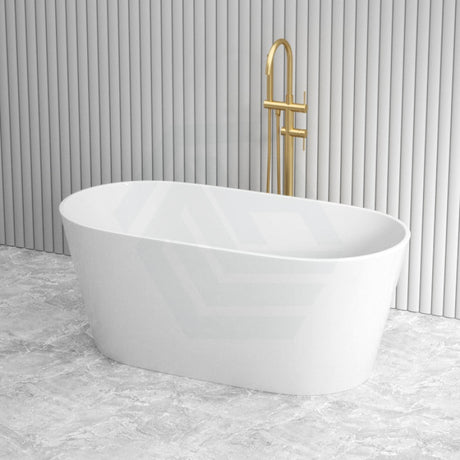
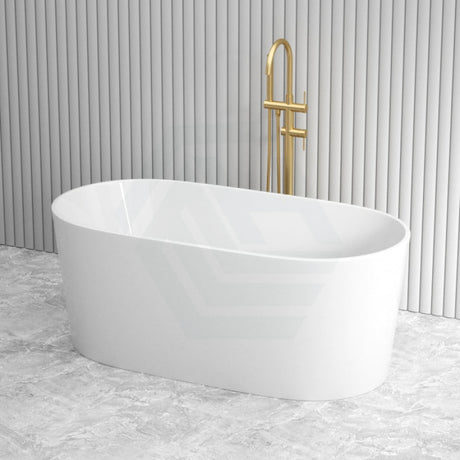
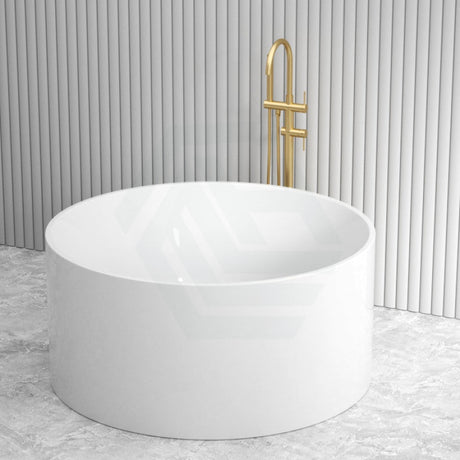
When it comes to bathtubs, there’s now a wide range of shapes, materials, and designs to suit every style and budget. Each option comes with its own price point, so understanding these differences helps you choose confidently. From sleek modern designs to more traditional options like clawfoot baths, which bring a classic, freestanding aesthetic, your choice will influence both product and installation costs.
Here is a clear breakdown of bathtub unit costs by type.
| Bathtub Type | Typical Price Range | Key Details |
| Whirlpool Bath / Jacuzzi | $1,700–$8,000+ | Relaxation-focused; higher installation and maintenance costs, with luxury freestanding models at the top end. |
| Stone Bath | $3,500–$6,000+ | Premium, highly durable, and ideal for luxury bathrooms. |
| Solid Surface Bath | $3,000–$6,000+ | High-end material with a beautiful matte finish. |
| Corner Bath | $1,500–$4,000+ | Great for small bathrooms, offering practical space-saving design. |
| Freestanding Bath | $1,400–$6,000+ | Stylish statement piece; more complex installation. |
| Back-to-Wall Bath | $1,300–$3,000+ | Offers a freestanding look with efficient wall placement. |
| Inset Bath | $300–$800 | Affordable and ideal for tiled surrounds; good overall value. |
Labour Cost
Replacing a bathtub is a complex job that’s best handled by licensed professionals. Plumbers manage the plumbing, drainage, and any required removals, while tilers and electricians may also be needed. Costs vary by location and job complexity, so getting detailed quotes helps you budget confidently.
| Professional | Typical Cost | Notes |
| Plumber (hourly rate) | $70–$120/hr | Higher in major cities or remote areas. |
| Plumber Call-Out Fee | $60–$100 | May be included or charged separately. |
| Electrician (hourly rate) | $70–$130/hr | Needed for spa or whirlpool tubs. |
| Tiler | $75–$120 per m² | For replacing or renovating tiled surrounds. |
Removal and Disposal Fees
Removing an old bathtub typically adds to your project cost, with prices varying based on access, materials, and any required wall or tile repairs. These factors help determine the final removal and disposal fee.
| Task / Factor | Typical Cost | Notes |
| Demolition of Old Bathtub/Shower System | $100–$150 | First step in any remodel; cost varies by material and complexity. |
| Floor Modifications / Repairs | $150-$300 | Needed if existing flooring is damaged or structurally weak. |
| Plumbing Inspection & Maintenance | $400–$700 | Includes checking pipelines, potential repairs, permits, and sometimes hot water system adjustments. |
Additional material costs (sealant, hardware, etc.)
Extra materials like tapware, fittings, and waterproofing can quickly add to your budget. Planning for these essentials upfront helps avoid surprises and ensures your new bathtub is installed safely and correctly.
| Item | Typical Cost | Notes |
| Tapware – Floor-Mounted Mixer | From $400 | Common for freestanding baths. |
| Tapware – Wall-Mounted Mixer/Spout | $200–$500+ | Suits inset or back-to-wall baths. |
| Waste & Overflow Fittings | $80–$200 | Often purchased separately to match finishes. |
| Waterproofing | $250–$400 | Required if tiles or surrounds are affected. |
| Tiling Around Bath | $500–$1,000 | Cost depends on tile type and area. |
Factors Impacting Bathtub Installation Cost
Before setting your budget, consider the main elements that can impact how much you’ll pay for installation.
-
Bathtub Type and Material
The tub’s material and construction strongly influence cost. Acrylic is usually the most affordable, while cast iron, stone, freestanding designs, and whirlpool models sit at the higher end. -
Design and Style Preference
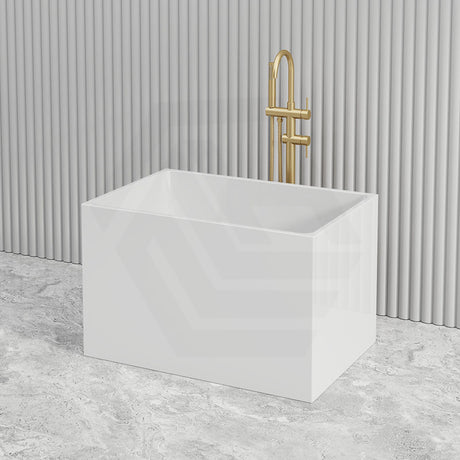
Western bathtubs are elongated for full-body soaking, while Eastern soaking tubs are upright and compact. For homeowners working with limited space, choosing bathtubs for small bathrooms—such as corner, inset, or compact soaking tubs—can help balance comfort with practicality while keeping installation costs more manageable. -
Bathroom Layout and Access
Costs rise if plumbing needs to be relocated, walls need to be modified, or the bathroom is difficult to access. Extra labour or specialised equipment may be needed for complex setups. -
Labour and Professional Fees
Labour makes up a significant portion of installation costs. Rates vary based on the job’s complexity, making it essential to factor in professional fees when budgeting. -
Unexpected or Hidden Costs
Additional expenses, such as demolition, permits, water damage repairs, or asbestos removal, can affect the final price. Allowing a contingency helps avoid budget blowouts.
How Can You Save Money on Bathtub Installation?
Before starting your project, a few clever choices can help you keep costs down without compromising on quality. Here are practical ways to save on bathtub installation:
- Keep the Existing Layout: Avoid moving plumbing or electrical points. Retaining the current layout cuts labour costs and reduces the need for complex construction work.
- DIY Simple Prep Tasks: Handle small jobs, such as clearing the workspace or removing the old tub (if safe), to reduce labour time and overall service fees.
- Compare Multiple Quotes: Get at least three to four quotes from licensed plumbers to ensure you’re getting fair pricing and the best value for your budget.
- Shop Smart for Fixtures: Buy materials during sales, from discount suppliers, or choose off-the-shelf tapware to avoid expensive custom options.
- Choose Budget-Friendly Materials: Opt for acrylic or stone-resin tubs, prefabricated panels, and cost-effective bathroom products to achieve a stylish look without premium pricing.
- Book During Off-Peak Periods: Schedule the work in quieter seasons when tradespeople may offer more competitive rates.
- Repair Instead of Replace: When possible, fix minor pipe issues or surface damage rather than installing new components, helping lower repair and installation costs.

Conclusion
A new bathtub can be a smart upgrade, but the final bathtub installation cost depends on the tub you pick and how much work your bathroom needs. Labour, plumbing changes, removal, and extra materials can all shift the price, so it helps to look at these parts early. With a clear plan and a good installer, you can end up with a bathroom that feels better to use and holds up well over time. For high-quality bathtubs, MyHomeware is a strong option to check out.