14 April, 2026
Japanese Bathroom: Design Tips, Bathtub Styles and Bathing Traditions
Japanese bathroom design ideas for Australian homes: deep soaking tubs, wet zone layouts, minimalist tapware and traditional bathing rituals. Practical tips for creating a serene Japanese-inspired ensuite.

Japanese Bathing Traditions: Understanding the Culture and Practice
For most Australians, the most common mistake they make when it comes to a Japanese bathroom, is that it works the same as ours. It doesn't.
The Japanese bathing area is never used to wash, rather it is used to soak. After washing yourself with shampoo and soap first in the Japanese shower area, a Japanese bathing area then follows at 40 to 42 degrees. Japanese soaking tubs are usually 600mm to 900mm in depth, which provides enough hydrostatic pressure (which reduces muscle tension). In most Australian homes your tub would have a bath depth of around 450mm. Because the bather is clean before they step into the water, the water stays clean. In multi-generational households, the same water is reused by each family member.
The ice bath temperature protocols some experts recommend work on a different principle (10 to 15 degrees), so don't mix these up with traditional Japanese bathing.

Designing a Japanese-Inspired Bathroom for Australian Homes
It's all about understanding the principles and not simply copying the look. When I design a Japanese bathroom for clients, the very first thing I do is create separate zones, a washing area and a soaking area.
A separate shower enclosure ($1,500 to $2,500 installed) away from the tub keeps the splash controlled and the soaking tub becomes a space for contemplation rather than just a utility fixture. Timber-look porcelain tiles ($60 to $90 per square metre) provide organic warmth without all the maintenance of real timber. Stone composite and concrete-look wall panels ($80 to $120 per square metre) round off the palette.
Keeping the visual clutter to a minimum is a functional strategy, not a stylistic one. A wall-hung vanity, a small recessed niche and a single statement mirror will do more than a complex fit-out that covers every surface. A moderate Japanese-inspired renovation can cost between $8,000 and $15,000 based on the type of soaking tub and fixtures selected.

Soaking Tub Styles: Ofuro, Hinoki and Modern Variants
There are three main bathtub ideas when considering Japanese-inspired soaking tubs for an Australian home.
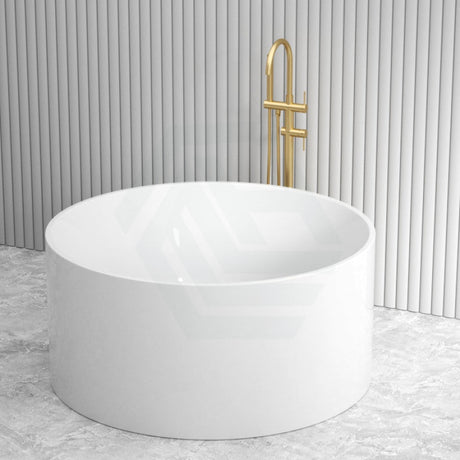
First is the classic ofuro, a hinoki cedar tub. It's usually round or cylindrical, 900mm deep, and its footprint is compact at approximately 1,000mm in diameter. The scent of hinoki cedar is as much part of the bathing experience as the water itself. They do however need work: oiling annually, periodic board renewal (costing $500 to $1,000 every five years or so), and good draining. An authentic hinoki cedar tub can cost from $4,000 to $8,000.
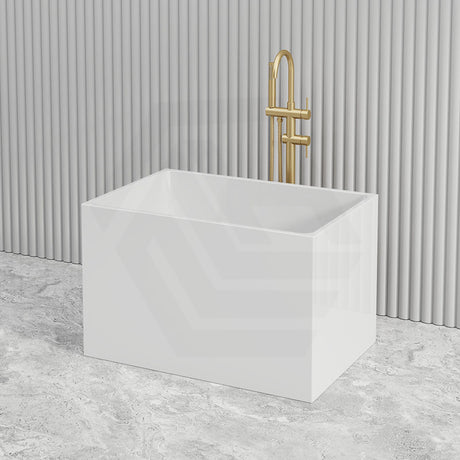
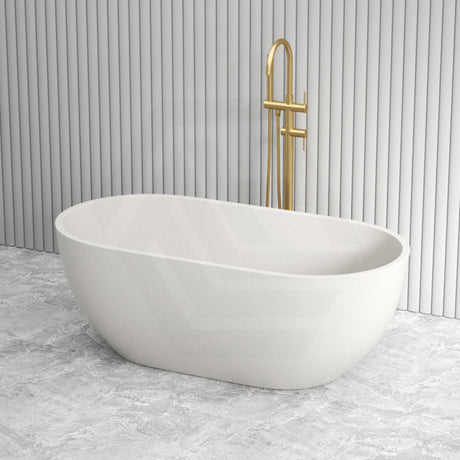
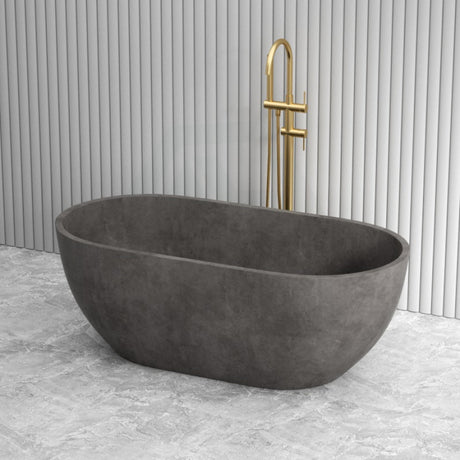
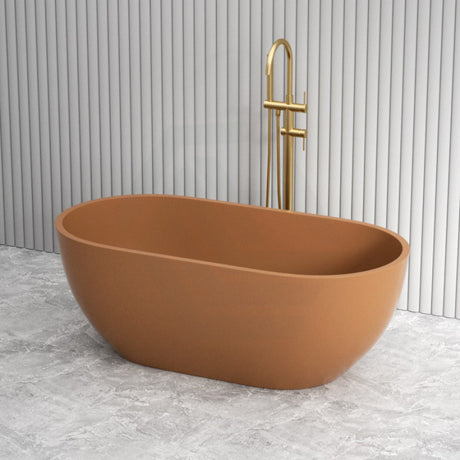
Then there is the modern soaking tub that you find in acrylic or stone composite, which offers the depth (750 to 900mm) but with less maintenance required. Price range is $2,000 to $4,000. A quality Japanese soak tub in this category gives you the deep immersion at less than a third of the ongoing costs.
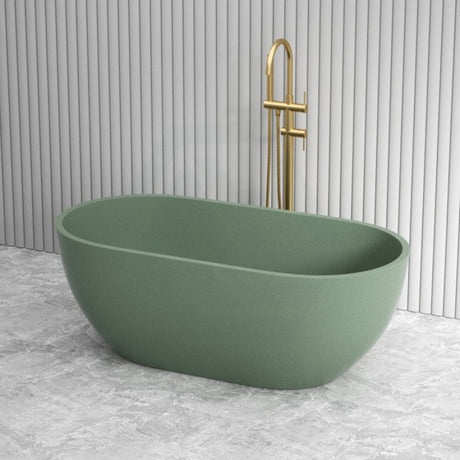
The last option is for a designer-led soaking tub. These types of baths typically have a minimalistic silhouette, are designed with an overflow system, and are usually a matte finish ($3,000 to $6,000). Some designers like to incorporate some fluted bath detailing along the edge to give the bath texture, but without losing the minimalist look.

How to Select Tapware Colour and Fixtures for Japanese Aesthetics
Japanese interiors emphasise minimalism with each fixture being purely functional with minimal decoration.
Having specified finishes across a range of projects, three palette options complement a Japanese-inspired scheme: Matte black provides modern crispness but displays water marks easily. Brushed stainless steel is more forgiving and understated. Antique bronze is more traditional and softens with time, fitting spaces that employ natural timber or stone finishes.
Single-spout tapware for basins (cost: $300 to $600) with simple geometric form looks better than decorative multi-handle options. A rainfall showerhead (cost: $400 to $1,200) gives a gentler cascade of water; this helps emphasise the more ritualistic approach to bathing. Other design details such as soap rests wall-mounted (integrated with the wall tiles), rather than surface-mounted, complete the approach.
The big mistake I see is spending $100 to $300 on decorative budget tapware that starts to look cheap after a few months. A fluted bath or quality soaking tub deserves tapware to match its intended purpose. Simple tapware in a matching finish, that continues through the room and creates a cohesive palette, is what defines Japanese-influenced design.

Layout Optimisation: Wet Zones, Drainage and Space Efficiency
A well-planned japanese bathroom layout can fit both a shower and deep soaking tubs in a 2.5m x 3m space—smaller than many standard Australian bathrooms.
The key is zoning. A compact wet zone (around 2m x 2m), with walls waterproofed to 1.5m high, and the floor falls 3% towards a central drain in order to contain any splash of water. The shower is on one side, the soaking tub on the other. As you shower before you soak, you do not have to worry about space at the same time.
An entrance transition (timber slat mat or change of floor material) creates an entryway, transitioning from daily living to bathing rituals. Wherever possible, position the soaking tub near to a window; where a garden outlook is possible, the experience improves.
Ventilation is not optional in these bathroom designs. Hot deep water, showers and fully enclosed wet zones produce a lot of moisture. A good quality extractor fan with the correct power rating for the space, and an operable window, will protect both the room and adjoining spaces from the moisture hazard.