30 June, 2026
Complete Guide to Toilet Gurgling
Toilet gurgling is a warning sign. Discover the four common causes and know when to call a licensed plumber in Australia.

That hollow, bubbling sound coming from your toilet bowl is rarely just a minor annoyance — it is your plumbing system signalling that something is wrong. The gurgling noise can typically be traced back to one of four causes: a partial blockage in the drain line, a blocked or inadequate vent stack, a failing inlet valve inside the cistern, or a deteriorating shared sewer line. Understanding which of these is responsible is the essential first step, because each cause demands a different fix — and some can be resolved at home with a drain snake available for roughly AUD $30–$60, while others require a licensed plumber.
Video Credit: Drain Medic
What Causes Toilet Gurgling?
During my experience working on multiple residential projects, I've learned that toilet gurgling can typically be traced back to one of four causes. You should figure out what is causing the gurgling noise before spending money on any repairs. The causes can be:
• a partial blockage in the drain line between the toilet and the main sewer pipe
• a blocked or inadequate vent stack
• a failing inlet valve inside the toilet cistern
• a blockage or deterioration in the shared sewer line serving your property
In both new display homes and older inner-city renovations, a partial blockage in the drain will limit water and waste flow. This restriction creates negative air pressure which in turn causes the trap to suck air through. This is the "gurgling" sound. A partial blockage is usually caused by wet wipes, debris, and scale buildup in the pipe.
In Australia, houses built before the 1980s are likely to have drain lines made of cast iron. The inside of this type of pipe corrodes over time, effectively reducing the bore size of the pipe. This makes cast iron drain lines more prone to partial blockages. Vent pipes are a key feature of all sanitary plumbing systems and run through the roof. The purpose of the vent is to balance out the air pressure created by waste flowing through drains. If a vent stack is blocked or collapsed — by leaves or a bird's nest, for example — air will be sucked in through the nearest water seal in the system. The most likely water seal affected will be the toilet trap.
Inside the toilet cistern, a failing or worn inlet valve will gurgle or hiss during the refill cycle. This is not the same as a drain gurgle, though most homeowners are unaware of this and often mistake one for the other. A blockage or a deteriorating shared sewer line is usually the most serious cause and will often require the most urgent attention.

How to Diagnose the Source of the Gurgle
Knowing the four causes is only useful if you can figure out which is affecting your toilet. It's best to figure this out first, before calling the plumber or picking up any tools.
The first check is to listen for when the toilet gurgling occurs. If you only hear gurgling during or immediately after the flush, it's likely a partial blockage in the drain or a trap problem. If you hear the gurgle while the washing machine is running or when the bath is emptying — without the toilet being flushed — it's more likely a shared drain or vent stack problem. These are two different problems which require two different approaches.
You can also check if other drains gurgle at the same time. If your basin or shower gurgle at the same time as the toilet, it's likely the main drain or sewer is the issue. If only the toilet is gurgling, the problem is more likely the toilet itself — such as a trap blockage — or the connection between the toilet and the drain.
If your gurgling problem gets worse in the rain, this is a clue to the source. In older homes, groundwater can enter the sewer line if the line has cracked, causing intermittent gurgling. Be sure to note any patterns you observe before you call your plumber — it will make the diagnosis faster and easier.

DIY Fixes You Can Try First
When you've narrowed down the likely cause, several common causes of toilet gurgling can be resolved at home without hiring a tradesperson, saving you the cost of a call-out fee.
If you suspect a partial blockage in the trap, start by using a good-quality toilet plunger. Select a flange-style plunger, not one with a flat cup, and ensure the extended rubber flange reaches down inside the bowl outlet to create a good seal. Apply a series of strong, firm, even strokes — try at least 15 to 20 — then check. If you have not cleared the blockage, try using a 6-metre drain snake (available for roughly AUD $30–$60 from hardware suppliers). You should be able to feed it down from inside the bowl to dislodge material caught in the S-trap or P-trap.
Inside the toilet cistern, check that your toilet inlet valve is functioning correctly after every flush. A toilet inlet valve that doesn't seat properly when the tank is full can draw air into the supply line, creating a noise similar to a drain gurgle. This is one of the few cistern-level checks a homeowner can safely carry out without calling a tradesperson.
Sometimes debris and leaf litter can block the roof vent stack. However, you should only attempt to clear these if you have proper roof safety equipment and at least one other person to assist. It's best to leave a suspected roof vent blockage to a licensed tradesperson.

When to Call a Plumber — and What Parts May Need Replacing
If you're still not confident after completing the above checks, or if the issue appears to involve a drain pipe or vent stack, you will likely need to call a licensed plumber.
Under Australian plumbing law, any work involving waste pipes, drainage pipes, or vent stacks must be carried out by a licensed plumber. A licensed plumber will carry out a CCTV camera inspection from the sewer end to identify the cause of the blockage or any other faults. A licensed plumber will also test your vent stack to confirm whether a partial or full blockage is contributing to the problem, check your toilet inlet valve and flush valve, and replace any of these parts if necessary.
The parts most commonly replaced at this stage are the toilet inlet valve and the flush valve inside the toilet cistern — both relatively low-cost components, generally AUD $20–$80 for parts. Ensure all replacement parts are WaterMark approved, as required by Australian plumbing codes. A licensed plumber call-out, including parts and labour, will typically cost between AUD $150 to $400, depending on location and the specific work required.

Upgrading Your Toilet to Prevent Future Problems
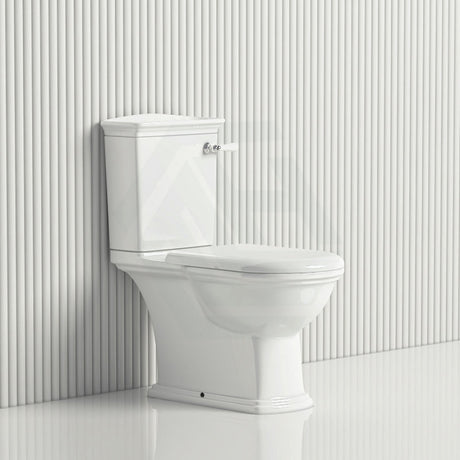
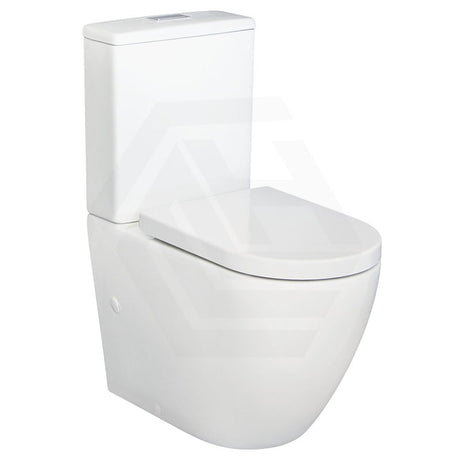
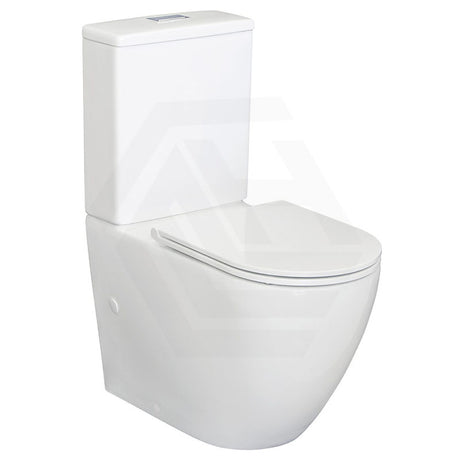
You may decide that purchasing a new toilet suite is more cost-effective than repeatedly replacing parts.
Older toilet suites with narrow, shallow traps often struggle to clear waste and may lack adequate flushing power, leading to more frequent blockages that cause toilet gurgling. A 4-star WELS-rated toilet using 4.5 litres for a full flush and 3 litres for a half flush will perform better than many older suites that are 15-plus years old. Using less water per flush can help prevent future toilet gurgling, as well as reduce your water bills.
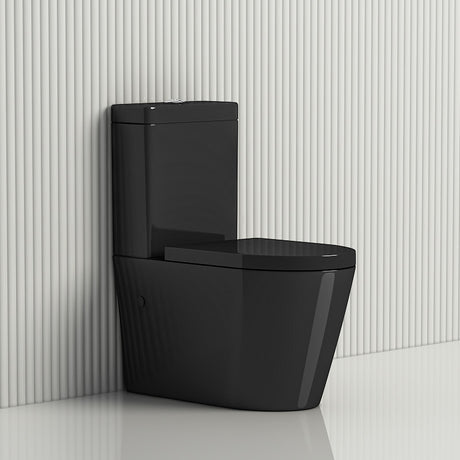
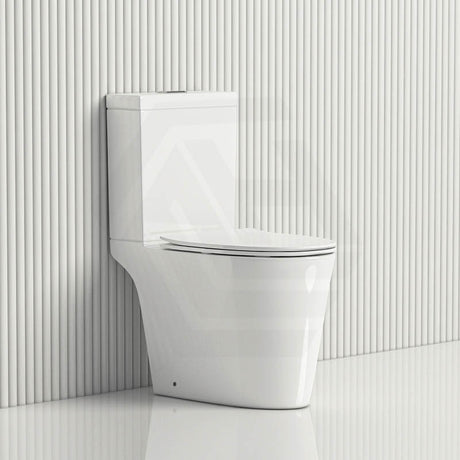
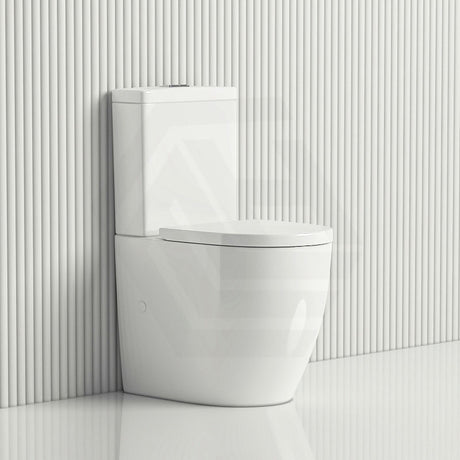
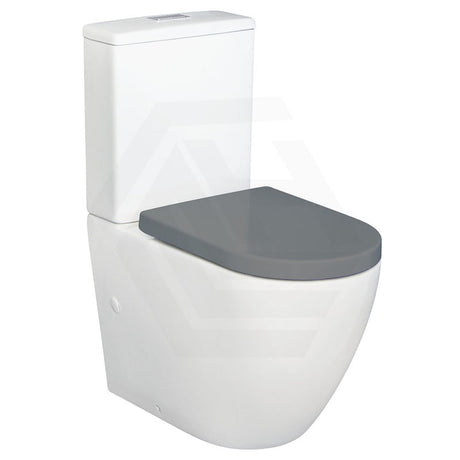
Before deciding which toilet suite to buy, measure your trap setout. In Australia, S-trap setouts are typically 100 to 120 mm from the rear wall to the centre of the drain pipe. A rimless commode — with no rim channel around the bowl, so the flush cleans the entire interior surface — is also easier to clean and reduces the risk of partial blockages that can cause toilet gurgling. Suites from Fienza and Kohler in the rimless commode category typically range from AUD $400–$800. For long-term cost-effectiveness, upgrading can be more beneficial than paying for multiple plumber call-outs.
References
AS/NZS 3500.2:2025 Plumbing and Drainage — Sanitary Plumbing and Drainage, Standards Australia
State and territory plumbing licensing authorities (Building and Plumbing Commission Victoria; Building Commission NSW / NSW Fair Trading; Queensland Building and Construction Commission; Plumbers Licensing Board Western Australia (administered by Building and Energy); Consumer, Building and Occupational Services Tasmania; Access Canberra ACT; Office of the Technical Regulator / Consumer and Business Services South Australia; Plumbers and Drainers Licensing Board Northern Territory)
WaterMark Certification Scheme, Australian Building Codes Board
AS/NZS 6400:2016 Water efficient products — Rating and labelling (incorporating Amendment No. 1:2022 and Amendment No. 2:2022), Standards Australia