07 July, 2026
Complete Guide to Clogged Toilet No Plunger
Got a clogged toilet no plunger in sight? Learn the hot water, dish soap and bicarbonate methods, plus when to call a licensed plumber.

It's 10 pm, the bowl is rising, and there is not a plunger in sight — honestly, one of the more stressful domestic moments a person can experience. Here's the thing: you can clear most organic blockages using nothing more than items already in your kitchen. The hot water and dish soap method (pour half a cup of dish soap in, follow with 2 to 3 litres of hot water at between 60 and 70°C, then wait 15 to 20 minutes before flushing) is the fastest first move. If that doesn't shift it, bicarbonate of soda, white vinegar, and a little patience usually will.
Video Credit: Mike Klimek
Why Your Toilet Blocks and What's Actually Happening in the Pipe
A blocked toilet feels like the apocalypse, until you think about it. The only way to get to the toilet's other side and know just what you're dealing with is to learn what's actually going on inside the pipe.
Most clogs form in the toilet's trap, an elbow in the pan's base that holds a small amount of water to block sewer gases from making their way back into the toilet. If something is caught in the trap — an object, excess toilet paper, or non-flushable items — and water can't pass it, the water level in the bowl will quickly rise. AS/NZS 3500.2:2025 governs Australian sanitary plumbing and drainage requirements, specifying that all plumbing fixtures and fittings must be connected to an efficient and correctly graded system. A toilet's trap cannot support the volume of water required to shift an obstruction, so rather than moving through, water is forced to back up in the bowl.
A low-flush toilet system might be another contributor. WELS 4-star toilets operate with 4.5 litres on a full flush and 3 litres on a half flush. These lower volumes are good for water conservation, yet might not deliver enough force to clear even a small clog. If you default to half-flush out of habit, it could be part of the problem.
If the clog is composed of soft organic material such as toilet paper, it should be fairly straightforward to clear yourself. If it's caused by a solid foreign object — a toy or bottle cap — you'll need to call a licensed plumber, as the probability of clearing it on your own is rather low.
Once you've established that it's likely an organic clog, the easiest fix requires nothing more than items from your own kitchen.

Hot Water and Dish Soap Method
Grab your dish soap from the kitchen sink and a kettle. This is the most straightforward approach to a clogged toilet no plunger situation and generally has a higher success rate than most people expect.
Pour half a cup of dish soap directly into the toilet bowl. Dish soap acts as a lubricant, helping to shift the clog through the pipe. Then heat water to between 60 and 70°C — don't bring it to the boil. Pouring boiling water into a cold toilet risks cracking the bowl, which is quite an expensive mistake. AS/NZS 3500.4:2025 places an upper limit on hot water delivery temperature at bathroom outlets at 50°C for anti-scald reasons, which gives you an indication of how sensitive plumbing systems are to heat extremes. Hot tap water, or kettle water left to cool for a few minutes, is the correct temperature.
Pour approximately 2 to 3 litres into the bowl from around waist height — the force helps push the soap down into the trap. Then wait: 15 to 20 minutes minimum, then flush.
This works well on soft clogs. It will not shift a solid object.
If this method doesn't shift the blockage after the first attempt, try a mild chemical reaction using pantry staples before reaching for harsh drain cleaners.

Baking Soda and Vinegar Method
Measure out one cup of bicarbonate of soda and tip it directly into the bowl. Follow immediately with two cups of white vinegar. The fizzing reaction creates a mild carbonic acid that can help dissolve organic material or paper lodged in the trap.
Wait 30 minutes before doing anything else — you don't want to flush the reaction away before it has done its work. Once that time is up, add a litre or two of hot water (following the same temperature rules above) and flush.
This method works well on paper and organic blockages. It will not work on a solid foreign object, so keep that in mind.

Mechanical Methods: Wire Coat Hanger and Wet/Dry Vacuum
If liquid methods haven't shifted the blockage, you can try a pushing or pulling action instead.
Straighten a wire coat hanger and wrap the tip in cloth to avoid scratching the bowl. Gently insert it into the trap and try to hook the object or push it through. Take your time and use a gentle twisting motion rather than forcing it.
Alternatively, a wet/dry vacuum can work — though it's a little messy. Remove as much water from the bowl as possible first. Place the vacuum hose over the bowl outlet, create as tight a seal as possible, and run it on wet suction. The vacuum may pull the object back out.
Neither option is glamorous, but both can work if the object is lodged near the trap opening.

When to Call a Plumber and How to Prevent Future Blockages
If you hear gurgling from other drains, smell sewage, notice water rising in the bath or basin when you flush, or have exhausted the methods above without success, the blockage is likely beyond the pan and into the waste pipe. Removing the toilet pan to access this is licensed plumbing work in every Australian state — do not attempt it yourself. Call a licensed plumber.
Going forward, flush only toilet paper. Do not flush wipes labelled "flushable" — they are not. Avoid cotton buds, paper towels, and dental floss as well.
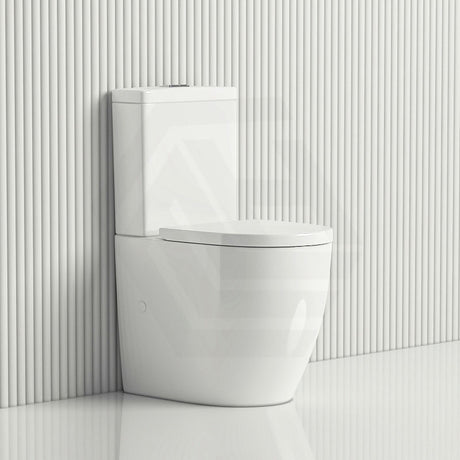
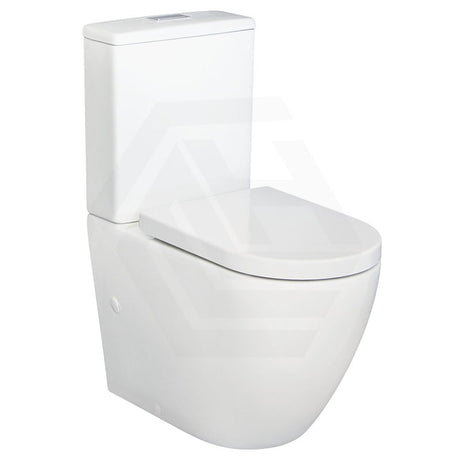
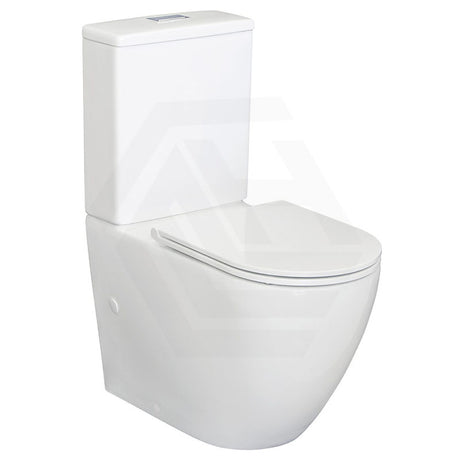
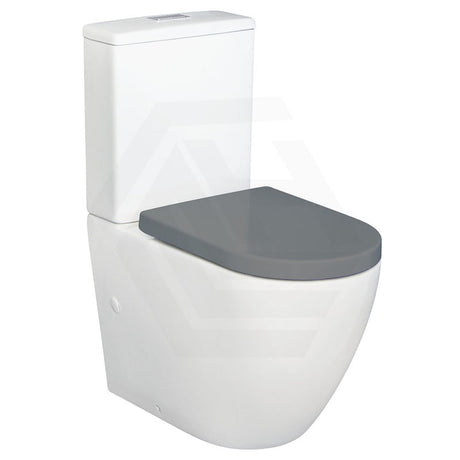
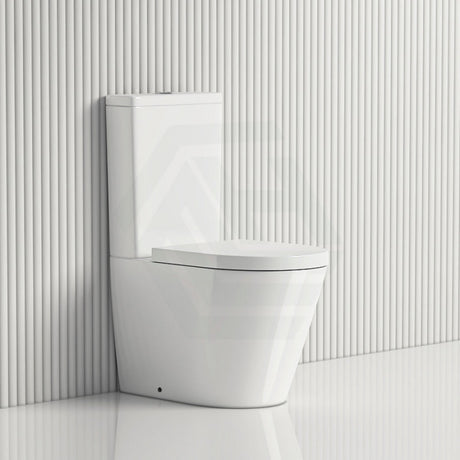
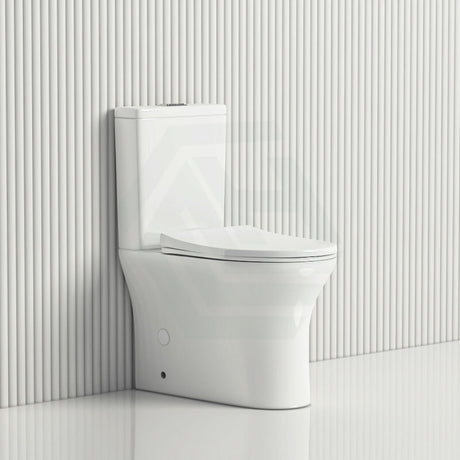
If blockages are a recurring problem, it may be time to upgrade your toilet suite. A rimless commode can help: the directed flush cleans the entire bowl surface without debris collecting in hidden rim channels, producing a more effective flush and reducing the risk of partial blockages. Many rimless pans — including Fienza's range, which features Nano-Glaze technology — reduce buildup further still. Browse the full toilet range at MyHomeware and filter by flush type and trap to find the right fit.
Ultimately, facing a clogged toilet no plunger situation is best resolved long-term by improving flushing habits and choosing a toilet suited to daily use. If you're unsure about your current suite, inspect your toilet bowl parts and repair or replace anything not performing as it should.
References
AS/NZS 3500.2:2025 Plumbing and Drainage — Sanitary Plumbing and Drainage, Standards Australia
AS/NZS 3500.4:2025 Plumbing and Drainage — Heated Water Services, Standards Australia
State and territory plumbing licensing authorities (Building and Plumbing Commission Victoria; Building Commission NSW / NSW Fair Trading; Queensland Building and Construction Commission; Plumbers Licensing Board Western Australia (administered by Building and Energy); Consumer, Building and Occupational Services Tasmania; Access Canberra ACT; Office of the Technical Regulator / Consumer and Business Services South Australia; Plumbers and Drainers Licensing Board Northern Territory)