30 March, 2026
How to Fix a Leaking Toilet Cistern: Step-by-Step Repair Guide
Leaking toilet cistern wasting water and money? Learn how to diagnose and fix common issues like faulty inlet/outlet valves and seals with this simple DIY step-by-step guide.

That sound you can hear from the bathroom? If you’ve been hearing it for weeks and keep telling yourself that it will somehow magically fix itself… it won’t. I know that because I spent an unreasonable amount of time telling myself the exact same thing before I finally investigated. And if you are like me, you’ve probably been ignoring it for weeks, too. But a cistern leak is one of those things that doesn’t seem like much of an issue until you get your water bill. So if your toilet keeps running, or if you’ve noticed water around its base, here’s a step-by-step guide to help you identify and fix it.
What’s Causing the Leak and Why You Should Care
When your toilet cistern leaks, it isn’t just wasting water. It is also quietly ramping up your water bill, and if it’s bad enough, it can eventually seep into the floor below. In Australia, a leaking toilet can waste up to 10–60 litres per hour. 60 litres! Per hour! That adds up quickly, and your bank account will know it. So, what’s the cause of the leak? Your inlet valve could be worn out, which will allow water to continuously flow into your cistern. Or your outlet valve (also called the flush valve washer) may have deteriorated, which will allow water to flow into the toilet bowl. Or it could be the rubber seal connecting the cistern to the bowl that has perished. Rubber isn’t meant to last forever, particularly in a damp environment such as your bathroom. If you can work out where the leak is coming from, then even if you do end up calling a plumber, you will at least have some idea of what they’re talking about.

Where Is the Leak Coming From?
For simplicity, let’s divide your cistern into 3 zones. The inlet, the outlet, and the base seal. And they each give slightly different symptoms. If the water is constantly trickling into the bowl (even when no one has flushed the toilet), you probably have a faulty outlet valve. Pop the lid off the cistern and take a look at the flush valve washer at the bottom. If it looks cracked, warped or discoloured, that’s probably your problem. If the cistern is overflowing and water is running into the overflow tube, you have an issue with your inlet valve. The inlet valve is the valve that controls the amount of water flowing into the cistern after you flush. And if it’s worn out, then it can’t turn itself off. If you notice water is leaking from the toilet into the floor around the toilet pan, then the fault is with the cistern to pan seal. This is a common occurrence in older Australian toilets as the original rubber sealants have perished.

Repairing a Leaking Outlet Valve, The Main Offender
This is the repair I write about the most because it accounts for the majority of leaking toilet cistern issues. The cistern outlet valve washer is a rubber disc located at the bottom of the toilet cistern that creates the water seal which retains the water until you press the flush button. To repair this leak, locate the isolation valve behind the toilet pan and turn it clockwise. This will shut off the water supply to the cistern. Flush the toilet to empty the cistern and use a sponge to soak up any remaining water. The flush mechanism usually twists off, so remove the mechanism to access the rubber washer. Take this to your local Bunnings Warehouse or hardware store as you will need to replace it with an identical type and size. These cost only a few dollars, so pop the new one in and replace the flush mechanism. Turn the water back on and test to see if the leak has stopped. In most cases, that is all it takes for a successful toilet cistern repair.

Adjusting or Replacing the Inlet Valve
If the cistern keeps running and is overflowing, then the inlet valve is where you need to look. The inlet valve (or fill valve/ballcock) is responsible for controlling the amount of water that fills the cistern. Start by checking the float arm or float cup. In the older style cisterns you will find a plastic ball on the end of a metal arm. If this is bent or the ball is full of water (yes this can happen and they crack), then the valve will not shut off at the correct height. You can adjust the arm to a lower position or replace the ball if full of water. In the newer style cisterns you will find a float cup which moves up and down a vertical plastic column. There will be an adjustment screw or clip which allows you to alter the height of the shut off. Adjust this screw or clip so the water height sits just below the top of the overflow tube (about 20mm). If adjusting this does not stop the leak then you may need to replace the entire inlet valve. These are available at most hardware stores and come with fitting instructions.

Calling in the Plumber (and how to fix a leaking toilet)
Not all leaking toilet cistern problems are DIY weekend jobs. If you have a crack in the body of the cistern, or leaks still persist after you’ve replaced the valves, or your cistern is an old model where you can no longer find replacement parts, then you need a licensed plumber. If you’re wondering how to fix leaking toilet that’s a problem with the base seal, the answer is that this is another DIY fix but a bit more involved. You’ll need to unbolt the cistern from the bowl, replace the rubber gasket, and bolt everything back on again. It’s achievable, but you need to be able to work with the connection.
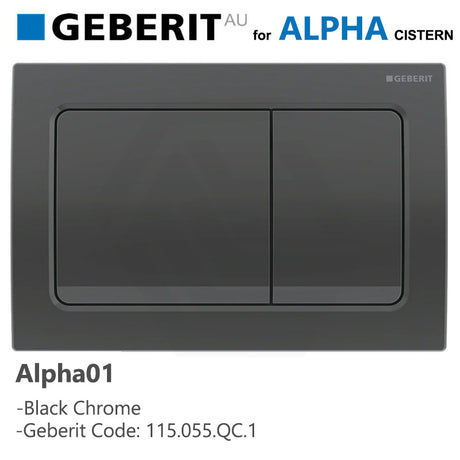
If you’re replacing items and buying a new toilet bowl and tank, make sure it matches up with your existing plumbing configuration. Is it a P trap or S trap? What is the set out distance? And if the button on your toilet has been playing up and sticking, or not returning, or you need to press it multiple times, a new loo flush button can make a big difference. It’s a small item but it controls the whole flushing process, and if it’s worn it can cause the cistern to lose water all the time. When you buy replacement parts, ensure you check if your cistern is a standard toilet tank or concealed. The difference is huge and if you use the wrong items it won’t fix your issue.