31 August, 2026
Toilet Waste Vent: How It Works in Australian Homes
Learn how a toilet waste vent keeps sewer gases out of your home. Covers common problems, trap types, and when to call a licensed plumber.

Ever noticed a faint smell of sewage drifting through your bathroom, or heard a strange gurgling sound after flushing? Those unsettling signs often point to one overlooked component hidden inside your walls and roof. Think of the vent stack as your plumbing system's lungs—it equalises the pressure within the drain-waste-vent (DWV) system so that the trap seal doesn't get emptied, keeping sewer gases out of your home. Understanding how this system works—and what can go wrong—helps you spot problems early. Repair costs for a blocked or cracked vent stack typically range from $150 to $400 depending on your state and the complexity of access.
Video Credit: Hammerpedia
What a Toilet Waste Vent Actually Does
When you flush a toilet, water flows down the waste pipe. If there's no way for air to enter the waste pipe behind the water, negative pressure can be created. This suction can empty the trap seal in the base of your toilet. By providing a way for air to enter the system, a toilet waste vent equalises the pressure within the drain-waste-vent (DWV) system so that the trap seal doesn't get emptied. The toilet waste vent extends up through the wall, through the roof, and releases sewer gases into the air above the home. It's a simple concept, but crucial for the function of every toilet in your home. Australian plumbing regulations, outlined in AS/NZS 3500.2:2025, cover the design, sizing, location, and installation of vent pipes as part of a dwelling's sanitary plumbing and drainage system.

How the Venting System Works in Australian Homes
A typical Australian home will have a single-stack drainage, waste, and vent (DWV) system with a single vent stack to vent all of the sanitary fixtures in the home. The branch vents from individual fixtures tie back into the main stack. Larger or older homes may utilise a dual-stack DWV system, where multiple vent stacks exist, each serving a portion of the building. A dual-stack system is more likely to be found in a multi-storey or heritage home where the existing design of the home makes the installation of a single-stack system impractical.
The main vent stack is typically 100 mm PVC. Vent stacks must extend at least 150 mm above the roofline as specified by AS/NZS 3500.2:2025 to ensure the gases released do not enter windows, eaves, or air conditioning units. Each component used to install a vent stack, including fittings, junctions, bends, and connectors, must have WaterMark certification. WaterMark is Australia's mandatory product certification scheme for plumbing and drainage products. The National Construction Code (NCC) also covers requirements such as minimum pipe sizes and required clearance distances for vent piping. There are strict standards regarding the venting systems for Australian homes, so a licensed plumber won't need to guess how to design or modify a venting system. Even if installed correctly, toilet waste vent systems can experience issues over time, so being aware of the symptoms of a faulty toilet waste vent can save you a lot of money in repairs.

Common Toilet Waste Vent Problems and How to Spot Them
Gurgling sounds after flushing, slow drainage, and a faint smell of sewage in your bathroom can all be symptoms of a toilet waste vent issue. Blockage is the most common cause of vent issues in an Australian home. Leaves, debris, or even bird nests can build up in the vent stack and block airflow to the vent stack opening, leading to negative pressure in the system. Damage to the vent stack can also cause problems. Cracks or gaps in the vent stack allow gases to escape from the system and into the walls of your home.
As a homeowner, you're able to identify symptoms and be aware of when they occur. Knowing whether you've noticed symptoms only after flushing the toilet completely, whether they appear during heavy rain, or whether they occur in a specific bathroom, are all details a plumber will find useful when trying to diagnose the issue. However, any work on the vent stack or waste pipe must be carried out by a licensed plumber. Plumbing vent pipework cannot be modified or cleared by unlicensed individuals in any Australian state or territory. Repair costs for a blocked or cracked vent stack typically range from $150 to $400 depending on your state and the complexity of access. Many issues with venting originate from the style of trap connected to the waste pipe, so here's a look at the differences between an s trap and a p trap toilet.

S-Trap vs P-Trap: Which Connects to Your Vent Stack
The trap type used with your toilet impacts how well the venting system works to protect your home. An s trap exits through the floor. It has a 100–120 mm setout from the wall to the pipe centre. It's the older style found in houses across Australia, including many older homes today. S traps can self-siphon — when water flows out of the trap, it can drag the remaining water with it if the venting is not quite up to scratch.
| Feature | S-Trap | P-Trap |
|---|---|---|
| Outlet direction | Floor | Wall |
| Setout from wall to pipe centre | 100–120 mm | 185 mm |
| Self-siphon risk | Higher — can drain trap seal if venting is inadequate | Lower — connects more securely to vent stack |
| Wall-hung toilet compatible | No | Yes — only option for in-wall cistern systems |
| Status under modern Australian plumbing codes | Older style, still found in existing homes | Preferred for all new construction and renovations |
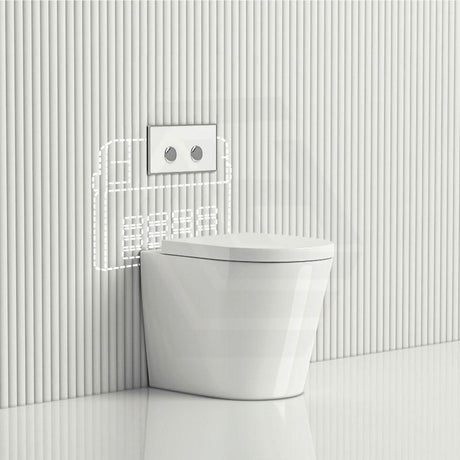
A p trap toilet exits through the wall. It has a 185 mm setout from the wall to the pipe centre. A p trap connects more securely to the vent stack and is far less likely to self-siphon. Modern Australian plumbing codes prefer p trap in all new construction and renovations. All wall-hung toilets are p trap only — there is no floor outlet with an in-wall cistern system.
If you are planning a renovation and your existing rough-in is s trap, ask your licensed plumber whether it is possible to convert it within your existing floor plan.

Choosing the Right Toilet Pan for Your Waste and Vent Setup
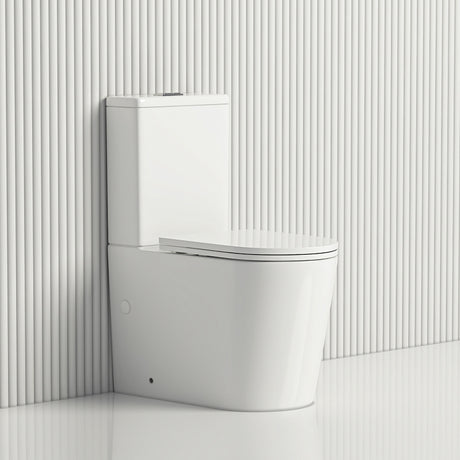
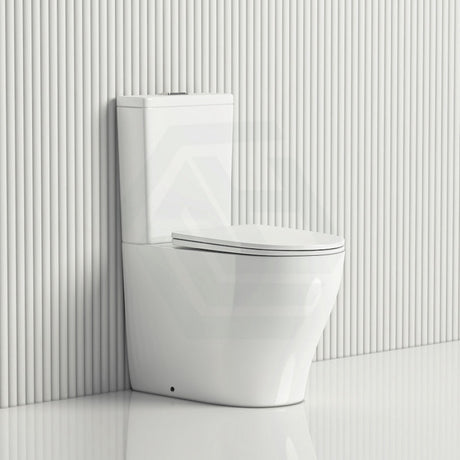
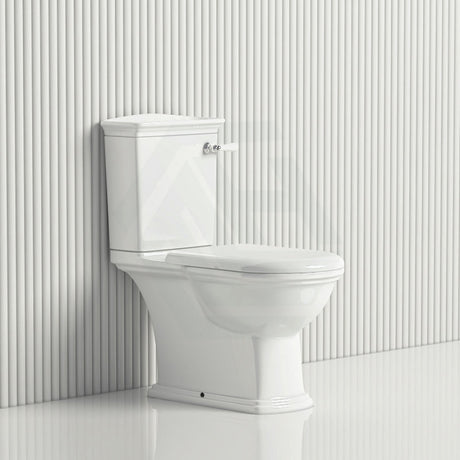
Now that you know which trap type suits your vent system, the final step is choosing the correct toilet pan for your waste pipe and rough-in. This is where a lot of homeowners make mistakes — they buy the wrong toilet pan because they did not measure the outlet type and setout distance of the existing waste pipe. Before you shop for a toilet pan, measure the distance from the wall to the pipe centre of the existing waste pipe outlet in the floor or wall. An s trap pan requires a 100–120 mm setout. A p trap pan requires a 185 mm setout.
Once you have this measurement, you can go ahead and look around. Most high-quality toilet pans from brands like Poseidon, Fienza, or Kohler will indicate the outlet type and rough-in range in the product specification. Every toilet pan sold in Australia must comply with the WaterMark Certification Scheme and must be WELS rated under AS/NZS 6400:2016. Choose a toilet pan with a 4-star WELS rating — that means 4.5 litres for a full flush and 3 litres for a half flush, which is common across most toilet models sold in Australia today. If you get the toilet pan specification right before purchasing, your licensed plumber will be able to install it without delay or unnecessary cost.
References
AS/NZS 3500.2:2025 Plumbing and Drainage — Sanitary Plumbing and Drainage, Standards Australia
AS/NZS 6400:2016 Water efficient products — Rating and labelling (incorporating Amendment No. 1:2022 and Amendment No. 2:2022), Standards Australia
WaterMark Certification Scheme, Australian Building Codes Board
State and territory plumbing licensing authorities (Building and Plumbing Commission Victoria; Building Commission NSW / NSW Fair Trading; Queensland Building and Construction Commission; Plumbers Licensing Board Western Australia (administered by Building and Energy); Consumer, Building and Occupational Services Tasmania; Access Canberra ACT; Office of the Technical Regulator / Consumer and Business Services South Australia; Plumbers and Drainers Licensing Board Northern Territory)