05 May, 2026
Marble Bathroom Ideas: Luxury Ensuite Design with a Freestanding Bath
Marble bathroom ideas for luxury Australian ensuites: freestanding baths, stone benchtops, coordinated tapware and sealing tips. Create a timeless, spa-like retreat with natural elegance.

Why Marble Works So Well in a Bathroom
A marble bathroom truly captures the attention. From following many renovation projects, and reading many articles about interiors, I have been able to confirm that using marble in an ensuite has never been a fad. It has continued to be a favourite as it does the job well.
The hardness of marble (generally 3–4 on the Mohs scale) means it is tough enough for the daily use of a busy ensuite, and its thermal mass means that it will retain warmth underfoot longer than other types of tiling once the floors are heated. As for its porosity, which is a major issue that leads homeowners to avoid using marble, this can be easily overcome. A penetrating sealer applied every six to twelve months is genuinely all it takes to protect the marble in a high-humidity environment. It really is not much of a chore for what is such a stunning material.
Whatever tile you use, waterproofing the substrate correctly is non-negotiable. Shower walls must be waterproofed to at least 1800mm above the floor substrate (NCC 2022, ABCB Housing Provisions, Part 10.2), and bath-adjacent walls to a minimum of 150mm above the rim. Allow a minimum cure time of 24–48 hours between waterproofing coats before any tiling begins. Compliance is typically achieved via AS 3740:2021, and this work must be completed by a licensed waterproofer before any tile goes down.

Choosing the Right Marble for Your Ensuite
After developing a solid understanding of why marble performs well in a wet area, the next step is narrowing the focus to the variety that suits your ensuite budget, floor loading, and slip-resistance requirements.
Carrara is the entry point — soft white with delicate grey veining, typically $80–$120 per square metre supply only, and widely available in 600×600mm and 600×1200mm formats. Calacatta is bolder, with thicker, more dramatic veining and a whiter base; expect to pay $150–$250 per square metre, and factor in two to four weeks of additional lead time for slab imports. Statuario sits at the premium end — striking, high-contrast veining on a near-white ground — and can climb well beyond $300 per square metre for quality slabs. Nero Marquina, a deep black marble with white veining, makes a stunning feature wall or floor in a contemporary ensuite.
For floors specifically, finish matters enormously. Polished marble is slippery when wet and should be reserved for walls only. Honed (smooth matte) is the right call for any floor application, and you want to confirm a P4 or P5 slip-resistance rating for wet-area floors under AS 4586. Rectified tiles allow grout joints as narrow as 1.5–2mm, which reads as far more luxurious than the 3–5mm joints you get with non-rectified tiles. For 20mm-thick marble, factor approximately 25–30kg per square metre of additional floor load — your builder or structural engineer needs to confirm the subfloor can carry it before you commit.

Bathroom Vanity Ideas for a Marble Ensuite
Once you have a marble variety and format selected, attention turns to the vanity — the other major surface area in the ensuite and a separate set of material and sizing decisions that need to work in harmony with your chosen stone.
There is genuine value in understanding that the vanity top and the vanity cabinet are two distinct purchasing decisions. The cabinet — available in PVC (waterproof, budget-friendly), MDF (mid-range, painted finish), or premium plywood (Aulic and CETO both offer beautifully crafted Australian-made options) — determines durability and price. The benchtop material is chosen separately: a honed marble or engineered stone top in a coordinating vein can tie the whole room together beautifully.
For bathroom vanity ideas in a marble ensuite, wall-hung configurations read lighter and more luxurious, and they make a tiled floor easier to clean. Standard widths run from 750mm (compact single basin) through 900mm and 1200mm up to 1500mm for a generous double-basin setup. Installed costs vary considerably — a 900mm wall-hung PVC cabinet with stone top starts at $1,200–$1,800, rising to $5,000–$8,000 installed for a premium 1500mm double-basin plywood vanity with a honed marble top from Aulic or CETO (price excludes tiling and plumbing).

Designing Around a Freestanding Bath
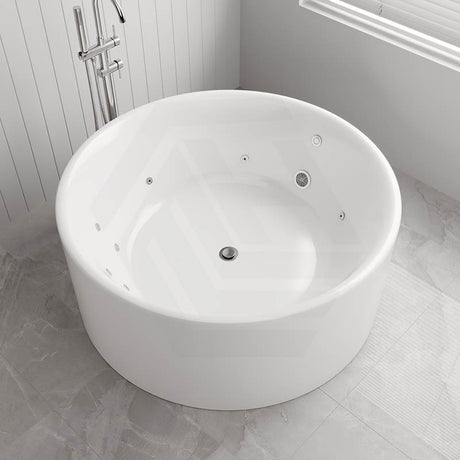
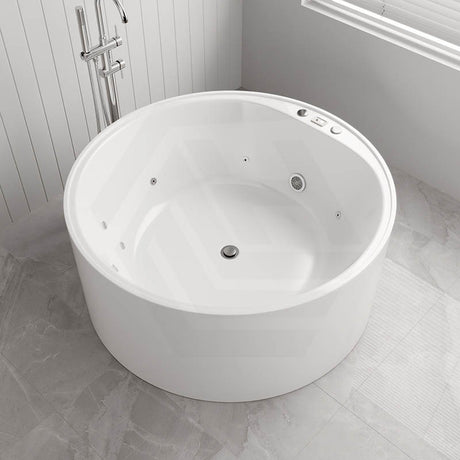
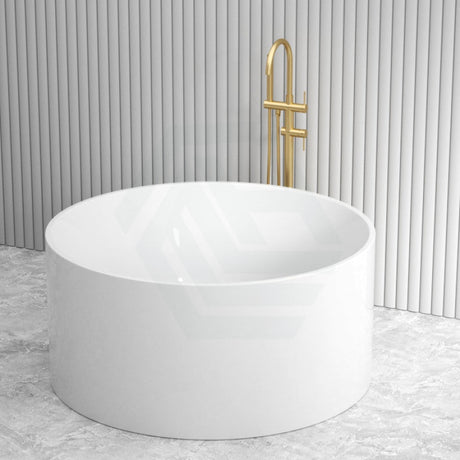
The freestanding bath is the centrepiece of any luxury bathroom design. Deciding on the bath type, its position in the ensuite, and the location of all plumbing rough-ins before floor tiles are laid is a critical part of any new ensuite project. A mid-range marble ensuite renovation of this scope typically takes eight to twelve weeks from demolition to completion. Stand alone bathtubs require a minimum clearance of 200–300mm on all sides from adjacent walls and fixtures. Once the bath is selected, the exact position of the floor waste must be confirmed. For a floor-mounted bath filler, the rough-in should sit 150–200mm from the bath's finished edge — though the precise measurement depends on your chosen filler, so confirm this with a licensed plumber before building work begins.
For those exploring bathtubs Sydney Australia, Broadway offers a range of acrylic freestanding bath options from $878. Acrylic is relatively light at 25–35kg and straightforward to install. Stone resin is heavier at 120–180kg, retains heat well, and feels solid underfoot. Cast iron exceeds 200kg and may require a structural assessment before installation. A freestanding bath set against a fully tiled marble bathroom floor makes a dramatic statement, so all weight and structural considerations must be addressed before work commences.

Bringing It All Together: Layout and Finishing Details
All luxury bathroom ideas must be designed around a layout that will perform for the long term. An ensuite accommodating a freestanding bath and a separate shower should be a minimum of 3.0m × 2.4m to avoid feeling cramped. Keeping wet areas (shower screens and floor wastes) separate from dry areas (around the vanity and freestanding bath) will protect the marble over time. All tile edges, fixture junctions, and floor transitions must be sealed with silicone to prevent moisture ingress.
Tapware finish shapes the overall feel of the room. Brushed brass suits light marbles such as Calacatta or Statuario; matte black pairs well with Nero Marquina; chrome works with any marble bathroom palette and remains timeless. Meir offers premium tapware across brushed brass, matte black, and chrome finishes, while Fienza provides a broader range at a lower price point. Match grout colour to your marble — light white or grey grout with pale stone, dark charcoal with dark marble — for a cohesive result across the entire floor and walls. Finally, ensure adequate ventilation: a windowless ensuite must have an exhaust fan with a minimum extract rate of 25 L/s (NCC 2022, ABCB Housing Provisions, Part 10.8) to protect the marble and substrate from long-term moisture damage.
References
National Construction Code 2022, ABCB Housing Provisions, Part 10.2 Wet Areas
AS 3740:2021 Waterproofing of Domestic Wet Areas, Standards Australia
AS/NZS 3000:2018 Electrical Installations (Wiring Rules), Standards Australia
National Construction Code 2022, ABCB Housing Provisions, Part 10.8 Condensation Management