15 April, 2026
Bathroom Design Ideas: Trends, Colours and Styles for Australian Homes
Bathroom design ideas for Australian homes: 2026 trends, warm neutral colours, minimalist to luxury styles, fixture upgrades and timeless material choices to create a spa-like retreat.

Current Bathroom Design Trends for Australian Homes
Bathrooms change quite a lot every few years, from what is in the magazines and the showrooms. This time, the focus is on calm, spa-like simplicity—clean, straight lines, soft colours, and natural-looking materials with a warmth to them. I have seen this firsthand on display home projects over the last year, and the shift toward bathroom design ideas that prioritise function alongside aesthetics is unmistakable.
Warm neutral colours are in now instead of the cool greys of the past decade. Terracotta splashes of colour, timber vanities and warm-toned stone tiles appear everywhere from cheaper display homes to the most opulent builds. There are now also a lot of statement pieces being installed; this is usually in the form of a bold coloured tapware set or sculptural freestanding bathtub, both of which give the space some visual interest without over-decorating it.
Biophilic design continues to grow—indoor plants, plenty of natural light and finishes that include the natural world, like raw stone, untreated timber and exposed concrete. The important point here is that these trends shift every three to five years, so the practical approach is to invest in timeless permanent elements and use trend-forward accents that can be updated affordably.

Colour Selection: Understanding Psychology and Practicality
Choosing bathroom colour ideas well means knowing how colour behaves in the specific conditions of a bathroom. Lighting matters enormously—a colour that looks warm under showroom downlights can read entirely different under the cool fluorescent tube many older bathrooms still use.
White bathroom ideas remain popular for good reason: white brightens small spaces, creates a sense of cleanliness, and pairs with anything. The practical trade-off is maintenance—white surfaces show soap residue, water marks, and every scuff. In a busy family bathroom, that means more frequent cleaning.
Grey bathroom ideas offer a middle ground. Grey hides marks better than white, reads as sophisticated without dating quickly, and works across warm and cool lighting. The risk is going too dark in a small footprint, where grey can make the room feel compressed. My recommendation is to test colour samples in the actual room with the actual lighting before committing.
Green and warm terracotta tones are the emerging palette. Green is calming and spa-like, particularly in sage and eucalyptus shades. Cost-wise, paint is the cheapest update ($300 to $600 including labour), while changing tile colour requires a renovation ($2,000 to $5,000 or more).

Minimalist, Transitional and Luxury Styles: Which Suits Your Home?
Three bathroom design ideas categories cover most Australian renovation approaches.
Minimalist bathrooms strip back to essentials: clean lines, muted palettes, functional fixtures, nothing decorative. Renovation cost typically sits between $8,000 and $15,000. This style ages well because there is nothing trend-dependent to date. It suits tight budgets and compact rooms where every element needs to earn its place.
Transitional style blends classic and contemporary—warm neutrals, mixed materials (timber with stone, matte with gloss), and layered textures. At $12,000 to $25,000, it is the most versatile approach and suits most Australian homes. The blend means individual elements can be updated without a full renovation.
Luxury bathrooms use premium materials, statement fixtures, and layered finishes. Budget starts at $25,000 and extends well beyond $50,000 for high-end projects. Natural stone cladding ($80 to $150 per square metre), designer tapware ($600 to $1,500), and custom joinery define this tier. Maintenance is higher—natural stone requires annual sealing, premium finishes need careful cleaning products.

How to Elevate Your Bathroom Through Fixture and Material Choices
Fixtures say more about the quality of a room than almost anything else. For a recent job I swapped out standard builder tapware ($200 to $400) for a quality designer set ($600 to $1,500), and the whole bathroom looked different without changing any tiles or the layout.
Rainfall showerheads ($400 to $1,200) versus standard heads ($100 to $200) create a visible difference in daily experience. Natural stone cladding ($80 to $150 per square metre) versus ceramic tile ($40 to $80 per square metre) shifts the perceived value of the room significantly.
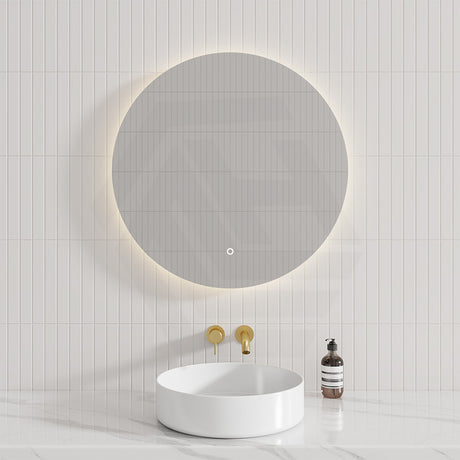
Smart budget allocation matters. I advise clients to direct roughly 40% of their budget toward essential quality fixtures and materials, 30% toward accents (lighting, mirrors, accessories), and 30% toward labour and contingency. A quality spa with bathtub becomes the room's anchor—it is the element people notice first and remember longest.

Sustainable Design: Long-Term Style Without Trend Chasing
A smart move is to choose elements which are still beautiful to look at a decade from now. Materials which age well—natural stone developing patina over time, quality concrete deepening in colour, ceramic tiles proving their durability decade after decade—save money and resources compared to trend-dependent choices that require replacement.
Timber vanities age really nicely if sealed well. Free standing bathtubs in quality acrylic or stone composite last twenty years or more, making a $3,000 bath tub more cost-effective over time than a $1,200 unit replaced every decade.
Stay away from high-gloss finishes that get dated a couple of years later and pure white materials that need constant maintenance. The best bathroom design ideas share this foundation: neutral tile colours, classic fixture styles, and quality materials that form a base that only needs low-cost updates—new paint ($300 to $600), a different mirror, updated lighting—to feel refreshed rather than renovated.